The Homeowner’s Guide to Structural Roof Repairs
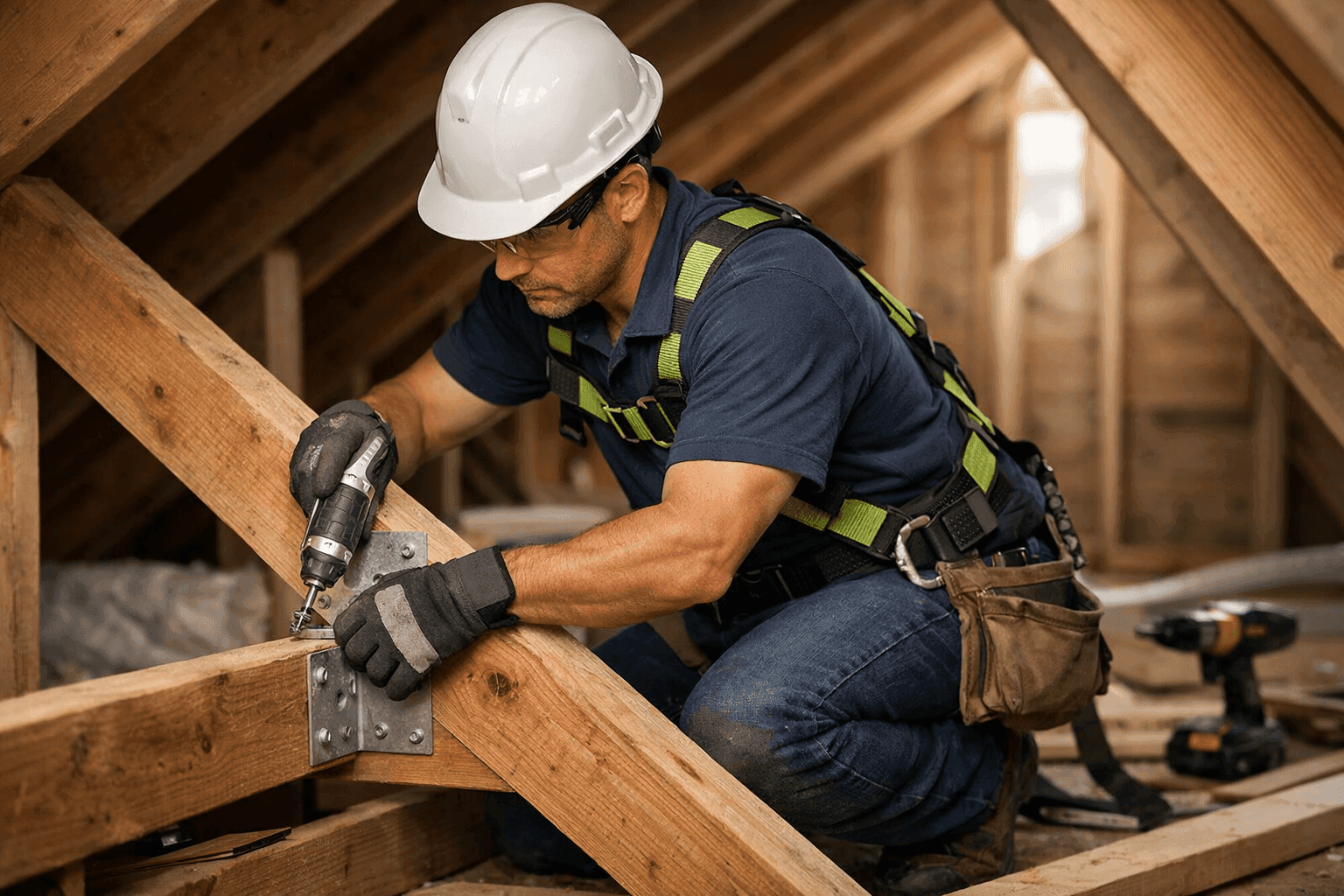
When it comes to your home, the roof is more than just shingles over your head—it's the backbone that keeps everything safe and dry. If you’re worried about sagging, cracks, or leaks, you’re not alone. Structural roof issues can sneak up fast, putting your family and investment at risk.
At Overhead Roofing, we know the stress that comes with roof uncertainty. You want honest answers, not scare tactics. Let’s break down what you need to know, so you can protect your home with confidence.
What Is a Structural Roof Repair? 🛠️
Structural roof repair goes deeper than patching a leak or swapping out shingles. Imagine your roof as a shield, with the beams and decking as the bones holding it all together. When these bones weaken—due to rot, heavy storms, or aging—the entire structure is at stake.
This kind of repair involves:
- Reinforcing or replacing damaged rafters, trusses, or decking (see our Decking service)
- Addressing problems that compromise the roof’s ability to bear weight
- Ensuring everything meets modern building codes and safety guidelines (check with your local building authority or the International Residential Code for details)
It’s not a quick fix. It’s about restoring the integrity of the whole house.
Warning Signs of Structural Issues
Your roof rarely shouts for help. More often, it whispers. Watch for these red flags:
- Sagging or uneven roof lines
- Cracks or bulges in the ceiling or walls, especially near the attic
- Doors or windows suddenly sticking or refusing to close
- Water stains or active leaks after rain
- Unusual creaking or popping sounds overhead
Don’t ignore these hints. Even small clues can point to big problems under the surface.
How Pros Diagnose and Fix Structural Damage
Diagnosing structural roof problems is part detective work, part construction know-how. Here’s how the process typically unfolds:
- Thorough Inspection: Trained roofing specialists will check the attic, decking, beams, and exterior. They’ll look for signs of rot, insect damage, or shifting supports.
- Load Calculations: Professionals assess whether your roof can still safely bear weight—especially after storms, snow, or renovations.
- Moisture Detection: Using specialized tools, pros trace water intrusion to its source.
- Repair Plan: Based on findings, the team may recommend reinforcing supports, replacing damaged sections, or rebuilding entire portions of the frame.
- Safety Compliance: All work follows OSHA and local code requirements to make sure your home is safe for the long haul.
Remember: Structural roof repairs are not a DIY project. The risks are too high. Leave this work to a qualified roofing company.
Quick Safety Checklist for Homeowners
Before anyone climbs up or pokes around, check these boxes:
- Stay off the roof and attic if you see major sagging or cracks
- Move valuables away from areas with water stains or leaks
- Don’t attempt to prop up beams or make temporary fixes yourself
- If you notice electrical hazards (wet wires, exposed panels), contact a licensed electrician immediately
Your safety always comes first.
The Dangers of DIY When It Comes to Structure
Fixing a few shingles? That’s one thing. But when the bones of your roof are involved, DIY can turn a small problem into a catastrophe.
- You risk personal injury. Collapsing beams or rotten decking can give way suddenly.
- Temporary patches can hide deeper damage, making future repairs even more expensive.
- Insurance claims may be denied if improper repairs are discovered.
For real peace of mind, always involve professional structural repair experts.
What Roofing Pros Do on Arrival
When Overhead Roofing arrives, we:
- Inspect your roof from top to bottom, inside and out
- Use moisture meters, drones, and hands-on experience to spot every issue
- Walk you through findings with clear explanations, not technical jargon
- Prioritize urgent repairs and develop a plan that fits your home’s needs
You get straight answers and a clear path forward.
When Is Structural Damage an Emergency?
Some roof problems demand immediate action. Call in the pros right away if:
- You see visible sagging or bowing in the roofline
- Water is pouring in during storms
- Structural members (beams, rafters, trusses) are visibly broken or separated
- Large sections of ceiling or wall have collapsed
Time is critical—delaying only makes things worse.
Costs, Timeframes, and What to Expect
Structural roof repairs can range from replacing a few boards to rebuilding entire sections. Costs and timelines depend on:
- The extent of the damage
- Materials needed (wood, metal supports, decking)
- Accessibility and roof type (flat roofs, tile, shingle, etc.)
- Local building codes and permit requirements
A small repair might take a day or two; major work could take a week or more. Your roofing contractor should provide a detailed scope before work begins.
Seasonal and Weather Considerations
Winter storms, heavy snow, or hurricane winds can put extra stress on your roof. After big weather events, inspect for fresh leaks, new cracks, or shifting roof lines.
Spring and fall are great times for professional inspections—before problems grow.
Preventing Structural Problems
A little maintenance goes a long way. Here’s how you can help your roof stand strong:
- Keep gutters and downspouts clear to avoid water buildup
- Trim overhanging branches that can crash onto your roof
- Schedule regular inspections by a professional roofing company—ideally once a year
- Address minor leaks and wear promptly (Roof Repair)
The International Association of Certified Home Inspectors recommends an annual roof check for all residential homes.
Common Mistakes Homeowners Make
Even the most diligent homeowners slip up sometimes. Here’s what to avoid:
- Ignoring small leaks or water stains
- Delaying repairs to save money (minor damage doesn’t get better with time)
- Using unlicensed or uninsured contractors for major work
- Covering up ceiling stains without fixing the source
Knowledge is your best defense.
How Structural Repairs Impact Your Home’s Value
A solid, well-maintained roof protects not just your family, but your investment. Structural repairs safeguard the value of your property and make future home sales much smoother.
Buyers and inspectors look closely at the roof—don’t give them a reason to worry.
Frequently Asked Questions About Structural Roof Repairs
How do I know if my roof’s structure is compromised?
Look for warning signs like sagging, cracks, leaks, or shifting doors/windows. When in doubt, book a professional inspection.
Will insurance cover structural roof repairs?
It depends on your policy and the cause of the damage. Most insurers cover sudden events (storms, tree impacts) but not long-term neglect. Always check your homeowner’s policy or talk to your agent.
Is structural roof repair the same as roof replacement?
Not always. Structural repairs target the bones of the roof, while replacement usually covers the outer layers (shingles, tiles, etc.). Sometimes, both are done together if damage is extensive.
Can I stay in my home during repairs?
For most repairs, yes. In rare cases of major reconstruction, temporary relocation may be safer. Your contractor will advise based on your specific situation.
The Role of Decking in Structural Repairs
Decking acts as the foundation for your shingles or tiles. If it’s damaged by rot or water, it weakens the whole system. Pros will often replace or reinforce decking as part of structural repairs—restoring both strength and weather protection.
Curious about Decking? See more details on our Decking services.
Timeline & Disruption: What to Expect
Structural repairs can be noisy and involve crews working both inside and outside your home. Expect some dust and movement. Reputable teams will keep you informed, protect your belongings, and minimize hassle.
A clear schedule and good communication help keep the process smooth.
Why Choose Overhead Roofing for Structural Repairs?
With years of hands-on experience, a focus on safety, and a full suite of residential roofing services, we’re here when you need us most. Whether you need structural repair, Roof Repair, or routine maintenance, we’ve got the tools—and the team—to help.
If you’re looking for dedicated roofing specialists in your area, Overhead Roofing serves homeowners who care about protecting what matters most. For those in Oak Forest, our roofing services offer a reliable solution close to home.
No roof problem gets better on its own. If you spot any of the signs above, don’t wait. Call Overhead Roofing now — or reach us anytime at 855-554-4704 .