The Homeowner’s Guide to Roof Cap Services
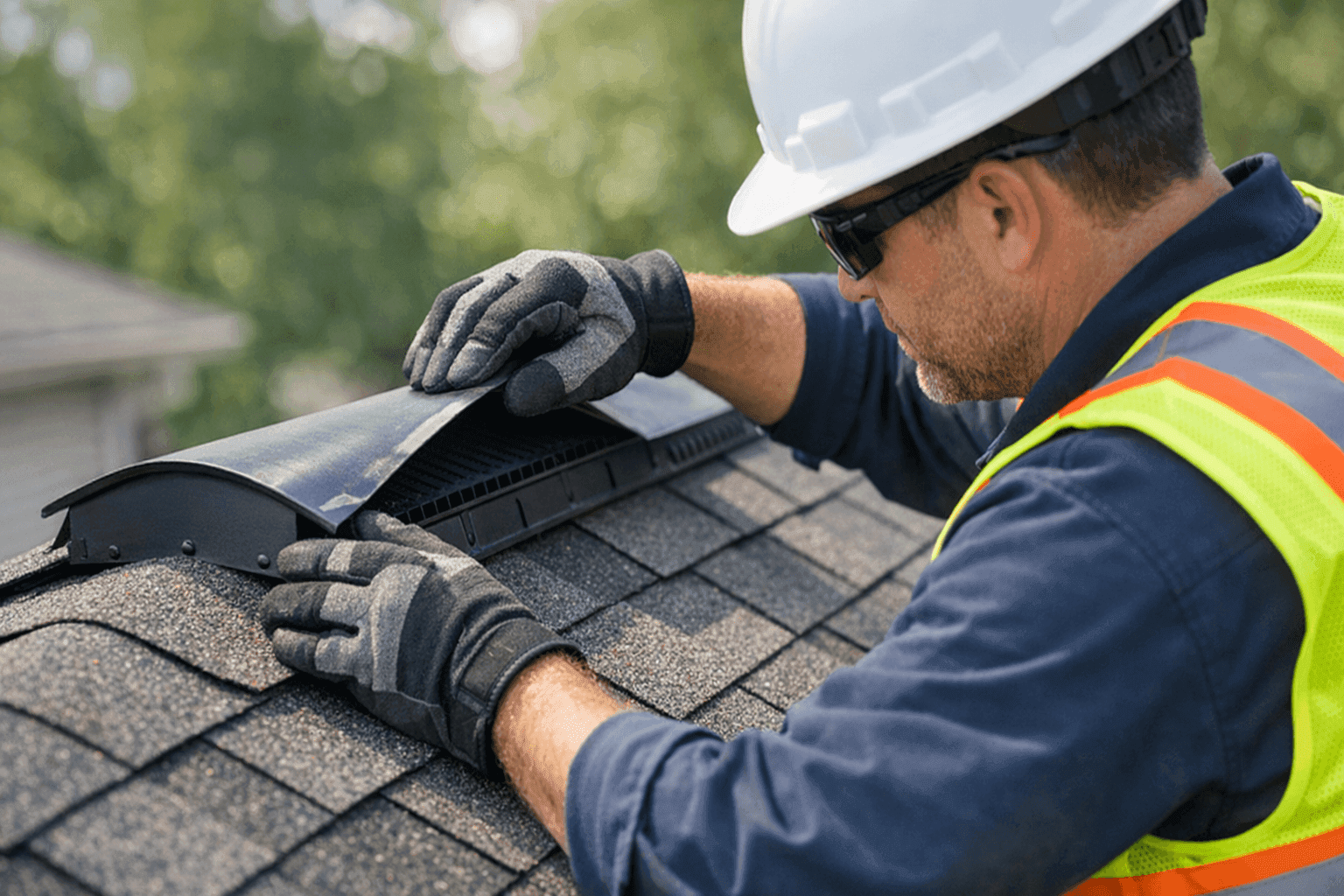
Owning a home means keeping a watchful eye on what protects you most—your roof. It’s easy to forget about roof caps, but these small pieces play a giant role in your home’s safety. A damaged or missing roof cap can lead to leaks, mold, ruined insulation, and costly repairs. If you want to keep your home dry, comfortable, and energy efficient, understanding roof cap services is a must.
At Overhead Roofing, we’ve spent years helping families patch leaks, boost ventilation, and restore peace of mind. Let’s break down what roof caps do, why they matter, and how to spot trouble before it grows.
What Are Roof Caps? 🏠
Roof caps are the unsung heroes at the peak of your home. Picture the crown on a castle—roof caps sit at the highest point, sealing the joint where two slopes meet. Their job? Keep water, wind, pests, and debris out. At the same time, they let your attic breathe by providing crucial ventilation.
You’ll often hear them called ridge caps, vent caps, or even roof crownings, but they all serve the same purpose: protection and airflow. Without a secure cap, your roof becomes vulnerable to leaks and moisture buildup. Over time, that can weaken your entire roofing system.
Why Roof Caps Matter for Your Home
Think of your roof cap as the final puzzle piece. Without it, your roof’s armor has a gap. Water can find its way inside, leading to soggy insulation, wood rot, and even structural damage. But roof caps do more than keep out rain—they help your attic exchange air, reducing heat and humidity.
Good ventilation fights off mold, keeps energy bills in check, and extends the life of your roof. According to the International Residential Code (IRC), proper ventilation is required for all attics and roof spaces. That’s why roof cap services go hand in hand with Ventilation & Insulation.
Common Roof Cap Problems
Even the toughest roof caps can run into trouble. Here are the problems homeowners see most:
- Cracked or broken caps: Hail, wind, or falling branches can snap them.
- Missing caps: Sometimes, caps blow off in a storm and vanish.
- Loose nails or fasteners: Over time, hardware can wiggle free, letting water sneak in.
- Improper installation: If caps aren’t fitted right, they’ll never keep out the weather.
- Rust and corrosion: On metal caps, moisture can eat away at the protection.
Small issues can snowball. A single damaged cap can let in a surprising amount of water.
Signs Your Roof Cap Needs Work 👀
Spotting trouble early saves you money and stress. Here’s what to watch for:
- Water stains on your ceiling—especially after rain.
- Musty odors in the attic, signaling moisture.
- Visible gaps at the roof’s peak or along ridges.
- Curled, cracked, or missing shingles near the ridge.
- Unusual attic temperatures—too hot or cold.
- Whistling or drafty sounds during windy days.
If something feels off, trust your instincts. Sometimes, the smallest leak is the loudest alarm.
How Roof Cap Issues Impact Ventilation
A blocked or broken roof cap can choke your attic. Without airflow, heat and moisture build up like steam in a kettle. That can:
- Warp your roof deck.
- Shorten the life of insulation.
- Encourage mold and mildew.
- Make your cooling and heating systems work overtime.
Effective roofing services often start with a careful look at attic ventilation and roof cap health.
Repairing and Replacing Roof Caps
Not every problem means you need a new roof. Sometimes, a professional repair does the trick. Here’s how Overhead Roofing approaches it:
Inspection
We start by checking every inch of your ridge and roof cap. We look for missing, cracked, loose, or rusty pieces. Tools like moisture meters and thermal cameras help us uncover hidden leaks.
Materials Matter
Roof caps come in several types, from asphalt shingles to metal to clay tile—each works best with a matching roof. Proper materials ensure a tight seal and seamless look.
Professional Repair
- Small cracks or loose caps: We secure or replace damaged pieces and seal the area against future leaks.
- Widespread damage: Sometimes, an entire section needs new caps. We match materials and colors for a flawless finish.
- Ventilation checks: We clear blockages and confirm caps allow free airflow—crucial for attic health.
Replacement Steps
- Remove old or damaged caps carefully.
- Inspect the underlying ridge for rot or mold.
- Install new caps using approved fasteners and sealants.
- Test for proper fit and ventilation.
We follow local building codes and manufacturer guidelines every step of the way.
DIY vs. Professional Roof Cap Repair
Handy homeowners might be tempted to tackle roof cap repairs. For single-story homes and minor issues, some repairs are possible. But remember:
- Roof work is risky—falls are a leading cause of homeowner injuries (CDC).
- Improper repairs can void warranties or cause bigger problems.
- Special tools and materials are often needed.
When in doubt, call a professional. Overhead Roofing’s team is trained and insured for safe, effective repairs.
Quick Safety Checklist Before Climbing
- Never work on a wet or icy roof.
- Use a sturdy, well-placed ladder.
- Wear non-slip shoes and a harness.
- Avoid working alone.
- Watch for power lines and overhead hazards.
For most homeowners, safety is the best reason to leave roof cap work to the pros.
When Is Roof Cap Damage an Emergency? ⚠️
Some situations can’t wait:
- Water dripping inside during a storm.
- A visible gap after high winds or a fallen branch.
- A missing cap with exposed wood or insulation.
- Rapidly spreading stains on ceilings or walls.
Emergency roof repair can prevent thousands in further damage.
Seasonal Considerations for Roof Caps
Spring storms and winter ice can batter roof caps. It’s smart to:
- Inspect after major storms.
- Check caps before winter to avoid ice dam leakage.
- Clear debris and moss that might block airflow.
A quick seasonal checkup keeps surprises away.
Timeline and Disruption: What to Expect
Most roof cap repairs take less than a day. For full replacements, expect a bit more noise and movement around your home. Our crews at Overhead Roofing work efficiently and tidy up thoroughly.
Costs & Time Factors
The cost depends on:
- The number of caps to repair or replace.
- Material type (shingle, metal, tile).
- Roof pitch and height.
- Accessibility and labor time.
Small repairs are usually affordable. Ignoring a problem? That can lead to costly water damage down the road.
Preventative Maintenance Tips
- Schedule annual roof inspections.
- Clear leaves and debris from the roof ridge.
- Watch for animal nests near caps.
- Look for shingle wear, especially near ridges.
- Call for help at the first sign of trouble.
Routine cap services catch small problems before they grow.
Common Mistakes Homeowners Make
- Ignoring small leaks or stains.
- Trying to patch with the wrong materials.
- Overlooking nearby shingle or flashing issues.
- Skipping regular inspections.
A little attention goes a long way when it comes to roof cap health.
Frequently Asked Questions
Q: How long do roof caps last?
A: With quality materials and proper installation, asphalt or metal caps can last 20–30 years. Tile or specialty caps may last even longer.
Q: Are roof caps required by code?
A: Yes. Most building codes (like the IRC) require sealed, ventilated ridges on residential roofs.
Q: What if I have a flat roof?
A: Flat roofs use different venting and cap solutions, but the principle is the same—keep water and weather out, let air flow.
Q: Can damaged roof caps cause mold?
A: Absolutely. Moisture from leaks is a leading cause of attic mold.
The Bottom Line
Roof caps might seem small, but they’re vital to your home’s health, efficiency, and longevity. If you notice leaks, weird smells, or missing pieces at your roof’s peak, don’t wait. Call in the professionals, and keep your home protected from the top down.
Call Overhead Roofing now — or reach us anytime at 855-554-4704 .