The Homeowner’s Guide to Metal Roofing Options
You look at your home and realize something: the roof is more than shelter. It's peace of mind. It's protection from storms and sun. And, if you’re thinking ahead, it’s also about picking the right material—one that lasts and fits your budget.
Metal roofing isn’t just for factories or barns anymore. Homeowners from all walks of life are choosing metal roofs for their durability, style, and efficiency. But the choices can feel dizzying. Steel, aluminum, copper—where do you start? Overhead Roofing is here to break it all down, so you can make the best decision for your home and family.
Types of Metal Roofing (Steel, Aluminum, Copper) 🏡
Not all metal roofs are the same. Think of them like the different gears on a bike—each suited for a specific ride.
Steel
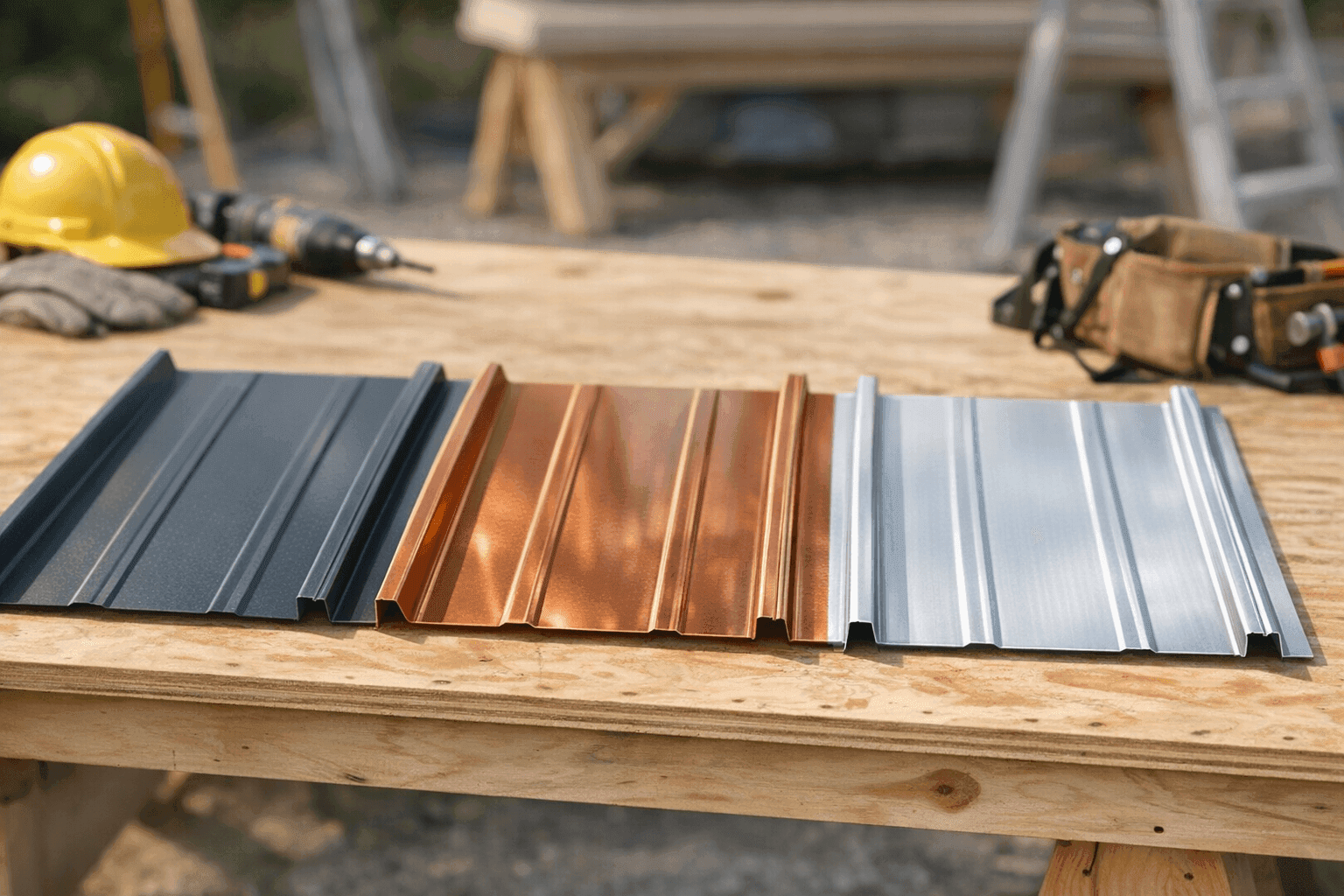
Steel roofs are the workhorses of the bunch. Strong, reliable, and often coated with zinc (galvanized) or an aluminum-zinc blend (Galvalume®) for rust protection. Steel comes in lots of colors and profiles—corrugated panels for a classic look, or standing seam for a sleek finish.
Aluminum
If you live near the coast or in a rainy climate, aluminum might be your best bet. It naturally resists rust and is lightweight, so it’s gentler on your home’s structure. Aluminum is often used for architectural styles or areas with salty air.
Copper
Copper is the showstopper. It weathers to a beautiful blue-green patina over time and can last over a century. It’s also the most expensive, usually reserved for accents or historic homes.
Other Metal Options
Zinc and tin have their fans, but steel, aluminum, and copper cover nearly all residential needs. When in doubt, ask your contractor how each option stands up to your local weather and building codes.
Pros and Cons of Metal Roofs
Every roofing option is a trade-off. Here’s what you need to weigh:
Pros:
- Longevity: Metal roofs often last 40–70 years. That’s two or three times longer than asphalt shingles.
- Toughness: They shrug off hail, wind, and fire better than many other materials.
- Energy Efficiency: Metal reflects sunlight, so your attic stays cooler during summer.
- Low Maintenance: No curling, cracking, or rotting. Just the occasional inspection and cleaning.
- Sustainability: Many contain recycled content and are fully recyclable at end of life.
Cons:
- Upfront Cost: Installation costs more than basic shingles. But replacement cycles are much longer.
- Noise: Rain sounds louder on metal—some love it, others don’t. Insulation helps.
- Denting: Hail or falling branches can leave a mark, especially on softer metals like aluminum.
- Color Match: If you ever need repairs, matching the original color or finish can be tricky.
Metal roofs are like a trusty pair of boots. They’re tough, built to last, but they do cost more at first.
Installation Considerations
Installing a metal roof isn’t a weekend DIY project. It takes skill, specialized tools, and an understanding of safety codes like the International Residential Code (IRC) and OSHA guidelines.
What’s involved?
- Deck Prep: The roof deck must be flat, solid, and free of rot. Sometimes, an underlayment or insulation layer is added for extra protection.
- Panel Alignment: Each panel must be placed squarely, with fasteners and seams sealed tightly to avoid leaks.
- Flashing: This is the metal trim at edges, valleys, and around chimneys or skylights. Done wrong, and water finds its way in.
- Ventilation: A well-ventilated attic prevents heat and moisture buildup, adding years to your roof’s life.
- Permitting: Many towns require a permit and inspection, so check with your local building department before work starts.
A reputable roofing contractor makes all the difference. They’ll explain your options, follow regulations, and ensure quality every step.
Maintenance and Longevity
Metal roofs are famously low-maintenance, but they’re not “set it and forget it.” Here’s how to keep yours at its best:
- Annual Inspection: Check for loose fasteners, lifted panels, or rust spots, especially after storms.
- Gutter Cleaning: Clogged gutters can lead to water backup and corrosion at the eaves.
- Remove Debris: Twigs and leaves trap moisture. A soft broom or leaf blower does the trick.
- Touch-Up Paint: For scratches or chips, use manufacturer-approved paint to prevent rust.
- Sealants: Over time, the sealant around vents and flashing may need refreshing.
A well-cared-for metal roof can last upwards of 50 years. Some copper and zinc roofs have protected homes for over a century!
Comparing Metal Roofing to Other Options
Maybe you’re also considering Tile Roofing near you or traditional asphalt shingles. Here’s how metal stacks up:
- Weight: Metal is lighter than tile, putting less strain on your structure.
- Lifespan: Asphalt may last 20 years. Tile and metal can double or triple that.
- Wind Resistance: Metal panels lock together tightly, resisting uplift even in storms.
- Fire Resistance: Metal doesn’t burn, making it a smart choice in wildfire-prone areas.
How to Choose the Right Metal Roof for Your Home
Ask yourself:
- What’s my budget?
- Is my area prone to extreme weather?
- Do I want a bold look or something that blends in?
- How important is sustainability?
Overhead Roofing can help you compare the options, factoring in both style and substance. Want a greener home? See our Eco-Friendly Options.
Real-World Costs & Time Factors
Sticker shock is real. Metal roofing costs more up front than asphalt or some tile roofs. But break it down over decades, and the value is clear.
- Material costs: Steel is often the most affordable, copper the highest.
- Installation: Labor is specialized, so expect higher costs (but fewer repairs down the road).
- Timeline: Most installations take 1–2 weeks, depending on home size and weather.
Ask for a detailed written estimate. It should cover materials, labor, permits, and disposal of your old roof if you’re doing a Roof Replacement.
Quick Safety Checklist for Homeowners
Before your project starts:
- Make sure your contractor is licensed and insured.
- Ask about safety protocols (harnesses, fall protection).
- Plan where kids and pets will be during installation.
- Move cars and patio furniture away from the work area.
Safety first. Always.
When It’s an Emergency
Storms blow in. Branches fall. If your metal roof is leaking or damaged, call in the pros right away. Emergency roofing services can tarp the area and prevent further water damage.
Don’t climb up or try patching it yourself in bad weather—leave that to trained professionals.
Signs of Trouble: When to Call Overhead Roofing
Metal roofs are tough but not invincible. Look out for:
- Dripping water or stains inside your attic
- Loose panels or flashing
- Rust around fasteners or seams
- Unexplained spikes in your energy bill
Spot these early and you’ll save money—and headaches—down the line.
Common Mistakes to Avoid
- Skipping Permits: It can mean fines or trouble selling your house.
- Ignoring Ventilation: Without it, you risk mold and heat damage.
- DIY Overreach: Metal roofing needs special tools and know-how.
- Choosing the Wrong Material: Not all metals suit every climate or roof style.
A little planning now saves a lot of regret later.
DIY vs. Call a Pro
Cleaning gutters or touching up paint is homeowner-friendly. But for installation, repairs, or anything involving roof structure—bring in the pros. Metal roofing panels are heavy, sharp, and require precision.
Overhead Roofing technicians follow manufacturer guidelines and building codes, ensuring safety and top performance.
What to Expect: Timeline & Disruption
Replacing your roof is a big project. Here’s what it usually looks like:
- Day 1–2: Old roof removal, deck inspection.
- Days 3–7: Installation of underlayment, panels, and flashing.
- Final days: Cleanup, final inspection, and walk-through with your contractor.
Yes, there’s dust and noise. Most families stay in their homes, but sensitive pets or kids may prefer a quieter space.
Frequently Asked Questions
Will metal roofing make my house hotter?
Nope. Most metal roofs reflect solar heat, keeping attics cooler than dark asphalt.
Can I put metal roofing over my old roof?
Sometimes. Building codes allow it under certain conditions, but a proper inspection is a must.
Is a metal roof noisy in rain?
With good attic insulation, most people notice little difference from other roofs.
Will it rust?
Not if you choose the right material and keep up with maintenance.
Why Metal Roofing is a Smart Investment
Think of your roof as your home’s helmet. Metal roofing shields against the worst weather, lasts for decades, and can boost curb appeal. It’s an investment—one that pays off in peace of mind and lower maintenance costs.
Homeowners across the country, including those searching for Metal Roofing in Sunrise Manor, choose Overhead Roofing for reliable roofing services.
Ready to Talk Metal Roofing?
If you’re considering a new roof, or just want honest advice, Overhead Roofing is here to help. We’ll walk you through the options—no pressure, just clear answers.
Call Overhead Roofing now — or reach us anytime at 855-554-4704 .