Gutter Installation Guide: What Homeowners Need to Know
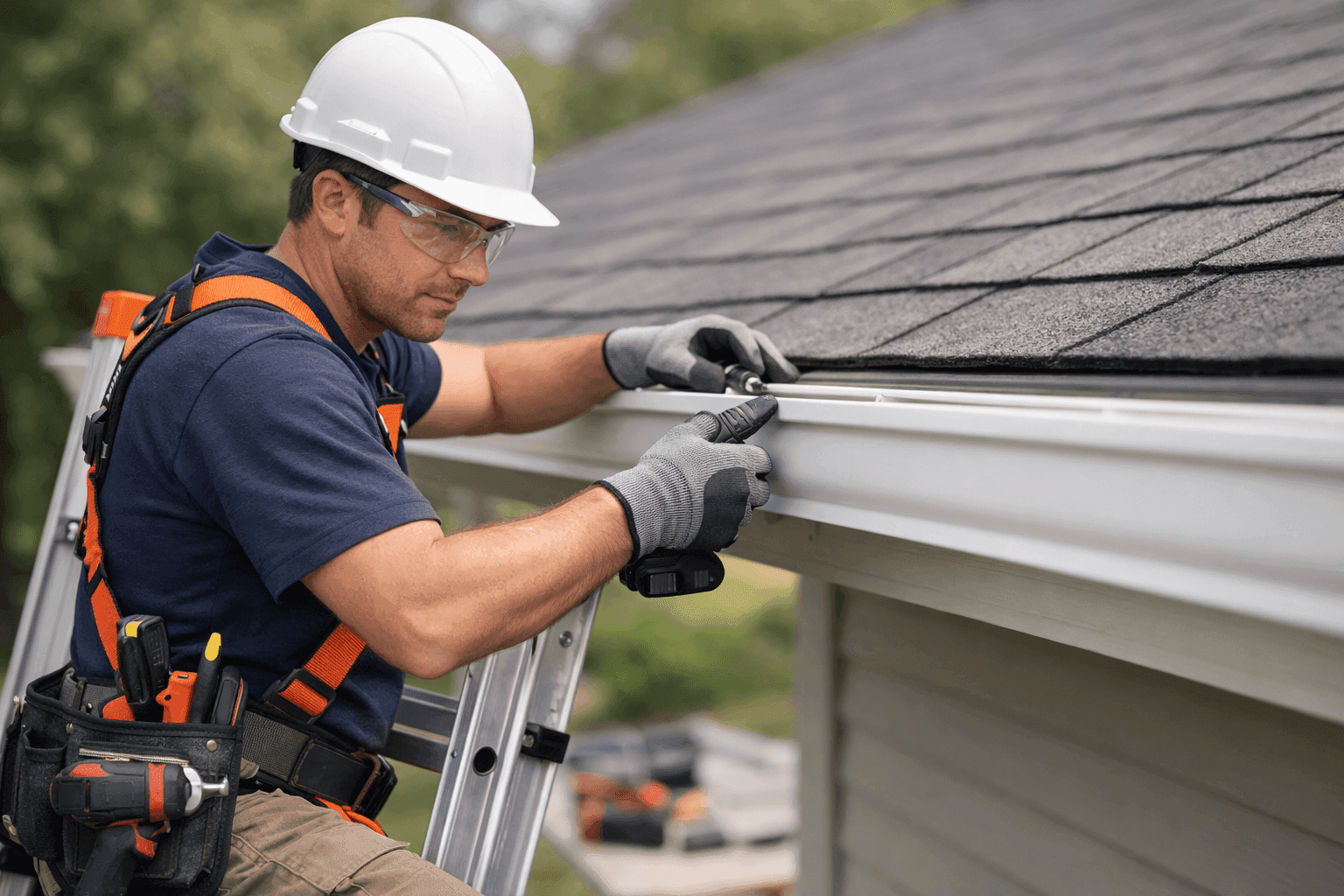
Rain falls, and if your gutters aren’t up to the job, your home can pay the price. Overflow, leaks, and foundation cracks—these are headaches no homeowner wants. At Overhead Roofing, we’ve seen what happens when gutters are ignored or installed poorly. The good news? Understanding your gutter system means you can keep your house safe and dry, year after year.
This guide is written for homeowners who want to make smart, confident decisions about their roofing and gutter needs. Whether you’re planning a new roof, a Gutter Installation, or just want to avoid future repairs, we’ve got you covered.
Why Gutters Matter 🌧️
Think of gutters as your home’s raincoat. Without them, water runs wild—soaking siding, pooling near the foundation, eroding landscaping, and sneaking into basements. A well-installed gutter system channels water safely away, protecting your biggest investment from costly water damage.
- Prevents soil erosion: Gutters stop water from carving trenches around your home.
- Protects siding and brick: Water running down walls can lead to rot, mold, and staining.
- Guards your foundation: Excess water near the base of your home is a recipe for cracks and leaks.
- Reduces basement flooding: Directing water away means a drier, safer basement.
According to the International Association of Certified Home Inspectors (InterNACHI), functioning gutters are one of the most important defenses against water intrusion. A simple system with a big impact.
Types of Gutters
There’s no one-size-fits-all. Gutters come in a range of shapes and materials, each with their own strengths.
- K-Style Gutters: The most popular for residential homes. Their flat backs and decorative front edges blend well with modern architecture.
- Half-Round Gutters: Classic and found on older or historic homes. Their smooth shape makes them less likely to clog but more likely to spill in heavy rain.
- Box Gutters: Larger and often seen in commercial roofing or on bigger homes.
Material Choices
- Aluminum: Lightweight, rustproof, and affordable. It’s the go-to for most homeowners.
- Copper: Beautiful and long-lasting. Over time, it develops a green patina. Pricey, but durable.
- Steel: Strong but can rust if not properly coated.
- Vinyl: Inexpensive and easy to install, but may warp or crack in extreme temperatures.
When choosing, consider your climate, budget, and home’s style. For eco-friendly options, recycled aluminum or steel gutters are gaining popularity.
Gutter Sizing and Placement
Gutters aren’t just stuck to the edge of the roof at random. Sizing and placement are key to performance.
- Size matters: Most homes use 5-inch gutters, but steep roofs or areas with heavy rainfall may need 6-inch or custom solutions.
- Pitch: Gutters must slope slightly (about 1/4 inch per 10 feet) toward the downspout for proper drainage.
- Placement: Gutters should extend slightly beyond the roof edge but not so far they look awkward or are prone to damage.
Downspout Positioning
Downspouts are the exit ramps for rainwater. Place them every 30-40 feet of gutter, and always at the lowest points of your system. Avoid aiming them toward walkways or driveways where water can freeze or pool.
If your home has complex rooflines, you might need additional downspouts or creative routing. That’s where a Downspout Installation professional steps in.
Installation Steps
Installing gutters isn’t just a matter of nailing up a few pieces. Here’s how the process flows:
- Measure: Calculate roof perimeter and determine gutter lengths. Don’t forget to consider corners and joints.
- Choose materials: Select from aluminum, steel, copper, or vinyl based on your needs and local climate.
- Plan pitch and downspout locations: Mark the slope line and key downspout spots.
- Cut and assemble: Cut gutter sections to length. Attach end caps, outlets, and corner pieces.
- Mount brackets: Install gutter hangers every 2 feet for secure support.
- Attach gutters: Secure sections to the fascia board, checking for correct pitch.
- Install downspouts: Connect elbows and pipe, fastening them securely to the wall.
- Seal joints: Apply waterproof sealant at all seams and connections.
- Test: Pour water to check for leaks and proper flow.
Safety comes first. Always use sturdy ladders, work with a partner, and wear gloves. If your home is taller than one story or you’re unsure, it’s best to call in a professional.
Quick Safety Checklist
- Inspect ladders before use.
- Never work alone on high roofs.
- Watch for power lines nearby.
- Wear non-slip shoes and gloves.
- Secure all tools.
For more on ladder and roof safety, review guidelines from the Occupational Safety and Health Administration (OSHA).
DIY vs. Call a Pro
Installing gutters can be a weekend project for the handy homeowner. But mistakes can be costly.
DIY Pros:
- Save on labor costs.
- Immediate schedule.
DIY Cons:
- Risk of improper pitch or leaks.
- Potential for damage to fascia or roofing.
- Safety hazards (especially on tall homes).
Professional Pros:
- Right tools and expertise.
- Faster, cleaner installation.
- Knowledge of local building codes.
At Overhead Roofing, we see many repairs needed after DIY attempts. Sometimes, saving a few dollars upfront means bigger repairs down the line.
What Pros Do On Arrival
When our team arrives, here’s what you can expect:
- Full inspection of current gutters, roofing, and fascia.
- Recommendations for gutter size, material, and placement.
- Precise measurements and custom-fit sections.
- Quick, careful installation with minimal mess.
- Testing and walkthrough to ensure satisfaction.
We’re happy to answer all your questions—even the ones you think are silly. No jargon, just clear advice.
Prevention & Maintenance
A gutter’s job never ends. Leaves, twigs, and even tennis balls can clog your system fast.
Maintenance tips:
- Clean gutters twice a year—spring and fall are best.
- Install gutter guards to keep debris out.
- Check for loose brackets and leaking seams.
- Inspect downspouts for blockages.
Professional Gutter Repair services can address damage and clogs quickly, saving you from bigger headaches.
Costs & Time Factors
Gutter installation costs depend on material, home size, and complexity. Vinyl is cheapest, copper most expensive. Labor is less for single-story homes and straight runs.
- Timeline: Most installations take 1-2 days.
- Budget: Plan for $5-$15 per linear foot, installed.
Upgrades like gutter guards or extra downspouts add to the total but pay off in fewer repairs later.
When It’s an Emergency
If water is pouring over your gutters during rain, or you see sagging, cracks, or detached sections, act fast. Immediate attention can prevent foundation or interior damage.
Storms can cause sudden gutter failures. Emergency repairs are always available, but prevention is cheaper.
Seasonal Considerations
- Spring: Clean out winter debris. Inspect for ice damage.
- Summer: Watch for clogged downspouts from storms.
- Fall: Leaves are the enemy. Clean out early and often.
- Winter: Ice dams can block flow. Install heat cables if needed and keep gutters clear.
Common Mistakes
- Gutters with no pitch (flat) lead to standing water.
- Too few downspouts means overflow.
- Cheap hangers can’t support heavy rain or snow.
- Ignoring small leaks—these only get worse.
Signs of Trouble
- Water stains on siding or fascia.
- Peeling paint near roofline.
- Erosion or puddles near your foundation.
- Gutters pulling away from the house.
Catch these early, and you’ll avoid bigger problems later.
Timeline & Disruption
Worried about mess or noise? Gutter installation is less disruptive than many home projects. Most jobs finish within a day or two, with minimal impact on your daily life. We clean up thoroughly, leaving your home looking better than when we arrived.
Materials & Equipment
- Gutters (aluminum, steel, copper, or vinyl)
- Downspouts and elbows
- Gutter hangers and brackets
- Sealant
- Screws and fasteners
- Ladder, safety gear, measuring tape
No fancy gadgets, just the right tools and know-how.
FAQ
How do I know what gutter size I need?
Most homes use 5-inch, but homes with large or steep roofs may need 6-inch. A professional can calculate this based on your roof’s surface area and pitch.
Do I need gutter guards?
If you have trees nearby, yes—gutter guards can save you time and money. They’re not foolproof, but they help.
Can gutters match my home’s color?
Absolutely. Aluminum and vinyl gutters come in dozens of colors. Copper gutters stand out naturally.
How often should I clean my gutters?
Twice a year is the rule of thumb, but more often if you have pine or oak trees overhead.
What if I see water pooling at my foundation?
Check downspouts first. Extensions may be needed to direct water farther from your house.
Local Help for Roofing and Gutters
If you’re looking for roofing services or Gutter Repair in your area, our team at Overhead Roofing is ready to help. We offer reliable, professional gutter solutions in many neighborhoods—including roofing services in New London.
Protect your home from the top down. Call Overhead Roofing now — or reach us anytime at 855-554-4704 .