Gutter Guards: Do They Really Prevent Clogs?
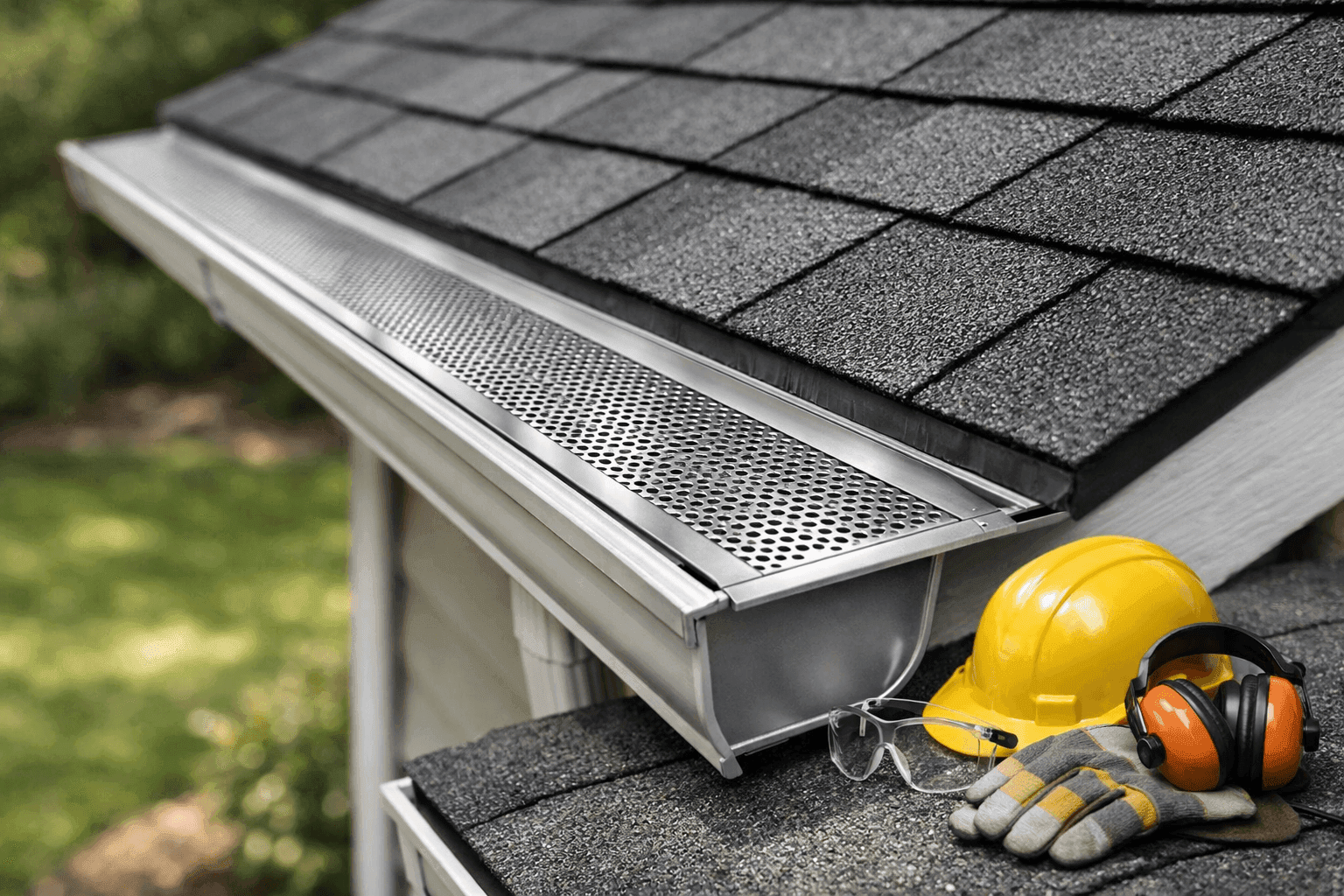
Most homeowners know the headache of clogged gutters. Overflow after a summer thunderstorm. Icicles in winter, heavy enough to warp your downspouts. Sometimes, it feels like leaves and debris have declared war on your home.
At Overhead Roofing, we've seen firsthand how small gutter problems can lead to big headaches. The right solution can protect your roof, your siding, and even your foundation. But is it as simple as installing gutter guards? Let’s break it down.
What Are Gutter Guards? 🛡️
Think of gutter guards as a shield for your gutters. They’re barriers—screens, mesh, foam, or even solid covers—designed to let water in, but keep most debris out. Their job? Reduce the number of times you have to climb a ladder with a scoop in hand.
You’ll find several types on the market:
- Screen guards: Metal or plastic, they keep out large debris.
- Mesh guards: Finer holes block smaller bits like pine needles.
- Foam inserts: Sit inside the gutter, filtering water through.
- Reverse curve (surface tension): Water clings and flows in, leaves slide off.
Each has its strengths, and some work better than others depending on your tree cover, local weather, and gutter style.
How Gutter Guards Prevent Clogs
Imagine your gutters as the city’s storm drains. When they’re blocked, water backs up, spills over, and can even seep under your shingles. Gutter guards work like a bouncer at a club—letting in only what’s supposed to enter.
They:
- Catch leaves, twigs, and seed pods before they enter your gutter.
- Help prevent birds and small animals from nesting.
- Reduce standing water that can attract mosquitoes.
But are they foolproof? Not exactly. Very fine debris—think shingle grit or pine needles—can still find its way through. And, over time, even the best guards need a little care.
Pros and Cons: The Realities of Gutter Guards
Pros
- Less frequent cleaning: Most homeowners spend less time scooping sludge.
- Protects your roof: Prevents water overflow, which can damage fascia and soffits.
- Prevents ice dams: By letting water flow, guards help reduce winter ice buildup.
- Longer gutter lifespan: Less standing debris means less rust and corrosion.
Cons
- Not maintenance-free: Some debris will still pile up—especially on top of the guards.
- Upfront cost: Quality guards and installation can add up.
- May need professional install: Some systems are tricky or require custom fitting.
- Potential for water overshoot: In heavy downpours, some designs can let water shoot over the gutter.
So, do they really prevent clogs? For most homes, they dramatically reduce clogs—but don’t expect miracles.
When to Install Gutter Guards
Timing matters. The best time to install gutter guards is when your gutters are freshly cleaned—early spring or late fall, before leaves start to drop. If you’re already planning a Gutter Installation, consider adding guards at the same time for a seamless fit.
New construction? It’s easier to build them in from day one. Older homes? A professional inspection can reveal if your gutters need repairs or upgrades first.
The Problem: Why Clogged Gutters Are a Big Deal
Clogged gutters aren’t just annoying. They’re a silent threat to your home:
- Water spills can erode your landscaping.
- Overflow can rot fascia boards.
- Backed-up gutters can lead to basement leaks and foundation cracks.
- Standing water is a mosquito’s paradise.
Ignoring gutter problems can quickly snowball into costly repairs. A little prevention goes a long way.
Quick Safety Checklist for Gutter Maintenance
Before you clean or inspect your gutters, check these safety basics:
- Use a sturdy, well-balanced ladder.
- Wear gloves—rust, sharp metal, and critters hide in debris.
- Don’t lean too far; move the ladder instead.
- Watch for power lines.
- If heights make you uneasy, call in a pro.
Safety isn’t just a suggestion—it’s a must.
DIY vs. Call a Pro
Some homeowners love a weekend project. But gutter guard installation is a bit like laying tile: it looks easy, but small mistakes can add up.
DIY:
- Best for snap-in or foam designs.
- Works if gutters are in top shape and you’re comfortable on a ladder.
Professional installation:
- Best for mesh, custom-fit, or surface tension designs.
- Ensures a tight fit, no leaks, and alignment with your roof pitch.
- Required if you spot sagging gutters, rust, or roof damage.
If you’re ever unsure, an honest roofing contractor will tell you what’s really needed—and what isn’t.
What Pros Do On Arrival
When you schedule a Gutter Cleaning or gutter guard install, here’s what happens:
- Inspection: They’ll check for sagging gutters, leaks, or roof issues.
- Cleaning: Debris removal comes first—no point trapping gunk under a new guard.
- Fit check: Pros measure and cut guards to fit every inch, including tricky corners.
- Secure install: Fasteners or clips hold guards in place, ensuring they don’t shift in a storm.
- Final test: Water is run through to confirm proper flow.
It’s a detailed process—worth doing right the first time.
Prevention & Maintenance: Keeping Guards Working
Gutter guards make life easier, but they’re not set-and-forget.
- Inspect twice a year: Look for debris buildup on top of the guards.
- Flush with a hose: Especially after storms or heavy leaf fall.
- Check fasteners: Ensure guards are still secure, especially after wind events.
- Look for signs of overflow: Water stains or erosion near downspouts signal clogs or misalignment.
Routine care means you’re less likely to face surprise repairs later.
Costs & Time Factors
Wondering about the price tag? Here’s what to expect:
- Materials: Foam and plastic screen guards cost less; mesh and surface tension systems are pricier.
- Labor: Professional install adds labor costs, but reduces mistakes.
- Time: Most installs take a morning or afternoon for an average home.
Balance the upfront investment with the time and frustration you’ll save on future cleanings.
When Gutter Guards Are an Emergency Fix
Usually, gutter guard installs aren’t emergencies. But if your home has a history of:
- Flooded basements after rain
- Water stains on siding or fascia
- Persistent ice dams
...it may be urgent to address gutter issues. Sometimes, a quick Gutter Repair or cleaning is needed before guards can be added.
FAQ: Common Gutter Guard Questions
Will gutter guards stop all debris?
No. They filter out most leaves and twigs, but fine debris and shingle grit may still build up over time.
How often do I need to clean with guards?
Usually once or twice a year. Much less than unprotected gutters, but not zero.
Do they work with all roof types?
Most, including shingle, metal, and tile roofing near you. But some products work better with particular roof pitches or gutter shapes.
Can I install guards myself?
Some styles, yes. But for the best fit and longest life, professional installation is smart.
Will they void my roof warranty?
Check your manufacturer’s warranty. Some require professional installation or approved products.
Seasonal Considerations: Spring, Fall, and Winter
- Spring: Pollen, blossoms, and seeds can clog even guarded gutters. Check after heavy blooms.
- Fall: Prime time for leaf drop—inspect and clean as needed.
- Winter: Guards help reduce ice dams, but heavy snow may still require attention.
Routine checks at season changes keep your drainage system in peak shape.
Common Mistakes to Avoid
- Ignoring the roof: Damaged shingles or flashing can send debris straight into gutters.
- Overlooking existing problems: Don’t install guards if gutters are sagging or leaking.
- Choosing the wrong guard: Not all guards work for every home. Evaluate your trees, roof type, and climate.
- Skipping inspections: Even the best guards need an occasional checkup.
A little time now saves you headaches later.
Signs of Trouble: When to Act Fast
Call for a professional inspection if you notice:
- Water pouring over, not into, your gutters during rain
- Sagging or separated gutters
- Rust streaks, mold, or water stains on siding
- Plants growing in your gutters (it happens!)
Ignoring these signs can mean bigger repairs down the line.
Timeline & Disruption: What to Expect
Most installations are quick and low-disruption. You might hear some hammering and see ladders, but your daily routine shouldn’t skip a beat. If your gutters need major repairs or your roof needs attention, it could take a day or two longer.
Materials & Equipment: What’s Used?
- Aluminum or stainless mesh for durability
- Plastic or vinyl for budget options
- Fasteners, clips, or custom brackets for secure fit
- Extension ladders, safety gear, and hoses for cleaning and testing
Pros select materials that match your existing gutter and roof system, ensuring a long-lasting solution.
Local Insight: Why Gutter Guards Matter in Your Area
No matter where you live, protecting your home from water damage starts with solid drainage. If you need a trusted roofing contractor for gutter systems or other roofing services, Overhead Roofing has your back. We’ve helped countless homeowners in the area keep their homes safe and dry—see more about our roofing company in Gillette.
The Bottom Line: Are Gutter Guards a Smart Investment?
Gutter guards aren’t a cure-all. They’re a smart tool in your home maintenance kit—reducing, but not eliminating, gutter clogs. With proper installation and a little routine care, they help protect your roof, siding, and foundation from water damage. Weigh the costs, consider your property’s needs, and don’t hesitate to call if you’re unsure. Your home deserves the right solution.
Call Overhead Roofing now — or reach us anytime at 855-554-4704 .