How to Extend the Life of Your Roof With Regular Inspections
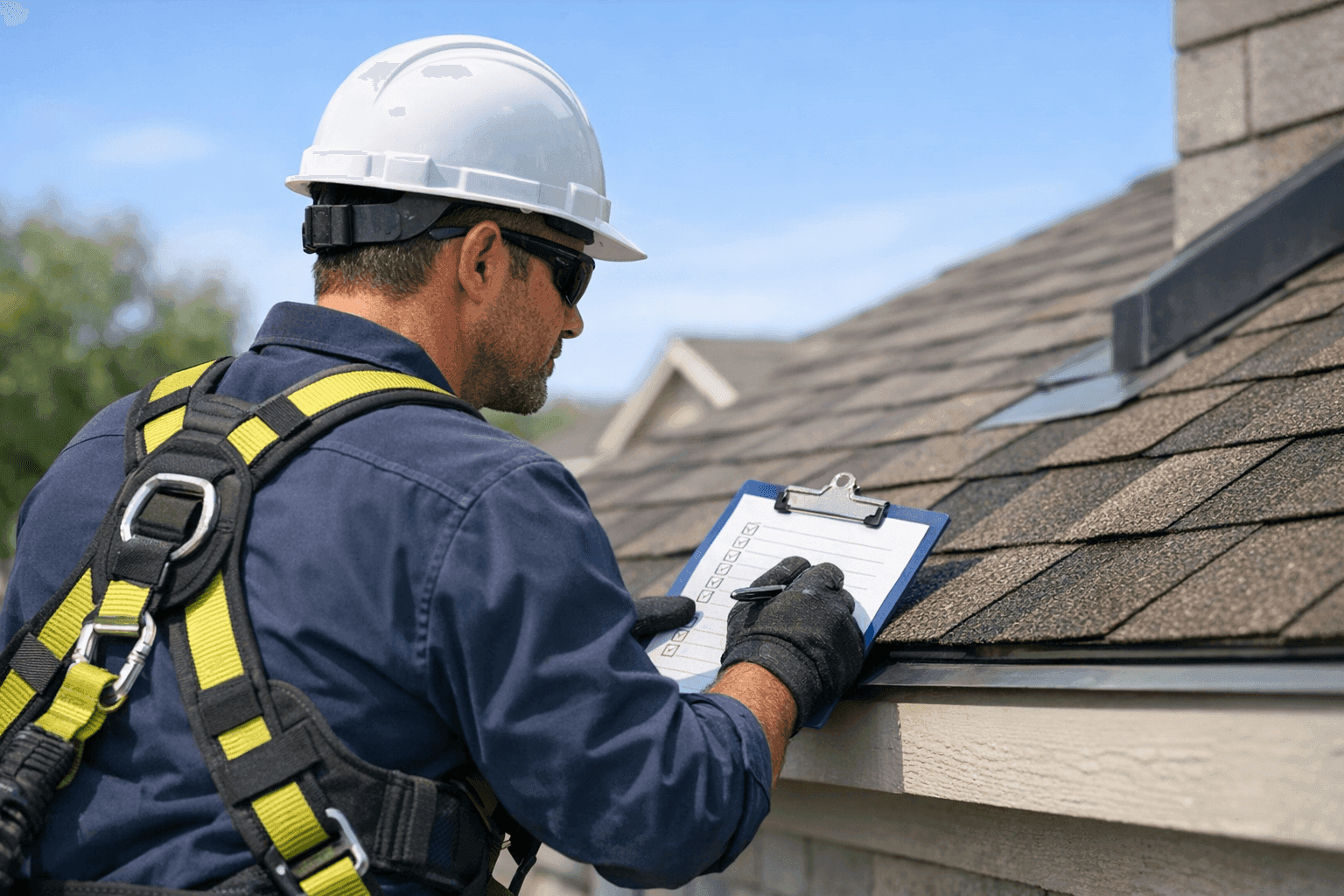
Owning a home means more than four walls and a door—it’s your roof that quietly takes the beating from rain, wind, sun, and hail. Yet, most homeowners barely glance up until there’s a leak or stain overhead.
At Overhead Roofing, we know a little prevention goes a long way. Regular roof inspections aren’t just for peace of mind. They’re the secret to making your roof last, protecting your investment, and avoiding sudden, wallet-draining surprises.
Why Roof Inspections Matter 🕵️♂️
Think of your roof as your home’s helmet. It shields everything you care about. But like any gear, it can’t do its job if cracks, gaps, or worn-out parts go unnoticed. Tiny issues—loose shingles, cracked tiles, bent flashing—can let water sneak in, leading to rot, mold, or structural headaches.
The National Roofing Contractors Association recommends at least two inspections a year for residential homes. This simple habit can mean the difference between a minor fix and a major headache down the road. It’s not just about looks—roofing problems ignored today can snowball into costly repairs or even full replacements tomorrow.
How Inspections Extend Roof Life
A roof is like a car; regular tune-ups keep it running longer. Inspections catch early signals—missing shingles, lifted flashing, clogged gutters—before they become disasters. Here’s what regular checks do:
- Spot small leaks before they ruin insulation or drywall.
- Prevent wood rot and mold by catching moisture early.
- Find damaged or missing shingles after storms.
- Identify blocked vents, which can spike energy bills.
- Extend lifespan of roofing materials by catching wear before failure.
Routine inspections, paired with smart preventative maintenance, are proven to add years to a roof’s service life. The cost of an inspection is a fraction of what you’d pay for extensive roof repair or a new installation.
When and How Often to Inspect
So, when’s the best time to check your roof? The short answer: spring and fall. These seasons are mild, making it easier to spot damage caused by harsh winter storms or blazing summer sun.
But don’t wait for a calendar reminder if you notice:
- Water stains on ceilings or walls
- Missing or curled shingles
- Sudden spike in energy bills
- Sagging rooflines
After any severe weather—wind, hail, or heavy rain—a quick inspection is wise. Some homeowners schedule a check after every major storm just to be safe.
What Inspectors Look For 🔍
What happens during a roof inspection? Professional inspectors have a sharp eye trained for trouble spots most folks miss. They’ll look for:
- Cracked, loose, or missing shingles and tiles
- Rusted or displaced flashing around chimneys, vents, and skylights
- Signs of sagging or uneven roof planes
- Blocked gutters or downspouts causing water to pool
- Soft spots or moisture under decking
- Mold, algae, or moss growth
- Damaged roof vents or insulation
They’ll also check seals and joints for gaps, and even assess your attic for leaks or ventilation issues. A thorough inspection covers both the outside and inside of your roof system.
Quick Safety Checklist Before You Inspect
Thinking of taking a look yourself? Safety first. Before you climb up, remember:
- Wear sturdy shoes with good grip.
- Use a stable ladder on solid ground.
- Never inspect during rain, snow, or high winds.
- Have a buddy nearby, just in case.
- Don’t step on loose shingles or tiles.
If the roof feels steep or high, call in a pro. Your safety is worth far more than a quick peek.
DIY vs. Calling a Pro
It’s tempting to grab a flashlight and inspect on your own. While you can spot obvious damage, many issues hide in plain sight. Trained professionals use years of experience to catch small cracks, hidden leaks, and subtle signs of trouble.
A pro’s trained eyes—and proper tools—make all the difference. Overhead Roofing’s team knows what to look for and how to fix it right the first time, without risking your safety.
What Pros Do On Arrival
When Overhead Roofing arrives, expect a systematic, step-by-step process:
- Visual walk-around of the entire property.
- Close inspection of roofing material for wear and tear.
- Checking flashing, gutters, skylights, and chimneys.
- Interior attic check for moisture or sagging.
- Documentation with photos and notes.
Afterward, you’ll get a clear explanation of what was found, what’s urgent, and what can wait.
Prevention & Maintenance: The Winning Combo 🏡
Inspections are step one. The next? Acting on what’s found. Preventative maintenance—like sealing small cracks, cleaning gutters, or repairing flashing—keeps little issues from growing.
Think of it like weeding a garden; a little effort now saves a big mess later. Simple actions, like regular gutter cleaning and replacing worn sealants, make all the difference.
Costs & Time Factors
How long does an inspection take? Most residential inspections take an hour or two, depending on the roof’s size and complexity.
As for cost, it’s a small price compared to water damage restoration or structural repairs. Remember, catching a $100 fix early beats a $10,000 replacement later.
When It’s an Emergency
Not every roof issue can wait for the next scheduled checkup. If you spot water pouring in, visible holes, or major storm damage, call for emergency service. Fast response can limit the damage and save thousands in repairs.
Seasonal Considerations 🌦️
Different seasons bring different roofing challenges. Heavy snow can strain structures, while summer sun dries out sealants and shingles. Spring brings wind and rain, testing every inch of your roof.
Plan inspections around these seasonal shifts. After a long winter or a summer storm, a quick check can spot new trouble.
Common Mistakes Homeowners Make
- Ignoring small leaks or ceiling stains
- Postponing regular inspections
- Trying risky DIY repairs on high or steep roofs
- Neglecting gutters and downspouts
- Using the wrong materials for patches
Avoid these pitfalls and your roof will thank you with years of reliable protection.
Signs of Trouble—Don’t Ignore These
Sometimes your roof “talks” to you. Listen for:
- Dripping sounds in the attic
- Curling or missing shingles visible from the ground
- Peeling paint near rooflines
- Moss or dark streaks on shingles
If you see or hear these signs, it’s time to schedule a professional inspection.
Timeline & Disruption
Worried about chaos during inspection? Good news: most checks are non-invasive, quick, and tidy. You can go about your day while the pros work outside, then get a summary with photos and recommendations.
Materials and Equipment Used
A professional inspector brings more than just a ladder. They use:
- Moisture meters to spot hidden leaks
- Drones for hard-to-reach areas
- Binoculars for detailed views from the ground
- Flashlights for attic checks
This thorough approach ensures nothing gets missed.
Building Codes and Safety Guidelines
Roofing inspections aren’t just a good idea—they’re often required by local codes and insurance policies. The International Residential Code (IRC) sets safety standards for roof construction and maintenance. Following these guidelines keeps your home safe and up to code.
Your Roof, Your Peace of Mind
Regular inspections are the unsung heroes of homeownership. They save money, prevent stress, and protect what matters most. If you’re in the market for “Tile Roofing near you” or want to learn more about inspections, don’t wait for trouble to find you.
If you’re ready to schedule, or just have questions, reach out to Overhead Roofing. Our team is always happy to help—whether it’s Inspections, maintenance, or repairs.
Call Overhead Roofing now — or reach us anytime at 855-554-4704 .