Downspout Repair: Fixing Common Problems Fast
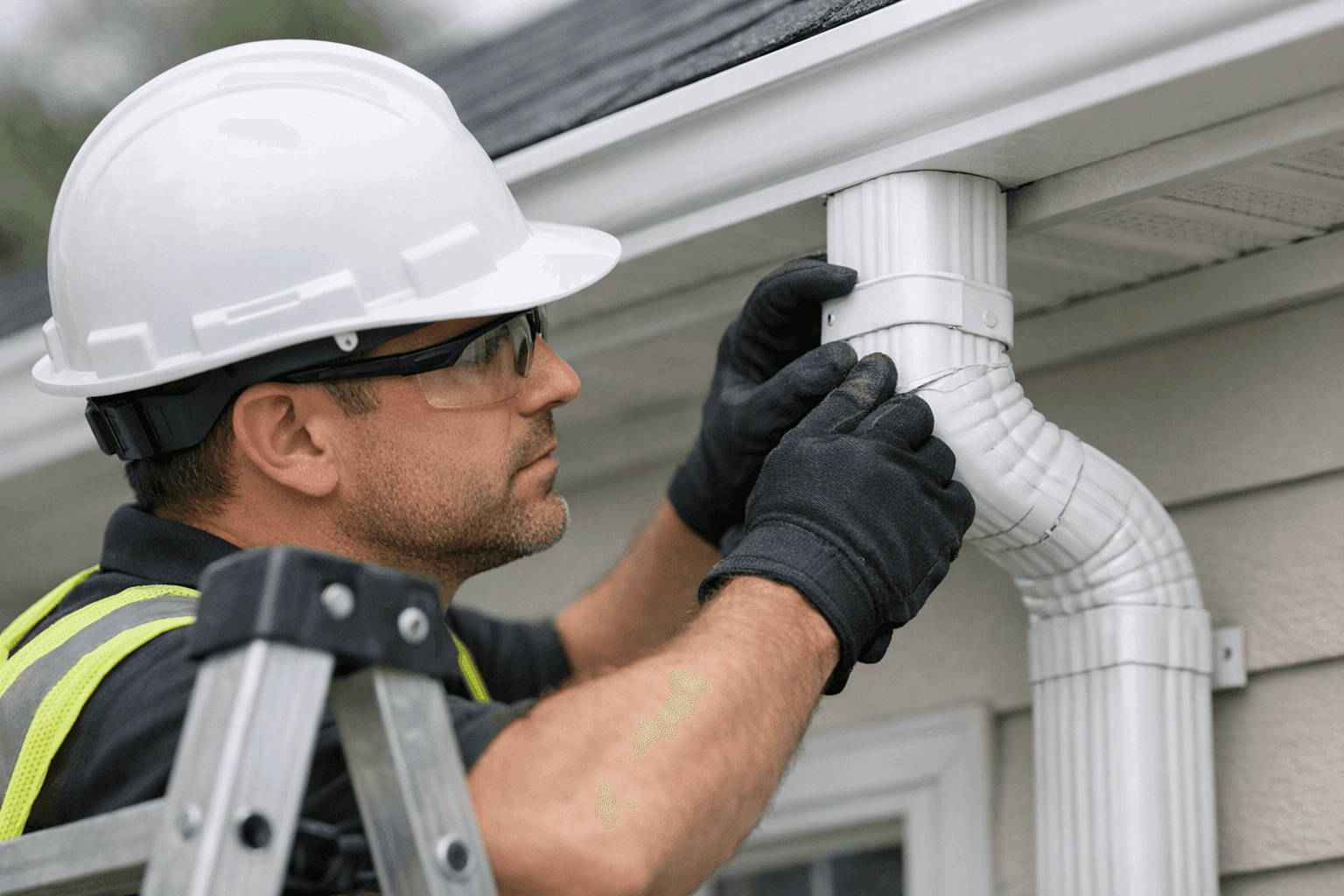
Water likes to find the quickest way downhill. If your downspouts can’t keep up, even a small rainstorm can turn a harmless drip into a basement flood or a splashy mess against your siding. At Overhead Roofing, we see it all the time—simple downspout fixes that, left unchecked, become major headaches.
Let’s walk through what goes wrong with downspouts, how you can tackle simple repairs, and when it’s best to bring in a roofing specialist. Your home’s safety is too important to leave to chance.
Why Downspouts Matter 🌧️
Downspouts are the unsung heroes of your roofing system. They work quietly, guiding gallons of water away from your home’s foundation every time it rains. Without them, water pools like a puddle under a garden hose, soaking into the soil, creeping into basements, and even cracking foundations over time.
Downspouts connect to gutters, but their job is different: they make sure water has a safe, controlled exit. That keeps siding, landscaping, and walkways protected. When downspouts fail, everything below your roof is at risk.
Common Downspout Problems
- Leaks at joints or seams: Water trickles or spurts from connections instead of the bottom.
- Clogged with leaves or debris: Water backs up, pouring over gutters in sheets.
- Disconnected or loose from the gutter: Water dumps right next to your foundation.
- Crushed or dented pipes: Water can’t flow, causing backup.
- Improper slope or length: Water pools at the base, missing the safe drainage zone.
Each of these might seem small at first. But left alone, they can cause rot, mold, and even structural damage. According to the International Association of Certified Home Inspectors, drainage issues are a leading cause of foundation problems in homes.
How to Fix Leaks and Clogs
Start simple. If you see water where it shouldn’t be, check for these fast fixes:
- Clear out debris: Wear sturdy gloves. Scoop out leaves and dirt from the top of the downspout and gutter. Run a garden hose down from the top—if water flows freely, you’re in good shape.
- Tackle stubborn clogs: If water backs up, try a plumbing snake or a long stick. Sometimes, a gentle tap along the pipe shakes things loose.
- Seal leaky joints: Dry the area. Use a roofing-grade sealant on seams and connections. Press firmly, and let it cure as directed.
- Reattach loose downspouts: Check fasteners. Tighten or replace screws and brackets as needed.
Safety tip: Use a sturdy ladder and never lean too far. If the downspout is high or requires roof access, call a pro.
When to Replace or Upgrade
Sometimes, a repair just won’t do the trick. Consider a replacement if:
- The downspout is crushed, rusted through, or detached beyond repair.
- Sections are missing or damaged from storms.
- The downspout can’t handle heavy rainfall, leaving water to overflow.
Upgrading to a larger or seamless downspout, or adding extensions, helps direct water even farther from your home. If you’re building new or upgrading your entire gutter system, a pro can also review your whole setup for best results.
Quick Safety Checklist 🛠️
- Always set your ladder on level ground.
- Wear gloves and eye protection—hidden nails and sharp edges are common.
- Never work alone on tall ladders.
- If you spot electrical wires or hornet nests, step back and call for help.
DIY vs. Call a Pro
You can handle small clogs or seal minor leaks with supplies from a hardware store. But if the problem is high up, the pipe is damaged, or you’re unsure what’s causing the issue, it’s safer to call Overhead Roofing.
A pro can spot hidden problems—like sagging gutters, improper slopes, or cracked flashing—that cause recurring trouble. Plus, we can recommend upgrades like leaf guards or better drainage solutions.
What Pros Do On Arrival
When Overhead Roofing shows up, here’s what to expect:
- Inspection of the entire gutter and downspout system.
- Testing water flow with hoses or water.
- Checking for hidden leaks or structural issues.
- Professional cleaning, re-sealing, or replacement as needed.
- Advice on preventing future problems—sometimes simple changes make a world of difference.
Prevention & Maintenance
Most downspout problems are preventable. Here’s how:
- Clean gutters and downspouts at least twice a year, or more if you have trees nearby.
- Install leaf guards to keep out debris.
- Make sure downspouts extend at least five feet from your foundation.
- Re-check fasteners and joints after big storms.
The National Roofing Contractors Association (NRCA) recommends seasonal checks and prompt repairs. Small issues, if caught early, keep your roof and home safe year-round.
Costs & Time Factors
- DIY fixes: Supplies range from $15–$50 for sealant, screws, and gloves.
- Professional repairs: Vary by extent, location, and materials. Most jobs take less than a day.
- Replacements: More expensive but may be necessary if pipes are crushed or missing.
Remember, waiting too long can mean higher costs later for foundation or siding repair.
When It’s an Emergency 🚨
If you see water pouring into your basement, puddling near your foundation, or causing visible interior leaks, it’s time to act fast. Major storms can rip downspouts from homes, leaving you exposed. Emergency services from Overhead Roofing mean you’re not left out in the rain—literally.
Seasonal Considerations
- Spring: Look for damage after winter ice and snow.
- Fall: Clear leaves before the first freeze.
- Summer: Heavy storms test your system—watch for leaks and overflows.
- Winter: Make sure downspouts aren’t blocked by ice; frozen water expands and can split seams.
Common Mistakes
- Using the wrong sealant (always use roofing-grade).
- Forgetting extensions, causing water to pool by the house.
- Over-tightening fasteners and crushing the pipe.
- Ignoring minor leaks, which can turn into big problems fast.
Signs of Trouble
- Water stains on siding or foundation.
- Peeling paint or mold growth near downspouts.
- Erosion where water exits.
- Sagging gutters or visibly loose downspouts.
Timeline & Disruption
Most repairs—if handled early—cause little disruption. You can often solve a clog or leak in under an hour. Major replacements may take half a day. Our team works quickly and leaves your home tidy, so you can get back to what matters.
Materials & Equipment
- Roofing-grade sealant
- Replacement elbows or extensions (aluminum, vinyl, or steel)
- Heavy-duty gloves and eye protection
- Sturdy ladder
- Hose or plumber’s snake for clearing clogs
Always match materials to your current gutter and downspout system for best results.
Downspout Repair in Your Area
If you’re searching for reliable Downspout Installation or Gutter Repair, Overhead Roofing is ready to help. For homeowners in the area looking for trusted roofing company, we’re just a call away.
FAQ
How often should I clean my downspouts?
Twice a year is a good rule, plus after any major storm if you notice debris.
Can I use regular caulk for leaks?
No—always choose a sealant made for roofing and weather exposure.
How long do downspouts last?
With proper care, aluminum or steel downspouts can last 20 years or more. Inspect yearly.
Are bigger downspouts better?
For homes with heavy rain or lots of roof area, larger downspouts help move water quickly and safely.
Don’t wait for leaks to become disasters. Call Overhead Roofing now — or reach us anytime at 855-554-4704 .