How to Detect and Prevent Roof Pests and Animal Damage
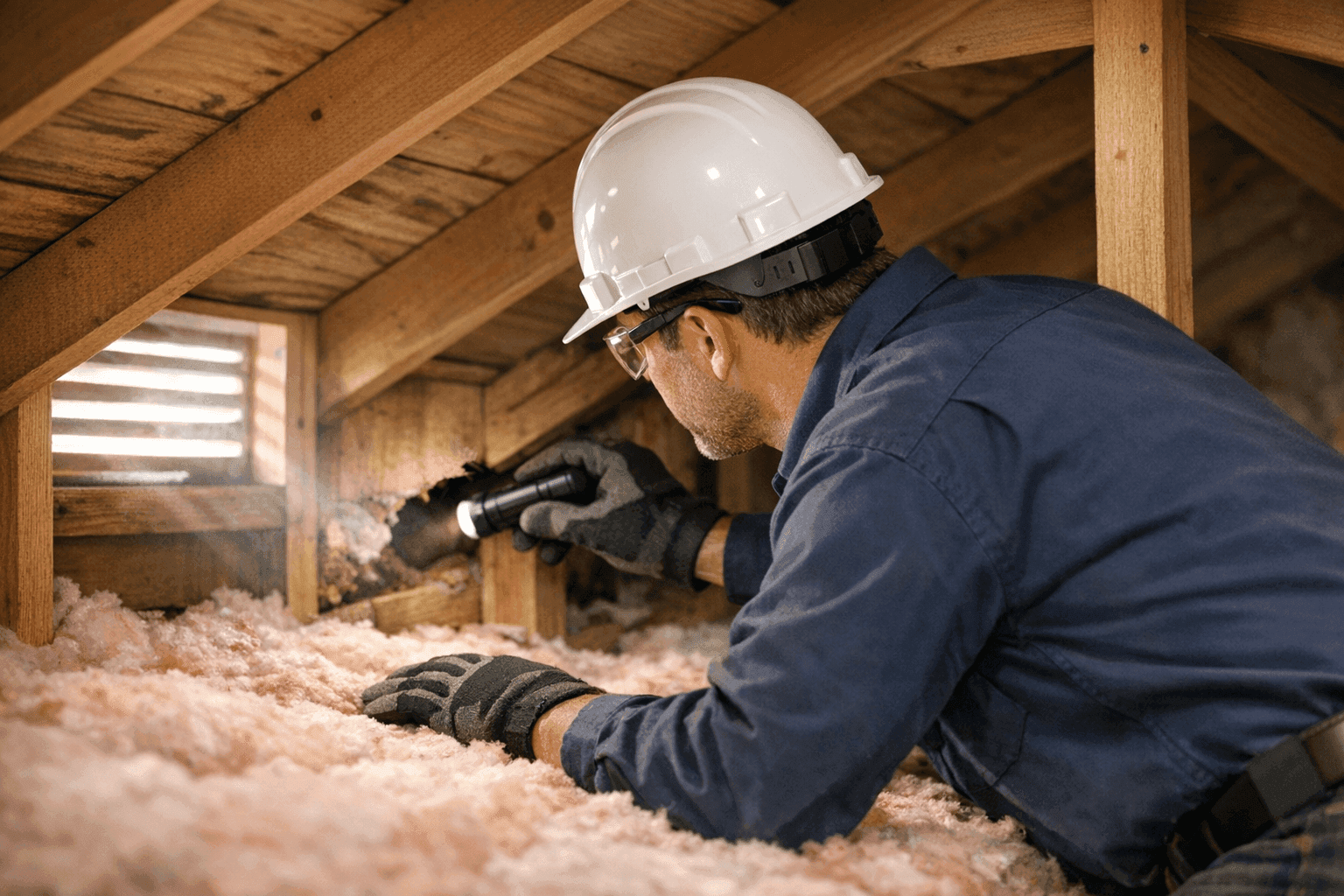
If you’ve ever heard mysterious scrabbling in your attic or noticed a few shingles askew after a storm, you’re not alone. Unwanted critters and pests see your roof as the gateway to warmth, shelter, and food. For homeowners, that can mean unexpected repairs, leaks, or even health risks.
At Overhead Roofing, we know how easily a small problem can turn into a major headache. Let’s walk through what you need to know—so you can keep your roof, and everyone underneath it, safe and sound.
Common Roof Pests and Animals 🦝
It’s surprising how many creatures try to make your roof their home. Here are the repeat offenders:
- Squirrels: Masters of chewing and squeezing through gaps. They love attics for nesting.
- Rats and Mice: Small but relentless, they chew wires and insulation, causing fire hazards.
- Raccoons: Strong, clever, and capable of tearing through shingles or soffits.
- Birds: Pigeons and starlings clog gutters and vents with their nests.
- Bats: Squeeze into small gaps and leave behind hazardous droppings.
- Insects: Termites, carpenter ants, and wasps can get under shingles or into decking.
Each pest brings its own risks. For example, rodents and raccoons can do serious structural damage, while birds and insects often create moisture issues.
Signs of Infestation or Damage
Knowing what to look for can save you money and stress:
- Noises: Scratching, scurrying, or chirping from the attic—especially at night.
- Droppings: Small pellets (rodents) or larger piles (raccoons, bats) in insulation or crawl spaces.
- Gnawed wood or wires: Squirrels and rodents gnawing for entry or nesting material.
- Stains or discoloration: Water marks on ceilings can mean pests have compromised your roof’s waterproof barrier.
- Shingles or flashing out of place: Animals sometimes lift or move roofing materials to get inside.
- Visible nests: In gutters, chimneys, or under eaves.
- Unpleasant odors: Rotting food, urine, or animal scent marks.
If you see one sign, there are probably more. Don’t ignore the hints—small problems rarely stay small.
How to Prevent Roof Intrusions
Think of your roof as a fortress. Every crack, gap, or loose piece is a possible drawbridge for pests.
- Seal Entry Points: Check for gaps in soffits, fascia, vents, and where roof meets walls. Use steel mesh or hardware cloth for animals and caulk for insects.
- Trim Trees: Keep branches at least six feet from the roof. Overhanging limbs are highways for squirrels and raccoons.
- Clean Gutters: Clear debris each season. Clogged gutters attract birds and insects, and hold moisture against your roof.
- Install Chimney Caps and Vent Covers: These keep out birds, bats, and even raccoons.
- Repair Damaged Roofing Fast: Missing shingles or loose flashing = open invitation.
- Store Food Securely: Pet food or birdseed outside is a magnet for animals.
- Schedule Regular Inspections: A professional set of eyes can catch what you might miss.
A little prevention goes a long way—like locking your doors every night.
Repairing Pest Damage
Animal and pest damage is more than just unsightly. It can set the stage for leaks, mold, and costly repairs.
What to Do First
- Evict the Pests Humanely: Use exclusion techniques or call a wildlife removal pro. Never use poisons that can harm pets or other wildlife.
- Assess the Damage: Check insulation, decking, wiring, and all roofing materials nearby.
- Fix Leaks and Holes Promptly: Small holes can quickly turn into big leaks, especially after rain.
- Replace Damaged Materials: Rotted wood, chewed wiring, or torn underlayment all need immediate attention.
- Sanitize: Clean up droppings or nests to prevent health risks, following CDC guidelines for rodent cleanup.
DIY vs. Professional Repairs
- Small Jobs: Patching a minor hole or replacing a shingle can be a DIY project if you’re handy and have the right safety gear.
- Larger Issues: If there’s significant damage, wiring problems, or signs of structural weakness, call a roofing company. Safety comes first.
For specialized repairs like Leak Repair or Roof Repair, pros have the equipment and materials to match your existing roof and restore its strength.
Quick Safety Checklist ✅
- Wear gloves and a mask when cleaning up droppings or nests.
- Use proper ladders or scaffolding; never overreach or work alone.
- Double-check that all pests are gone before sealing entry points.
- Don’t touch exposed wiring; call an electrician for chewed wires.
If you’re ever unsure, it’s safer to call someone trained for the job.
When It’s an Emergency
Sometimes, animal invasions lead to urgent problems: water pouring in after a raccoon tears a hole, or a family of squirrels chewing through electrical wires.
- Call emergency roofing services if you have sudden water leaks, widespread structural damage, or exposed wiring.
- Cover holes temporarily with a tarp if safe to do so, but avoid climbing on a wet or icy roof.
Prompt action can prevent a little problem from turning into an insurance claim.
Seasonal Considerations
Pests are more active in certain seasons:
- Spring: Animals look for nesting spots. Inspect after winter for new gaps or damage.
- Summer: Birds and insects are at peak activity. Keep gutters and vents clear.
- Fall: Rodents seek warmth and may try to move inside as temperatures drop.
- Winter: Ice dams and snow can create new entry points as materials expand and contract.
A year-round maintenance mindset helps you stay one step ahead.
Common Mistakes to Avoid
- Ignoring early signs: That odd noise or missing shingle can spell bigger trouble.
- Sealing in pests: Always confirm animals are out before sealing entry points.
- Using toxic chemicals: These can harm kids, pets, and non-target wildlife.
- Delaying repairs: Small holes become big leaks, and moisture attracts even more pests.
Think of roof maintenance like brushing your teeth—regular attention saves time and money down the line.
DIY or Call the Pros?
- DIY: Good for simple patching, cleaning gutters, or trimming branches.
- Call a Pro: For animal removal, major repairs, or whenever you’re not 100% confident. Professional roofing services can help keep your roof secure and critter-free.
Materials and Equipment for Pest-Proofing
- Steel mesh or hardware cloth for covering vents and gaps.
- High-quality caulk for sealing small cracks.
- Replacement shingles, flashing, and underlayment.
- Safety gear: gloves, mask, sturdy ladder, eye protection.
Use code-compliant materials as recommended by the International Residential Code (IRC) for your repairs.
Timeline and Disruption
Minor repairs (patching holes, replacing a few shingles) can often be done in a day. More extensive damage from raccoons or water may take several days, especially if materials need to dry out or be replaced.
Plan for some noise and dust, but reputable roofers will minimize mess and keep you informed.
FAQ: Roof Pests and Animal Damage
Q: Can animals really chew through roofing?
A: Yes—squirrels, rats, and raccoons are stronger than you think. They can gnaw through wood, shingles, and even some metal flashing.
Q: Are droppings dangerous?
A: Absolutely. Rodent and bat droppings can carry disease. Always use protective gear when cleaning.
Q: How often should I inspect my roof for pests?
A: At least twice a year—after winter and at the end of summer—or after any major storm.
Q: Are humane removal options available?
A: Yes. Most wildlife removal professionals use non-lethal, exclusion-based techniques.
Final Thoughts: Keep Critters Out, Roof Strong
Your roof is your home’s shield. With a little vigilance, the right repairs, and a commitment to humane prevention, you can keep pests outside where they belong. Don’t wait for the next mysterious noise—get ahead of the problem with regular maintenance and professional support.
Call Overhead Roofing now — or reach us anytime at 855-554-4704 .