Decking and Your Roof: What Homeowners Should Know
Every roof has a secret backbone—the decking. You can’t see it from the curb, but it’s working hard above your head every single day. For homeowners, knowing about roof decking is like knowing where the circuit breaker is. Maybe you don’t think about it much. But when trouble hits, you’re glad you know.
If your roof feels spongy underfoot, or you’ve noticed sagging or leaks, decking may be behind it. Let’s break down what every homeowner should know, so you can keep your roof (and home) in solid shape.
What Is Roof Decking? 🏠
Roof decking is the layer of sturdy boards or panels that sits right on top of your home’s framing, underneath the visible roofing material (like shingles or tiles). Think of it as the foundation for your roof—the platform that holds everything else up. Most homes use plywood or oriented strand board (OSB), but older homes may have planks. Without reliable decking, even the toughest roof can wobble like an unsteady ladder.
Decking supports:
- Shingles, tiles, or metal panels
- The weight of snow, rain, or the occasional curious squirrel
- Your roofing team during inspections or repairs
Why Decking Matters for Roof Health
A roof is only as tough as its weakest layer. If the decking is damaged, it’s like having a cracked spine under a beautiful suit—trouble is coming. Water, wind, and even humidity sneak in through weak spots. Over time, this can lead to leaks, mold, and serious structural headaches.
Sturdy decking:
- Keeps your roof safe from collapse
- Helps prevent leaks and water damage
- Extends the life of your entire roofing system
Building codes, such as those from the International Residential Code (IRC), set minimum decking thickness and materials for safety. Cutting corners just isn’t worth it.
Signs of Decking Problems (Sagging, Rot, Mold) 👀
Decking issues rarely shout—they whisper. Here’s what to watch for:
- Sagging or uneven rooflines: Like a drooping bookshelf, this means the boards underneath might be soft or broken.
- Mysterious leaks or water stains: Water can slip through hidden cracks and rot the decking before you ever see a drop inside.
- Moldy smells in the attic: Roof leaks can foster mold on wood decking, which isn’t just a nose-wrinkler—it’s a health hazard.
- Spongy feel underfoot: If you (or a pro) walk the roof and it feels bouncy, it’s a red flag for rot or decay.
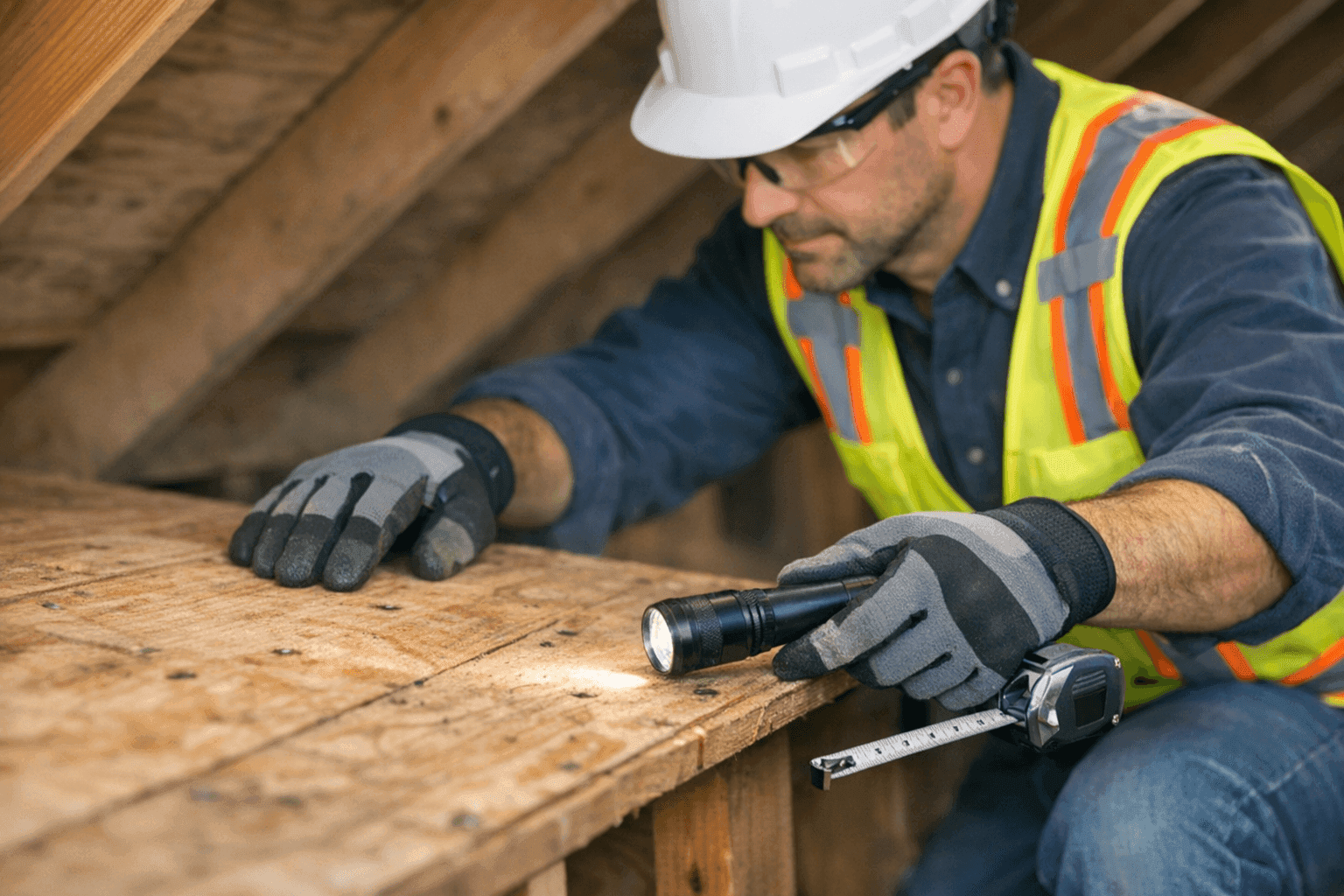
- Visible wood rot or discoloration from the attic: Look up with a flashlight—dark, soft, or crumbling spots are warning signs.
A Quick Safety Checklist for Homeowners
- Never walk on a roof that feels unstable or spongy.
- Check your attic for daylight peeking through or musty smells.
- Look for warped or sagging areas from the ground after storms.
- Schedule a roof inspection every year, especially after big storms.
Even if you’re handy, some issues need a specialist. It’s safer and faster.
DIY vs. Call a Pro
Changing a light bulb? DIY. Fixing roof decking? That’s another story. Decking repairs mean working at heights, dealing with structural supports, and sometimes even handling mold. It’s not a job for a regular Saturday.
If you spot warning signs, call a qualified roofing contractor. They can:
- Safely inspect your roof and attic
- Test for rot, mold, and hidden moisture
- Suggest the best fix—repair, reinforcement, or replacement
Our team at Overhead Roofing handles everything from decking to structural repair and roof repair, so you don’t have to sweat the details.
What Pros Do On Arrival
When Overhead Roofing arrives, here’s what you can expect:
- Visual inspection from the ground and attic
- Moisture readings and wood integrity tests
- Careful removal of damaged roofing layers, if needed
- Honest assessment—sometimes only a small section needs fixing, not the whole roof
We follow best practices recommended by the National Roofing Contractors Association (NRCA) and local code requirements.
Prevention & Maintenance Tips
- Keep gutters clear—overflowing water is decking’s worst enemy.
- Trim back branches to avoid roof damage during storms.
- Schedule professional roof inspections after severe weather.
- Address leaks immediately instead of waiting for “next season.”
Quick action saves money and keeps your family protected.
Costs & Time Factors
Decking repair or replacement costs depend on:
- The size of the damaged area
- Materials (OSB is usually less expensive than plywood)
- Labor and removal of old roofing
Minor patches can be done in a day. Full replacement may take several days, especially if weather or structural issues are involved. Investing in quality work pays off—nobody wants a “fix” that only lasts until the next rainstorm.
When It’s an Emergency 🚨
Severe sagging, active leaks during storms, or visible mold mean it’s time to act fast. Delaying can lead to structural failure or health risks. If your roof feels unsafe, leave the area and call for emergency roofing services right away.
Decking and Roof Replacement: What to Expect
If your roof needs replacement, always ask about the decking. A good roofing company will inspect and repair or replace damaged decking before installing new materials. Skipping this step is like painting over rust—it may look better for a while, but the trouble is still there.
Seasonal Considerations
Winter brings heavy snow loads that test decking strength. Summer storms and high humidity can accelerate wood rot. Fall leaves clog gutters, sending water back toward the decking. Schedule roof checks every spring and fall for peace of mind.
Common Mistakes Homeowners Make
- Ignoring small leaks (“It’s just a drip!”)
- Re-roofing over rotten decking to save money
- Skipping professional inspections
- Using improper patch materials from the hardware store
Mistakes like these can lead to bigger, costlier repairs down the road.
How Long Does Decking Last?
With proper care, roof decking can outlast your shingles—sometimes 30 years or more. But moisture, pests, and missed maintenance can cut that lifespan short. Replacing decking isn’t an everyday job, but it’s crucial when the time comes.
Materials and Equipment Used
- Plywood (usually 1/2" or 5/8" thick) or OSB panels
- Galvanized nails or screws for secure fastening
- Underlayment and moisture barriers
- Safety harnesses and roof jacks for crew protection
Certified pros always use code-compliant materials and safety gear.
Frequently Asked Questions
How do I know if my decking needs repair?
- Look for sagging, leaks, and musty smells. Annual inspections help spot hidden problems.
Can I replace decking myself?
- It’s not recommended. Decking repair involves structural work and safety risks.
Is decking required for all roofs?
- Yes. Proper decking is required by building codes and for manufacturers’ warranties.
What’s the difference between decking and sheathing?
- They’re often the same thing—just different names for the roof’s base layer.
The Bottom Line: Decking Deserves Attention
Good decking is invisible when it’s doing its job. But when it fails, the whole roof is at risk. Take care of it and your home will thank you. If you’re unsure about your roof’s health or need roofing services, Overhead Roofing is here to help.
Call Overhead Roofing now — or reach us anytime at 855-554-4704 .