The Complete Homeowner’s Guide to Roof Maintenance
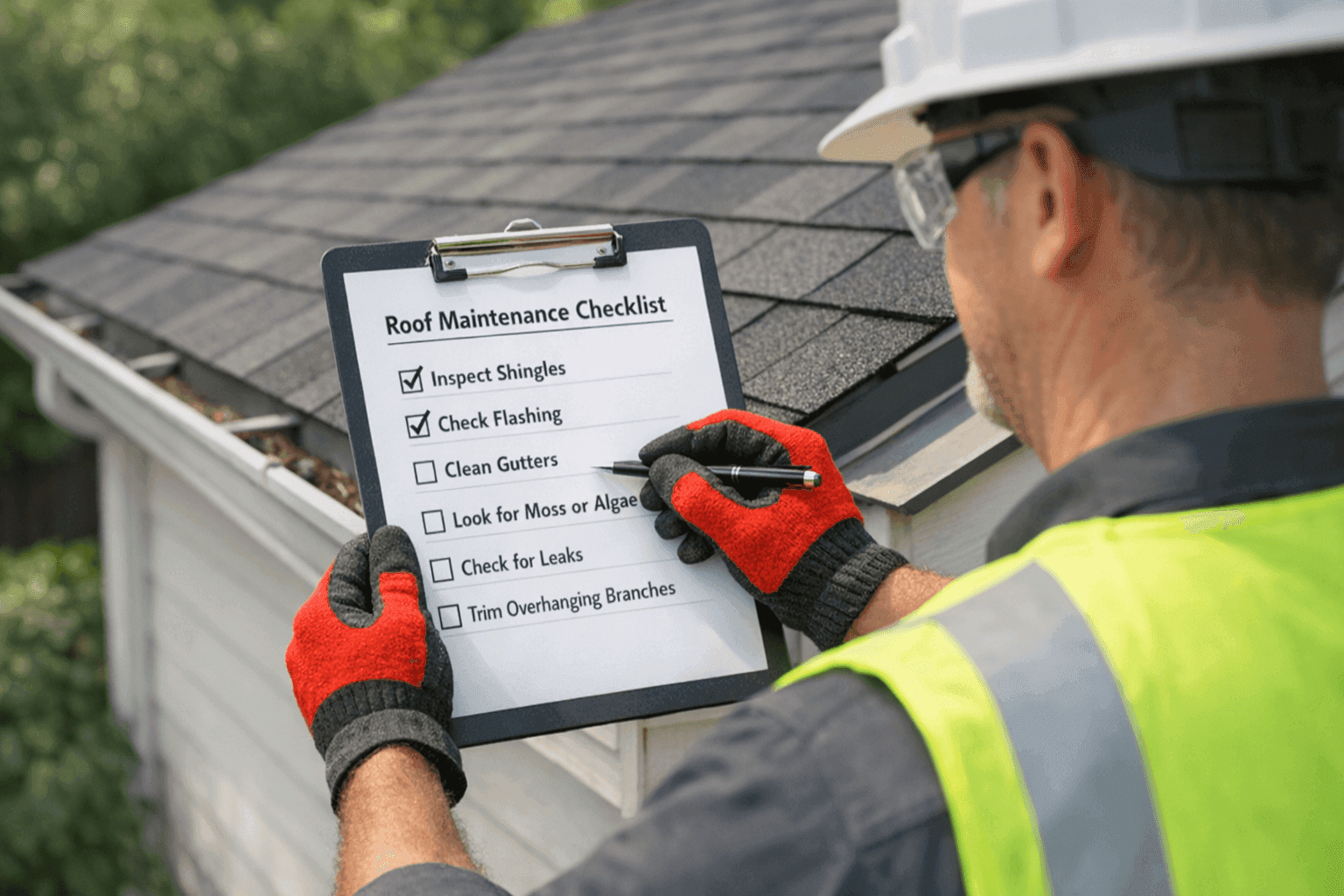
Keeping a roof over your head is more than a figure of speech—it's a responsibility. Your home's roof works quietly, season after season, taking the brunt of sun, storms, and time. Yet, most homeowners barely think about their roof until water starts dripping in the hallway.
At Overhead Roofing, we know that a little attention now saves you from big headaches later. This guide lays out a clear path to confident roof maintenance for every homeowner. Let's get you ahead of leaks, damage, and unexpected costs.
Why Regular Roof Maintenance Matters 🏡
Think of your roof as a raincoat for your house. Ignore a loose button, and suddenly you’re soaked. That’s the reality for many who skip regular checkups—small problems become expensive nightmares. According to the International Association of Certified Home Inspectors (InterNACHI), routine maintenance can extend your roof’s life by up to 50%.
Regular care protects your investment, boosts curb appeal, and keeps your family safe. It also helps preserve your manufacturer warranty—many require proof of regular maintenance and inspections.
Monthly, Seasonal, and Annual Tasks
A strong maintenance routine doesn’t need to be overwhelming. Break it up into manageable chunks, just like you’d handle yard work.
Monthly
- Check for debris: Look for leaves, twigs, or moss in gutters and valleys.
- Spot check shingles: Use binoculars to scan for missing, cracked, or curled shingles.
- Look for leaks: Peek inside your attic after heavy rain for damp spots or discoloration.
Seasonal
- Spring: Clean gutters, inspect for winter storm damage, and check flashing around chimneys and skylights.
- Summer: Watch for signs of heat damage—warped or blistered shingles.
- Fall: Remove leaves from gutters and downspouts, trim branches hanging over the roof.
- Winter: After heavy snow, check for ice dams and icicle formation along the edges. Clear safely if possible.
Annual
- Full inspection: Schedule a professional Inspections every year to catch hidden issues.
- Sealant and flashing: Check all caulking, vents, and metal flashings for cracks or rust.
- Gutter system: Inspect gutter fasteners, downspout connections, and overall drainage.
DIY vs. Professional Maintenance
Some tasks fit right into a Saturday afternoon. Others demand the eye and skill of a pro.
DIY Tasks:
- Gutter cleaning (with a sturdy ladder and gloves)
- Visual shingle checks
- Trimming small branches
Leave to Professionals:
- Major repairs or leak tracing
- Tile Roofing near you that involves steep pitches or fragile materials
- Skylight or chimney flashing repairs
- Preventative maintenance that requires roof walking or complex tools
Roofing work comes with real risks. The Centers for Disease Control and Prevention (CDC) reports thousands of ladder-related injuries each year. If you’re ever in doubt, call a roofing contractor.
Warning Signs of Roof Problems 🚩
Your roof rarely fails overnight. Stay alert for these early red flags:
- Water stains on ceilings or walls
- Moss or algae growth on shingles
- Granules in gutters (from asphalt shingles)
- Curling, cracked, or missing shingles
- Rusty or loose flashing
- Sagging roofline
- Musty odors in the attic
The sooner you spot these, the smaller the fix. If you’re seeing any of these, a roof repair may be in order.
The Homeowner’s Quick Safety Checklist
Before you climb a ladder or walk a roof, take these steps:
- Inspect your ladder for stability.
- Wear slip-resistant shoes.
- Never work alone—have someone spot you.
- Don’t work in wet or windy conditions.
- Keep tools secured and pockets zipped.
Remember, safety isn’t just a step—it’s the whole ladder.
What Happens When You Call a Pro
Wondering what a roofing specialist actually does during a maintenance visit? Here’s a quick overview:
- Detailed inspection of shingles, tiles, and seams
- Check for underlying moisture or rot
- Inspect attic ventilation and insulation
- Evaluate flashing, sealants, and skylights
- Provide a written report and recommended actions
At Overhead Roofing, our team follows all Occupational Safety and Health Administration (OSHA) guidelines for residential work, so you know your home is in careful hands.
Prevention Pays Off: Why Maintenance Saves Money
Skipping roof maintenance is like skipping oil changes for your car. It’ll work for a while—then break down when you least expect it. Regular attention helps you:
- Avoid emergency repairs
- Extend roof life by years
- Maintain energy efficiency (proper insulation and ventilation)
- Reduce insurance claims from storm damage
According to the National Roofing Contractors Association (NRCA), most unplanned roof replacements stem from deferred maintenance.
When Is It an Emergency?
Sometimes, the roof demands urgent attention. Call for immediate help if you notice:
- Sudden large leaks or water pouring in
- Storm damage such as missing shingles or punctures
- Sagging sections (risk of collapse)
- Unexplained electrical issues after a roof leak
Document damage for insurance, stay safe, and let professionals handle emergency repairs.
FAQ: Common Homeowner Questions
How often should I have my roof inspected?
Every year, plus after major storms.
Can I pressure wash my roof?
It’s risky and can damage shingles—stick to gentle cleaning or call a pro.
How long should my roof last?
Depends on material: asphalt shingles (20–25 years), metal (40+), tile (50+), flat roofs (15–20 with good care).
What’s the best time of year for roof work?
Spring and fall are ideal—mild weather means safer, quicker repairs.
Seasonal Considerations: Adapting to the Weather 🌦️
Every season brings its own set of challenges:
- Spring storms can lift shingles or cause leaks.
- Summer sun dries out sealants and can warp materials.
- Fall leaves clog gutters and downspouts.
- Winter ice leads to dams and structural stress.
Adjust your maintenance checklist as the weather shifts. For more tips, the Federal Emergency Management Agency (FEMA) offers homeowner guides on storm readiness and roof safety.
Materials Matter: Choosing the Right Roof
Different materials, different care. Tile, metal, asphalt, and flat roofs each have unique requirements. Not sure what’s best for your home? Ask about eco-friendly options or specialized maintenance during your next inspection.
Don’t Make These Common Mistakes
- Ignoring small leaks
- Skipping annual inspections
- Walking on fragile tiles or shingles
- Forgetting about attic ventilation
- DIY repairs without proper tools or safety gear
A little caution goes a long way.
How Maintenance Affects Timeline and Disruption
Worried about repair chaos? Most maintenance jobs are quick—often wrapped up in a day. Larger repairs, like full replacements or correcting deep leaks, take longer but are less disruptive when caught early.
The Overhead Roofing Homeowner Maintenance Plan
- Monthly: Quick visual check
- Seasonal: Clear debris, trim branches, inspect after storms
- Annually: Professional inspection and preventative maintenance
Stay on track with reminders in your calendar, or schedule routine service with us.
Need Help? Your Local Roofing Company Is Ready
If you’re in the Silver Firs area and searching for dependable roofing services, Overhead Roofing is just a call away. Learn more about our roofing contractor solutions for your neighborhood.
Protect your investment and enjoy peace of mind with reliable roof maintenance. Call Overhead Roofing now — or reach us anytime at 855-554-4704 .