The Complete Guide to Shingle Roofing for Homeowners
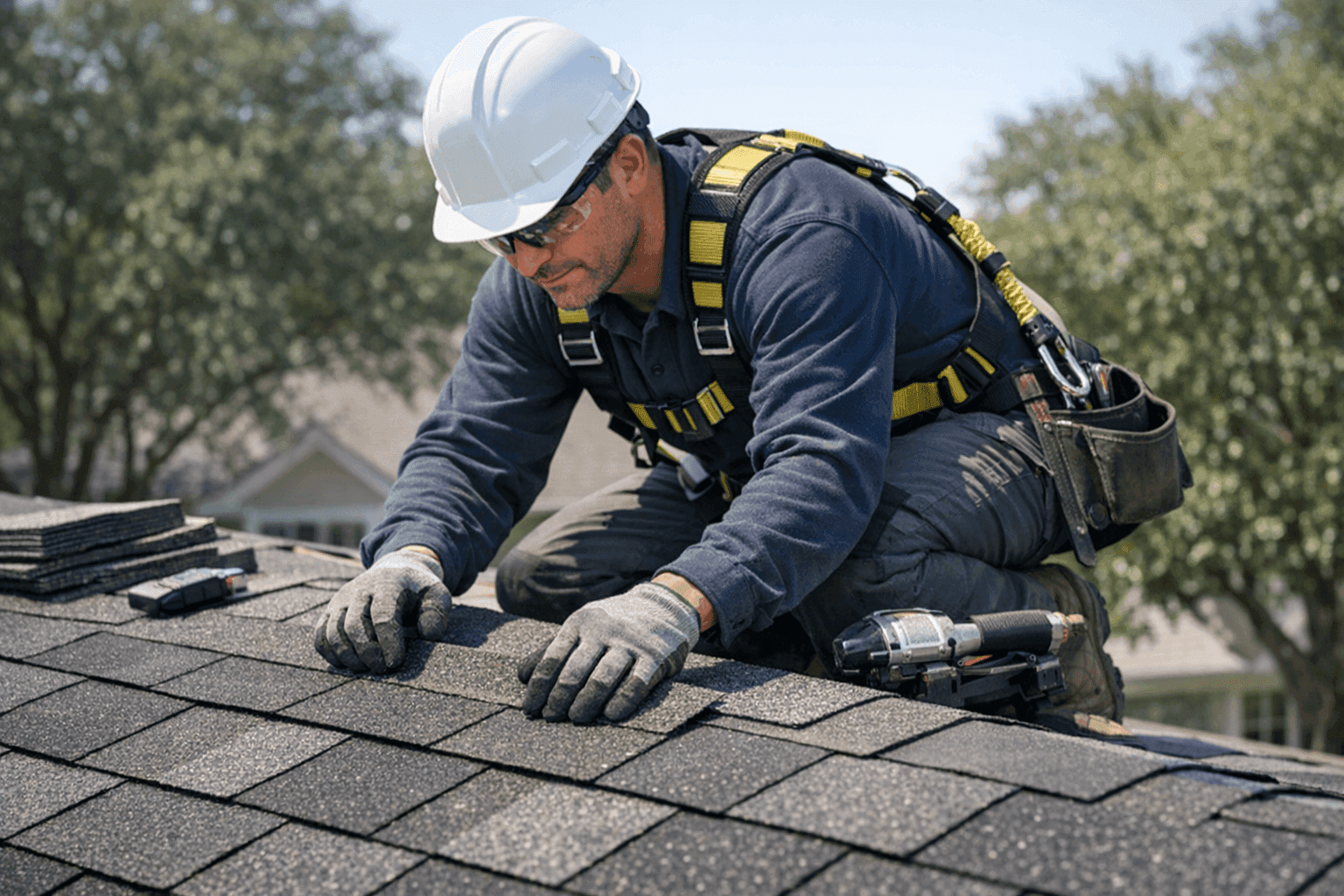
Are you staring up at your roof, wondering if those shingles can hold out another year? Or maybe you’re planning a new build and want the right roof from the start. The choices can feel overwhelming—but you’re not alone. At Overhead Roofing, we’ve helped countless homeowners navigate the maze of shingle roofing options, repairs, and replacements, all while protecting what matters most.
This guide breaks down everything you need to know about shingle roofing for your home. From the basics to insider tips, you’ll walk away ready to make confident decisions.
Types of Shingle Roofs: Which One Tops Your List? 🏠
Choosing a shingle roof isn’t just about color or curb appeal. It’s about what fits your budget, climate, and long-term expectations. Let’s break down the main types:
Asphalt Shingles
The classic. Asphalt shingles are the most common roofing choice in North America—and for good reason. They’re affordable, reliable, and come in a rainbow of styles. If you’ve ever seen a house with a gray, brown, or black roof, it was probably asphalt.
- Pros: Budget-friendly, easy to install, wide variety of colors.
- Cons: Shorter lifespan (15–30 years), can be vulnerable to severe hail or wind.
Architectural Shingles
Think of these as asphalt shingles with a little extra muscle and style. Architectural (or dimensional) shingles are thicker, often layered, and mimic the look of slate or wood shakes.
- Pros: Greater durability, enhanced aesthetics, better wind resistance.
- Cons: Cost more than standard asphalt, slightly heavier.
Designer & Luxury Shingles
Want your roof to make a statement? Designer shingles offer unique shapes, bold colors, and even mimic high-end materials like slate or tile—without the weight.
- Pros: Eye-catching, high resale value, superior durability.
- Cons: Premium price point, may require extra structural support.
Pros and Cons of Shingle Roofing
No roof is perfect, but shingle roofing comes close for many homeowners. Here’s what to weigh before you commit:
Pros
- Versatile: Fits nearly any residential style.
- Affordable: Lower upfront costs than tile or metal roofing.
- Easy to Repair: Individual shingles can be replaced without redoing the whole roof.
- Quick Installation: Most projects finish in a few days.
Cons
- Weather Limitations: Hail, heavy snow, and hurricane-force winds can take a toll.
- Lifespan: Generally shorter than tile roofing or metal options.
- Algae Stains: In humid climates, dark streaks can appear if not maintained.
The Installation Process: What to Expect
A roof install isn’t as mysterious as it sounds, but it does involve several steps. Here’s how the process unfolds with care:
- Inspection & Prep: Your existing roof is assessed. Old shingles may be removed, damaged decking replaced, and the area cleared.
- Underlayment: A waterproof barrier is rolled out, acting like a raincoat for your roof.
- Starter Shingles: These go on the eaves and edges to prevent wind and water infiltration.
- Main Shingle Courses: Shingles are installed in overlapping rows, like scales on a fish.
- Flashing & Sealing: Key areas (chimneys, vents, valleys) get extra protection.
- Ridge Caps: The finishing touch—ridge shingles seal the peak of your roof.
- Clean-Up: All debris is cleared, magnetic rollers pick up nails, and your property is left spotless.
A typical shingle roof installation takes 1–3 days for most homes, depending on size and weather.
Maintenance and Repair Tips for Long-Lasting Performance 🧹
Like caring for a classic car, regular upkeep extends your roof’s life. Here’s how to keep it in peak condition:
- Inspect Annually: Look for curling, cracked, or missing shingles; check after major storms.
- Clean Gutters: Clogged gutters cause water backup, which can damage roof edges.
- Trim Overhanging Branches: Prevents shingle abrasion and moss growth.
- Check Flashing: Ensure metal flashing around chimneys and vents is secure.
- Address Moss/Algae: Use a gentle roof cleaner—never a pressure washer.
For repairs, replace damaged shingles promptly. If you spot leaks or major damage, call in professionals—quick fixes can save you thousands down the road.
Roof Replacement vs. Repair: Making the Right Call
Sometimes, it’s not clear whether to patch up or start over. Here are signs it’s time for a full Roof Replacement:
- Shingles are curling, buckling, or missing across large areas.
- Roof is over 20 years old and looks worn.
- Multiple leaks appear after storms.
- Granules are washing out in gutters (look for sand-like debris).
If issues are isolated—just a few damaged shingles or a small leak—a targeted repair often does the trick.
Safety First: Quick Roofing Checklist
Working on a roof isn’t like fixing a fence or planting flowers. There’s real risk involved. Before climbing up, review these basics:
- Use a sturdy, well-anchored ladder.
- Wear slip-resistant shoes.
- Never work alone—always have someone nearby.
- Avoid roof work in wet, windy, or icy conditions.
- If in doubt, call a roofing specialist for help.
Refer to Occupational Safety and Health Administration (OSHA) guidelines for further safety details.
DIY or Call a Pro? When to Get Help
Handy with a hammer? Some shingle fixes are within reach for careful homeowners—like swapping a single broken shingle or clearing a clogged downspout. But for major repairs, leaks, or anything involving structural issues, it’s time to call in the pros. Roofing isn’t just about the surface—it’s about long-term protection for your whole home.
What Happens When the Pros Arrive
Expect a thorough inspection first. Roofing professionals check not only the shingles but also the decking, flashing, attic ventilation, and even insulation. They’ll explain what’s urgent, what can wait, and give you a clear estimate. At Overhead Roofing, our team walks you through every step—no surprises.
Timeline & Disruption: How Long Will It Take?
A typical shingle roofing job (removal and replacement) takes 1–3 days. Add a day for particularly steep or complex roofs. Expect some noise, but our crews work efficiently to minimize disruption. Most homeowners can stay in their homes during the process.
Cost Factors: What Shapes the Price Tag 💸
Shingle roofing is one of the most cost-effective options, but prices can vary. What influences the cost?
- Roof Size & Pitch: Larger, steeper roofs use more materials and require more labor.
- Shingle Quality: Designer and luxury shingles cost more than basic asphalt.
- Underlying Repairs: Replacing rotten decking or fixing flashing adds to the bill.
- Removal of Old Roof: Tearing off old layers increases labor time.
For a ballpark estimate, the national average for asphalt shingle installation is $5,000–$11,000 (per HomeAdvisor). Always ask for a detailed quote before work begins.
Seasonal Considerations: Best Time for Roofing
Spring and fall offer the gentlest weather for roofing work—mild temps mean materials seal properly and crews work efficiently. Summer heat can make shingles sticky; winter cold can make them brittle. Emergencies, though, don’t care about the calendar. If you need roof repair in a hurry, Overhead Roofing’s emergency services are always ready.
Common Mistakes Homeowners Make (and How to Avoid Them)
- Delaying Repairs: Small problems become big headaches if ignored.
- DIY Overreach: Attempting complex repairs without the right tools or training.
- Skipping Inspections: Annual checkups catch problems early.
- Choosing Based on Price Alone: Quality materials and installation pay off long-term.
Recognizing Signs of Trouble Early
Keep an eye out for:
- Dark streaks or moss (algae growth).
- Missing or loose shingles.
- Water stains on ceilings or attic rafters.
- Sagging rooflines.
Spot these signs early? It’s time to schedule a roofing inspection.
Preventative Maintenance: Simple Steps for a Strong Roof
- Remove debris—leaves, branches, and dirt.
- Clean gutters each season.
- Schedule a professional inspection every year.
- Reseal around vents, chimneys, and skylights as needed.
A little effort now prevents big repairs later.
Codes and Guidelines: Roofing Done Right
Always ensure your contractor follows local building codes and the manufacturer’s installation instructions. The International Residential Code (IRC) outlines roofing standards for everything from fire safety to installation methods. Permits and inspections aren’t just paperwork—they protect your investment.
How Overhead Roofing Supports Homeowners
We know roofing isn’t just about shingles—it's about peace of mind. Our team offers clear estimates, respectful crews, and work that meets code and exceeds expectations. Whether it’s a routine repair or a brand-new roof, we’re here for you.
For those searching for reliable roofing services, Overhead Roofing is ready to help with every step.
Ready to Protect Your Home?
Questions about shingle roofing? Thinking about a new installation or overdue repair? Overhead Roofing is your partner for every residential roofing need, from simple fixes to full roof replacements.
Call Overhead Roofing now — or reach us anytime at 855-554-4704 .