The Complete Guide to Roof Ventilation for Homeowners
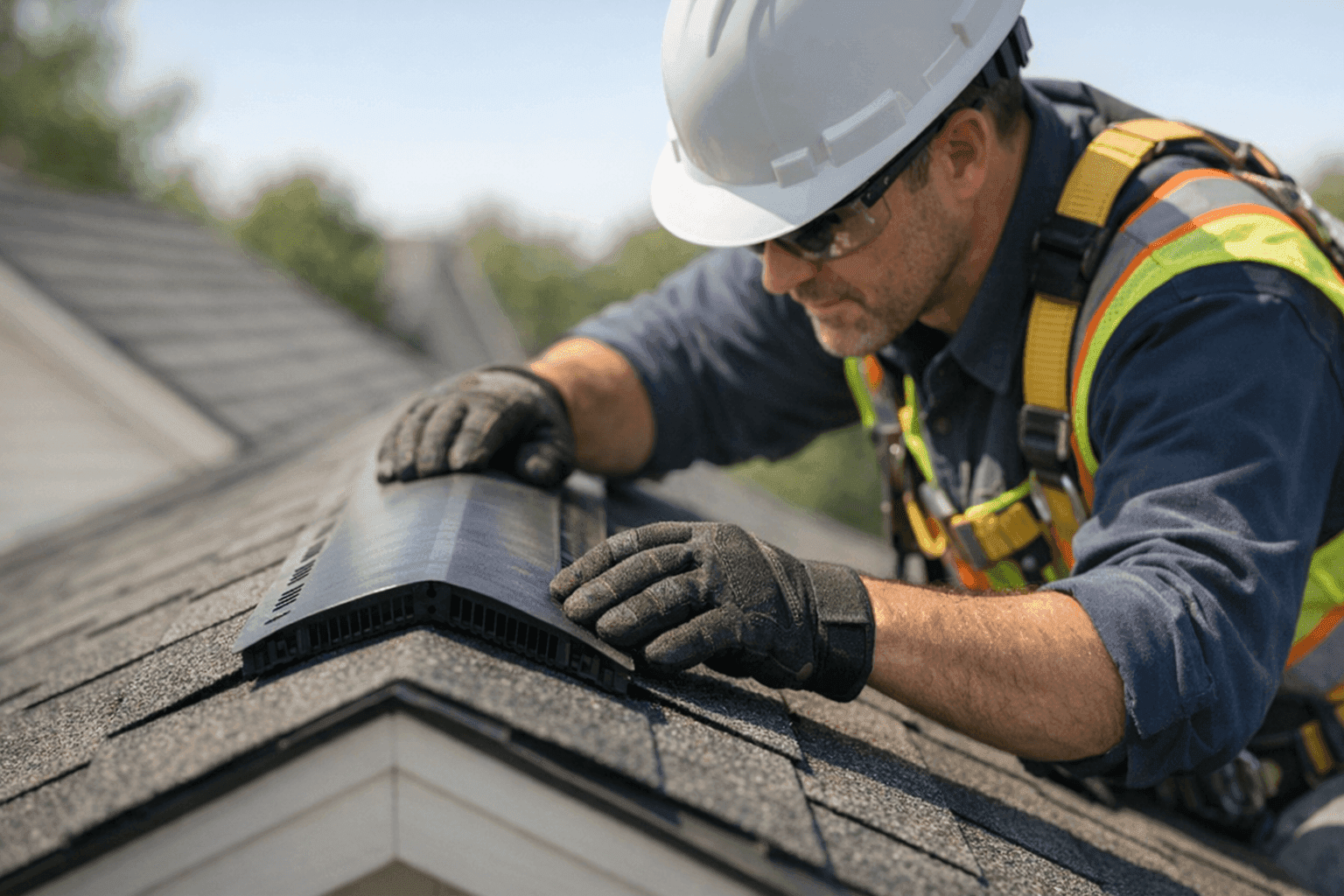
When you think about your roof, you probably picture shingles or tiles keeping the rain out. But there’s an invisible force at work up there, protecting your home from the inside: ventilation. When roof ventilation fails, your attic turns into a greenhouse in summer and a freezer in winter. That’s when headaches and home repairs start stacking up fast.
At Overhead Roofing, we see the results of poor ventilation every day. From warped decking to sky-high energy bills, the signs can sneak up quietly—until suddenly, they don’t. This guide is your map to understanding, spotting, and fixing roof ventilation issues before they become big problems.
Why Roof Ventilation Matters 🏡
Imagine your attic as your home’s lungs. Without enough airflow, everything gets stuffy and stale. In summer, trapped heat can soar past 150°F. That heat doesn’t just stay put—it seeps into your living spaces, making your AC work overtime and raising your energy bills. In winter, poor ventilation lets moisture build up, which can freeze, thaw, and rot the wood over time.
Proper roof ventilation:
- Extends the life of your roofing materials
- Prevents mold, mildew, and rot
- Reduces energy costs by balancing temperatures
- Helps avoid ice dams in snowy climates
- Keeps insulation dry and effective
The International Residential Code (IRC) and organizations like the Asphalt Roofing Manufacturers Association agree: balanced attic ventilation isn’t just nice to have—it’s essential for a healthy, long-lasting roof.
Types of Roof Ventilation
There’s no one-size-fits-all solution. Think of roof vents as a team, each with its specialty.
Ridge Vents
Ridge vents run along the peak of the roof. They let hot, humid air escape from the highest point, like a chimney for your attic. When paired with soffit vents, they create a natural flow—cool air in, hot air out.
Soffit Vents
Located under the eaves, soffit vents pull cool, fresh air into the attic. They’re the starting point for proper airflow. Without them, ridge vents alone can’t do their job.
Gable Vents
Mounted on the walls at the ends of the attic, gable vents work like open windows. They help air move side-to-side, especially in older homes. But they work best as a supporting player, not the main act.
Powered Vents (Attic Fans)
Sometimes, natural airflow needs a boost. Electric or solar-powered fans pull air out of the attic quickly. But be careful: if not installed and sized right, they can draw conditioned air from your living spaces or even backdraft gas appliances.
Signs of Poor Ventilation
Roof ventilation problems rarely announce themselves with a bang. Instead, watch for these warning signs:
- Hot or stuffy upstairs rooms, especially in summer
- Frost or condensation on attic rafters or insulation in winter
- Peeling paint or bubbling wallpaper indoors
- Ice dams forming along the roof edge after snow
- Mold or mildew smells in the attic or upper floors
- Rusty nails or metal components in the attic
- Warped roof decking or sagging rooflines
If you notice any of these, it’s time to take a closer look—or schedule Inspections with a professional.
Quick Safety Checklist Before You Inspect
Thinking of peeking into the attic? Safety first:
- Wear a dust mask and gloves. Attic air can be full of fiberglass and dust.
- Bring a flashlight—attics are dark, even on sunny days.
- Watch your step. Only step on joists or boards, never insulation.
- Avoid electrical wires and exposed nails.
If something looks unsafe, or you’re unsure what you’re seeing, step back and call Overhead Roofing.
DIY vs. Calling a Pro
Some ventilation fixes are simple. Replacing a missing vent screen or clearing debris from soffit vents is a good DIY project. But bigger jobs—like adding new vents or troubleshooting moisture issues—require know-how and safety precautions.
When to call a pro:
- You see mold or signs of water damage
- The attic is hard to access or has old wiring
- Structural repairs are needed
- You want to ensure code compliance
A professional roofing company has the tools, training, and experience to get your ventilation system right the first time. That means fewer headaches and a safer home.
What Pros Do When They Arrive
Here’s what to expect when Overhead Roofing shows up for a ventilation check:
- Attic Inspection: We look for signs of moisture, mold, and airflow blockages.
- Vent Calculation: Using building code guidelines, we calculate how much ventilation your roof needs based on attic size and roof slope.
- Check Intake and Exhaust: We make sure air can enter and exit freely—no blocked soffits or undersized ridge vents.
- Thermal Imaging (if needed): This can spot hot or cold spots, revealing hidden issues.
- Report and Recommendations: You get clear, actionable advice—no jargon, just what needs fixing and why.
Prevention & Maintenance Tips
A little attention goes a long way. Here’s how to keep your roof breathing easy:
- Clear debris from soffit and ridge vents at least twice a year.
- Trim trees and branches away from the roofline.
- Check attic insulation to make sure it isn’t blocking vents.
- Watch for condensation or wet spots after storms.
- Schedule regular roofing services if you live in areas with extreme weather.
Costs & Time Factors
Ventilation upgrades don’t have to break the bank. Here’s what influences cost:
- The number and type of vents needed
- Roof size and slope
- Accessibility of attic space
- Existing damage or mold that needs repair
Most basic vent installations or repairs take a few hours to a day. Larger projects—like full attic ventilation system upgrades—can take a bit longer, especially if structural changes are needed.
When It’s an Emergency
Some ventilation problems can’t wait. If you spot:
- Active leaks or water dripping into the attic
- Mold spreading quickly
- Ice dams causing interior leaks
Call us for Roof Repair right away. Fast action can help prevent bigger, costlier damage.
Common Ventilation Mistakes
Even well-meaning DIYers can make things worse. Watch out for:
- Blocking soffit vents with insulation
- Mixing different types of exhaust vents (which can short-circuit airflow)
- Installing too few or too many vents
- Forgetting about intake vents—exhaust alone doesn’t work
Stick to manufacturer and building code recommendations. When in doubt, ask for help.
Timeline & Disruption
Worried about mess or chaos? Most ventilation fixes are minimally disruptive. Small jobs are often done in a day, with little impact inside your home. For larger upgrades, you might hear some noise or see workers moving materials, but we aim to keep things tidy.
Materials and Equipment
Quality matters. At Overhead Roofing, we use durable, code-approved materials for every job—whether you need new ridge vents, upgraded soffits, or attic fans. We match materials to your home’s roofing system, whether it’s shingle, metal, or Tile Roofing near you.
Seasonal Considerations
Ventilation isn’t just a summer issue. In winter, poor airflow causes condensation and ice dams. In spring and fall, it helps dry out attic moisture from rainy weather. Make checking your vents part of your seasonal home maintenance routine.
FAQ: Roof Ventilation
Q: How much ventilation does my roof need?
A: Building codes generally call for 1 square foot of ventilation for every 150 square feet of attic space, split between intake and exhaust. Your roof’s unique shape may need adjustments.
Q: Can poor ventilation void my roof warranty?
A: Absolutely. Many manufacturers require proper ventilation for warranty coverage.
Q: What’s the best vent type for my home?
A: It depends on your roof’s shape, attic size, and insulation. A professional inspection is the safest way to find out.
Ready for a Healthier Home?
Roof ventilation isn’t just about comfort. It’s about protecting your investment, your health, and your peace of mind. If you’re unsure where to start, Overhead Roofing is here to help—whether you need a quick check, a full upgrade, or emergency repairs.
Call Overhead Roofing now — or reach us anytime at 855-554-4704 .