The Complete Guide to Roof Storm Damage Restoration
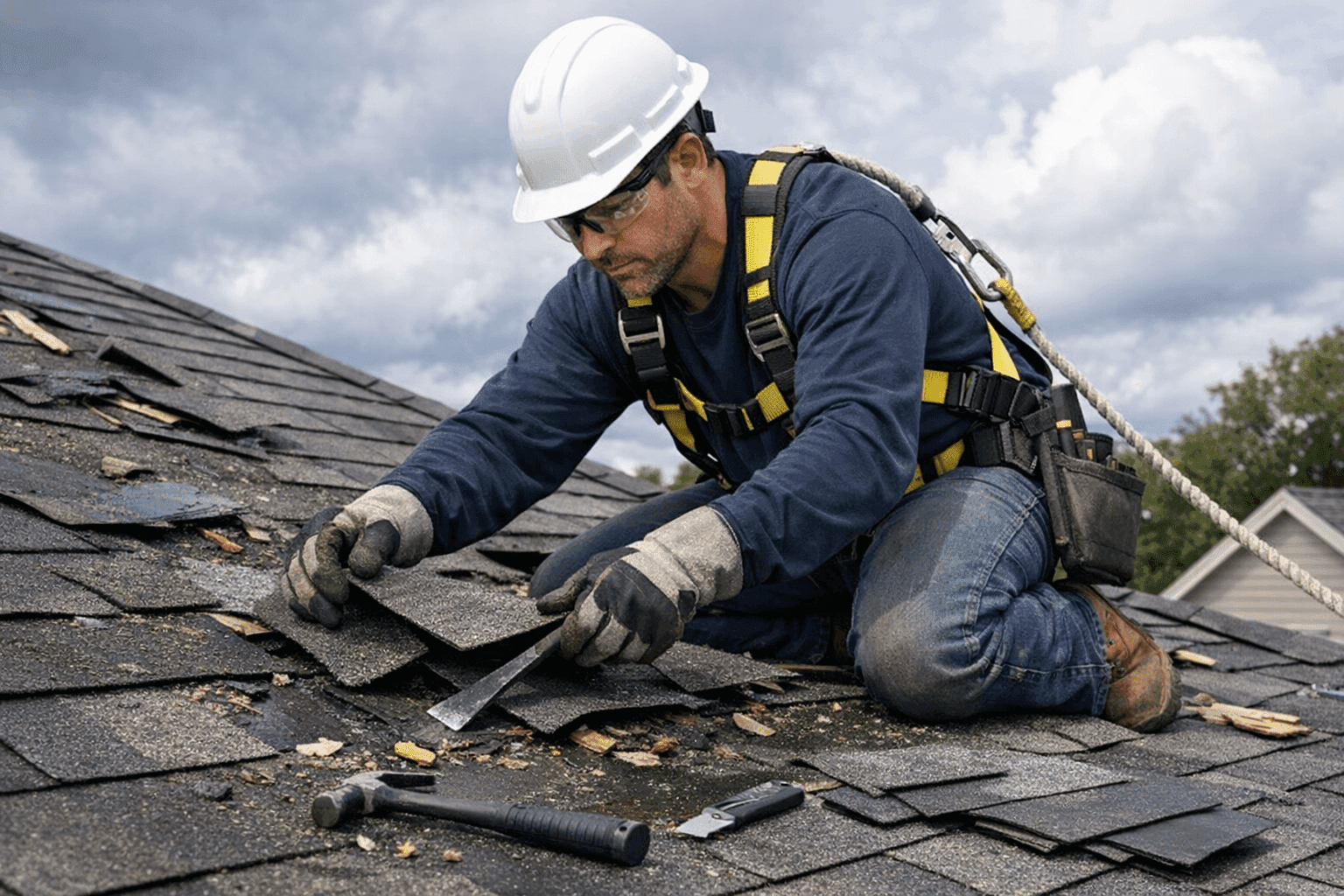
When storms hit, your roof is your home’s first line of defense. It takes the brunt of the wind, rain, hail, and flying debris. But what happens when that shield takes a hit? The aftermath can feel overwhelming—questions pile up just as fast as the damage does.
At Overhead Roofing, we know how confusing roof storm damage can be. This guide is your clear, no-nonsense roadmap. From the first signs of trouble to the final shingle, we’re here to help you reclaim safety and peace of mind.
What Is Storm Damage Restoration?
Storm damage restoration means more than patching up leaks or replacing a few loose shingles. It’s a full process, like putting your home’s armor back together—stronger and more reliable than before.
Storms can cause:
- Cracked or missing tiles on tile roofing
- Torn or blown-off shingles on asphalt roofs
- Leaks at skylights or flashing
- Dented or bent gutters and downspouts
- Hidden damage to decking or insulation
Restoration blends assessment, repair, and prevention. It’s about restoring safety, comfort, and value to your home, not just fixing what’s visibly broken. 🏠
Quick Safety Checklist After a Storm
Before you grab a ladder or start snapping photos, take a breath. Your safety comes first.
- Stay on the ground. Don’t climb on a wet or damaged roof.
- Check for downed power lines. Call utility services if you see any.
- Look for debris. Avoid branches or sharp objects near your home.
- Smell gas or see sparks? Evacuate and call authorities.
If you spot signs of severe roof damage—like sagging ceilings or water pouring in—evacuate and contact emergency services.
Signs Your Roof Needs Immediate Attention
Sometimes the signs are obvious: a branch through your attic, or shingles scattered across your yard. Other times, clues are subtle.
Watch for:
- Water stains on ceilings or walls
- Dripping sounds or musty odors in the attic
- Granules from shingles in gutters
- Daylight visible through roof boards
- Bent, dented, or missing flashing around chimneys and vents
If you see any of these, it’s time to consider Roof Repair.
Should You DIY or Call a Professional?
It’s tempting to patch up minor issues yourself. But roofing is a lot like fixing a leak in a dam—sometimes what looks small is just the tip of the iceberg.
DIY may be okay for:
- Clearing debris from gutters (if you can do so safely)
- Replacing a few loose shingles, if you’re experienced
Call a pro for:
- Structural concerns or large leaks
- Major shingle, tile, or decking loss
- Skylight or flashing damage
- If you’re unsure about the full extent
Your safety is worth more than a weekend project. Overhead Roofing’s team is trained and equipped for storm damage restoration—even on steep or slippery roofs.
Steps from Damage Assessment to Restoration
Restoring your roof after a storm is a step-by-step journey. Here’s how it typically unfolds:
1. Visual Inspection
A professional will walk your property, looking for:
- Missing, cracked, or curled shingles or tiles
- Damaged gutters, downspouts, and vents
- Debris impact points, such as fallen branches
- Water stains and signs of leaks inside
For a thorough check, see our Inspections page.
2. Detailed Assessment
Roofing specialists use ladders, drones, and even moisture meters to spot hidden damage. They’ll document everything with photos and notes—essential for insurance claims.
3. Emergency Repairs
Tarping and temporary fixes stop leaks and prevent further water intrusion. Think of it as putting a bandage on a wound until full treatment can begin.
4. Comprehensive Repair Plan
You’ll get a written plan outlining:
- What needs fixing (shingles, flashing, gutters, etc.)
- Materials required (asphalt, tile, metal, etc.)
- Estimated timeline and costs
5. Restoration Work
The real rebuilding begins—damaged sections are removed, new materials installed, and all code/safety guidelines (per the International Building Code and local ordinances) are followed.
6. Final Inspection and Cleanup
No nails left behind. No debris in your yard. The crew does a walk-through with you, answering questions and making sure you’re satisfied.
Navigating the Insurance Process
Insurance paperwork can make anyone’s head spin. But it’s an important part of storm recovery.
- Document everything. Take photos of all visible damage—inside and out.
- Save receipts. Keep records for emergency repairs, tarping, and cleanup.
- Contact your insurer early. They may send an adjuster for their own inspection.
- Get written estimates. Detailed documentation from a roofing contractor helps support your claim.
Remember, your policy may have time limits for claims. The National Roofing Contractors Association recommends acting quickly after severe weather.
What Pros Do On Arrival
When Overhead Roofing arrives, we’re not just looking for broken shingles. Our team:
- Checks for hidden water intrusion
- Inspects attic insulation and ventilation
- Tests skylights, chimneys, and flashing for leaks
- Looks for signs of structural weakness
- Evaluates gutters, downspouts, and drainage
Our goal: find every issue, not just the obvious ones.
Roof Restoration Materials and Techniques
Storm repairs can involve a mix of materials and skills:
- Asphalt shingles: Replaced and matched for color
- Tile roofing: Broken tiles swapped out, underlayment checked
- Flashing: Resealed or replaced to prevent future leaks
- Sealants and coatings: Applied to vulnerable seams
- Decking: Reinforced if water has soaked through
Each material has its quirks. For example, tile roofing near you may require special handling to avoid further breakage.
Timeline and What to Expect
Restoration timelines vary. Here’s a general sense:
- Inspection and emergency repairs: 1–2 days
- Insurance process: 1–2 weeks (varies widely)
- Full restoration: 2–7 days, depending on extent
Bad weather, back-ordered materials, or city permits can stretch the schedule. Your contractor should keep you updated every step.
Costs and Budgeting Factors
Every storm—and every roof—is different. Costs depend on:
- Extent of damage (surface vs. structural)
- Roof type (shingle, tile, flat, metal)
- Materials and labor
- Emergency vs. scheduled repairs
Pro tip: Don’t delay small repairs. A minor leak today can become major (and pricier) damage after the next storm.
When It’s an Emergency
Some situations can’t wait:
- Heavy water pouring in
- Sagging ceilings or bulging walls
- Electrical hazards from water leaks
- Signs of structural collapse
If you’re in immediate danger, leave the house and call 911. When it’s safe, reach out for emergency storm-damage-restoration services.
Seasonal Considerations
Storm damage isn’t just a springtime problem. Summer brings hail, fall and winter bring wind and ice. After any major weather event, a quick visual check is smart.
- Spring: Hail and heavy rain can harm shingles and gutters.
- Summer: Heat and UV can warp or blister roofing materials.
- Fall: Wind and flying debris often damage flashing and tiles.
- Winter: Freeze and thaw cycles can open up tiny leaks.
Schedule regular inspections to catch issues early.
Common Mistakes to Avoid
Don’t let these pitfalls turn a bad situation worse:
- Waiting too long to assess damage
- Trying risky DIY repairs on steep or slippery roofs
- Ignoring small leaks (“out of sight, out of mind” never works for roofs)
- Failing to document damage for insurance
A stitch in time saves nine—and a quick call to a proven roofing company can save you stress and money.
Preventing Future Storm Damage
You can’t control the weather, but you can give your roof its best shot at survival.
- Schedule regular roof inspections—especially after storms
- Keep gutters, downspouts, and valleys clear of debris
- Trim overhanging tree branches
- Check and maintain skylights, flashing, and roof vents
- Invest in quality materials and professional installation
For eco-friendly options and upgraded storm resistance, ask about modern sealants and coatings.
FAQ: Your Storm Damage Questions Answered
How do I know if my roof is safe after a storm?
If you see leaks, sagging, or hear dripping, get a professional inspection.
Will insurance cover all types of storm damage?
Policies vary. Most cover wind and hail, but not all cover flooding. Review your policy or ask your agent.
How soon should repairs be made?
As soon as safely possible. Delays can worsen damage and complicate insurance claims.
Why Overhead Roofing for Your Roof’s Recovery?
We believe every homeowner deserves a safe, dry roof over their head—no matter what Mother Nature throws your way. From emergency repairs to full restoration, our team brings decades of hands-on experience, careful attention, and a friendly face to every job.
If you’re searching for reliable roofing services or a roofing contractor you can count on after the next storm, reach out. Your home’s recovery starts here.
Call Overhead Roofing now — or reach us anytime at 855-554-4704 .