The Complete Guide to Roof Leak Prevention for Homeowners
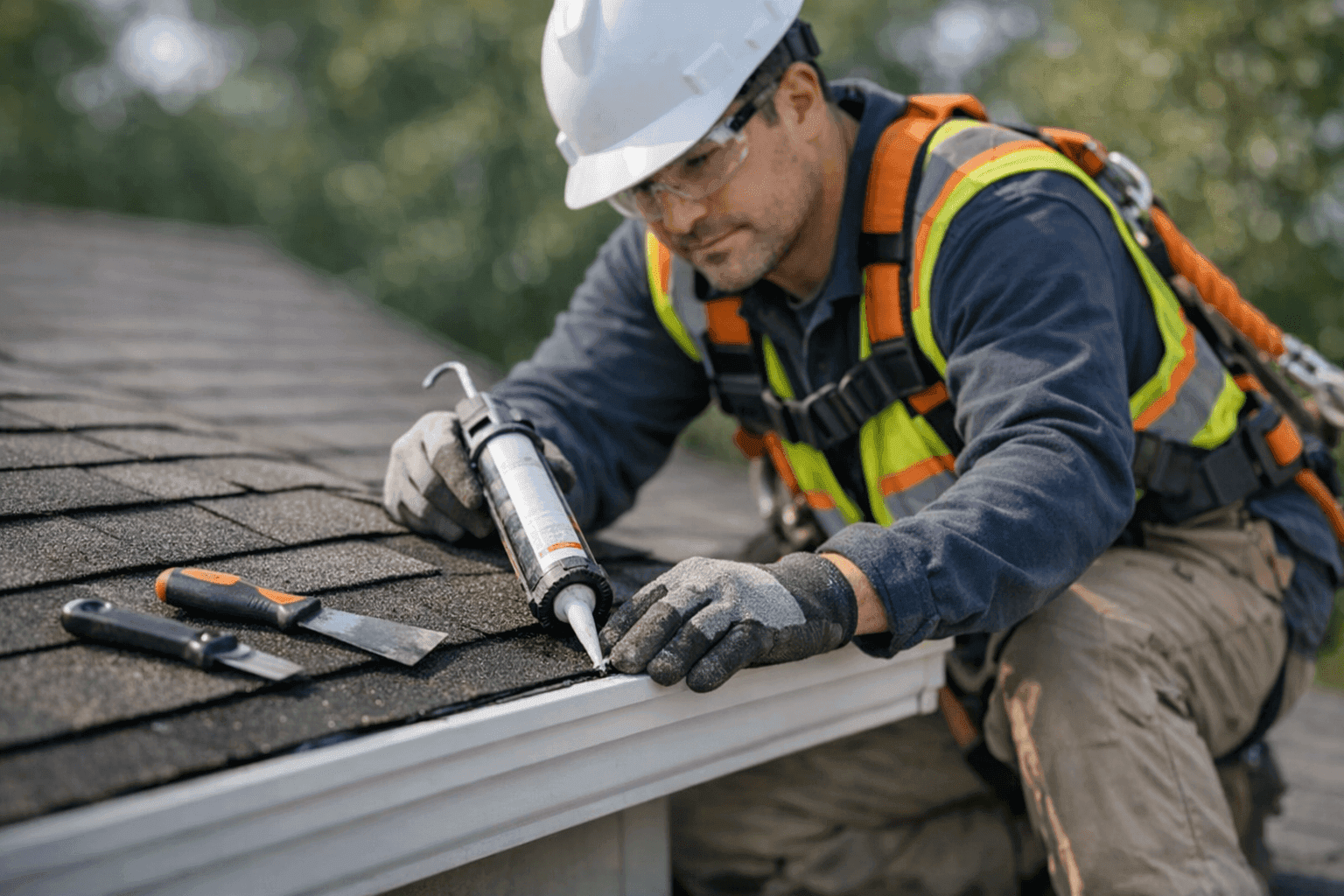
Is there anything more stressful than hearing the drip of water inside your home during a rainstorm? For homeowners, roof leaks are more than a nuisance. They can lead to costly repairs and long-term damage. At Overhead Roofing, we know how quickly a small leak can grow into a major headache.
This guide is designed for you—the homeowner who wants to keep your house dry, comfortable, and protected. With decades spent on roofs, we've seen what works and what doesn't. Let's make roof leak prevention simple, practical, and achievable.
Why Leaks Happen
Roofs are like shields. They face sun, wind, rain, snow, and hail—all year long. Over time, even the strongest shield can develop weak spots. Here’s why leaks start:
- Aging Materials: Shingles, tiles, or membranes break down from years of sun and weather.
- Improper Installation: Small mistakes during installation—like misaligned shingles or missing flashing—can leave gaps.
- Clogged Gutters: Water backs up and seeps under roofing materials.
- Damaged Flashing: Flashing is the thin metal that seals edges, valleys, and penetrations. When it rusts or lifts, water finds a way in.
- Storm Damage: Wind can lift shingles. Hail can crack tiles. Flying debris can puncture membranes.
- Poor Ventilation: Trapped moisture inside your attic can cause rot and mold, weakening the structure.
Think of your roof as a raincoat. If there’s a tear or a missing button, water sneaks in. The same goes for missing shingles, loose nails, or cracked sealant.
Key Leak Prevention Steps
Preventing leaks takes a blend of vigilance, care, and a little elbow grease. Here’s what really works:
Regular Inspections 🧐
Schedule roof inspections at least twice a year, ideally in spring and fall. Look for:
- Missing or curling shingles
- Cracked tiles
- Rusted or loose flashing
- Clogged or sagging gutters
- Moss or algae growth
Don’t forget to check your attic. Wet insulation, water stains, or a musty smell can hint at trouble above.
Professional inspections go deeper. Experts spot hidden issues you might miss, using their experience and the right tools.
Preventative Maintenance
A little maintenance goes a long way. Here’s what you can do:
- Clean leaves and debris from gutters and downspouts
- Check for loose or missing shingles after big storms
- Reseal around chimneys, vents, and skylights regularly
- Trim back tree branches that scrape or shade the roof
Looking for help? Preventative Maintenance services can extend your roof’s life and catch problems before they leak.
Gutter Care
Gutters are the unsung heroes of your roof. If they’re clogged, water can overflow, pool, and cause leaks. Clean them every spring and fall—or more often if you have heavy tree cover.
Check for:
- Blocked downspouts
- Loose or leaking gutter joints
- Sagging sections
Install gutter guards if you want to cut down on cleaning. But even then, a quick visual check after storms helps.
Seasonal Leak Prevention Checklist
Every season brings its own roof challenges. Here’s how to stay ahead:
Spring
- Inspect shingles, tiles, and flashing for winter damage
- Clear gutters of winter debris
- Look for signs of leaks or water stains in your attic
Summer ☀️
- Check for cracked or blistered shingles from heat
- Trim overhanging branches, as summer storms can break them
- Inspect sealant around skylights, chimneys, and vents
Fall
- Clean gutters and downspouts after leaves drop
- Check for loose flashing before winter storms
- Schedule a professional inspection if you haven’t already
Winter
- Watch for ice dams—mounds of ice at the roof edge that block melting snow from draining
- Use a roof rake to remove heavy snow (from the ground)
- Keep attic insulation and ventilation in good shape to prevent condensation
The Most Common Leak-Prone Areas
Some spots are leak magnets—year after year, we see issues in these zones:
- Valleys: Where two roof planes meet, water flows fast and collects.
- Chimneys: Cracks in flashing or mortar let water seep inside.
- Skylights: Old seals or improper installation can leak.
- Vents and Pipes: Rubber boots wear out and split.
- Eaves and Edges: Ice dams form here in winter, backing up water.
Regularly scan these areas, especially after severe weather.
Warning Signs: Don’t Ignore These Clues
Leaks rarely announce themselves with a dramatic waterfall. Instead, they whisper—until it’s too late. Watch for:
- Stains or discoloration on ceilings or walls
- Peeling paint or bubbling drywall
- Musty odors in the attic
- Dripping sounds during rain
- Crumbling mortar around chimneys
- Daylight showing through attic boards
Catch these early, and you’ll avoid bigger headaches down the road.
DIY or Call a Pro?
Some tasks are safe and straightforward, like cleaning gutters or trimming small tree branches. But climbing a roof, replacing flashing, or diagnosing hidden leaks? That’s risky.
It’s smart to call a roofing contractor if:
- You see missing or damaged shingles up high
- There are repeated leaks or water stains
- The roof is steep, slippery, or two stories up
- You’re unsure of the problem’s source
Your safety matters more than anything. The pros at Overhead Roofing have the training and gear to handle it—rain or shine.
What Happens During Professional Leak Repair?
When you call in the cavalry, here’s what to expect:
- Thorough Inspection: Roofers check outside and inside, tracing the leak’s path.
- Diagnosis: They pinpoint the weak spot—shingle, flashing, vent, or sealant.
- Targeted Repair: The damaged area is fixed, sealed, or replaced. If it’s widespread, a larger section may need attention.
- Testing: They may use water to ensure the leak is truly gone.
- Cleanup: No mess left behind.
Our leak repair service is built on years of experience, using best practices from the National Roofing Contractors Association and up-to-date safety codes.
Emergency Leaks: What to Do Right Now
Sometimes, leaks strike at the worst possible time—storm raging, water pouring in. Here’s a safe action plan:
- Move valuables and electronics away from the drip
- Place buckets or towels to catch water
- If safe, poke a small hole in a bulging ceiling to relieve pressure (use a screwdriver, gently)
- Never climb onto a wet or icy roof
- Call Overhead Roofing for emergency help
We’re ready for the unexpected, day or night.
Costs and Time Factors
Small repairs—like replacing a few shingles or resealing a vent—are usually quick and affordable. Larger leaks, structural repairs, or full roof replacements cost more and take longer.
Factors that affect costs:
- Roof material (tile, shingle, metal, flat)
- Extent of water damage
- Accessibility (height, slope, obstacles)
- Emergency vs. scheduled repairs
Regular maintenance is the cheapest insurance you can buy for your roof. It’s the difference between patching a tiny hole and replacing a whole ceiling.
How Long Will Repairs Disrupt My Life?
Most small repairs take a few hours. Bigger jobs can last a day or more, but experienced crews keep disruption to a minimum. You may hear some noise and foot traffic above, but inside, life goes on.
For major work, like a full replacement, plan for a few days of commotion. We always keep safety—yours and ours—at the forefront, following OSHA and local building codes.
Common Mistakes to Avoid
- Ignoring small stains or drips—early action is easiest
- Using caulk or tar as a long-term fix (they’re temporary)
- Walking on the roof when wet or icy
- Power washing shingles (it can strip protective granules)
- Skipping regular gutter cleaning
Remember, prevention is always easier than the cure.
Materials and Equipment Matter
The right materials mean fewer leaks, longer roof life, and less worry. At Overhead Roofing, we use:
- Premium shingles, tiles, or metal—matched to your climate
- High-quality underlayment for extra moisture protection
- Rust-resistant flashing at all joints and edges
- Sealants designed for extreme weather
Always ask your roofer about the products they use. Good materials today save cash (and stress) tomorrow.
Eco-Friendly Leak Prevention
Want to go green? Eco-friendly options like cool roofing materials, recycled shingles, and rainwater management systems can prevent leaks and reduce your home’s environmental impact. Ask us about sustainable choices for your next project.
When to Call for Help 📞
If you spot signs of leaks, water stains, or suspect hidden damage, don’t wait. Some problems can’t be solved with a caulk gun or a ladder. Overhead Roofing is here to help with:
- Leak repair and diagnostics
- Full roofing services for any issue—big or small
- Preventative maintenance and safety-focused inspections
Left unchecked, leaks won’t just damage your roof. They can threaten your home’s structure, your health, and your peace of mind.
Roof Leak Prevention: The Takeaway
A dry, sturdy roof is the backbone of a safe home. With regular inspections, smart maintenance, and timely repairs, you can keep leaks at bay. Overhead Roofing has helped countless homeowners stay leak-free—no matter what the weather brings.
Don’t let a drip become a disaster.
Call Overhead Roofing now — or reach us anytime at 855-554-4704 .