The Complete Guide to Gutter Installation for Homeowners
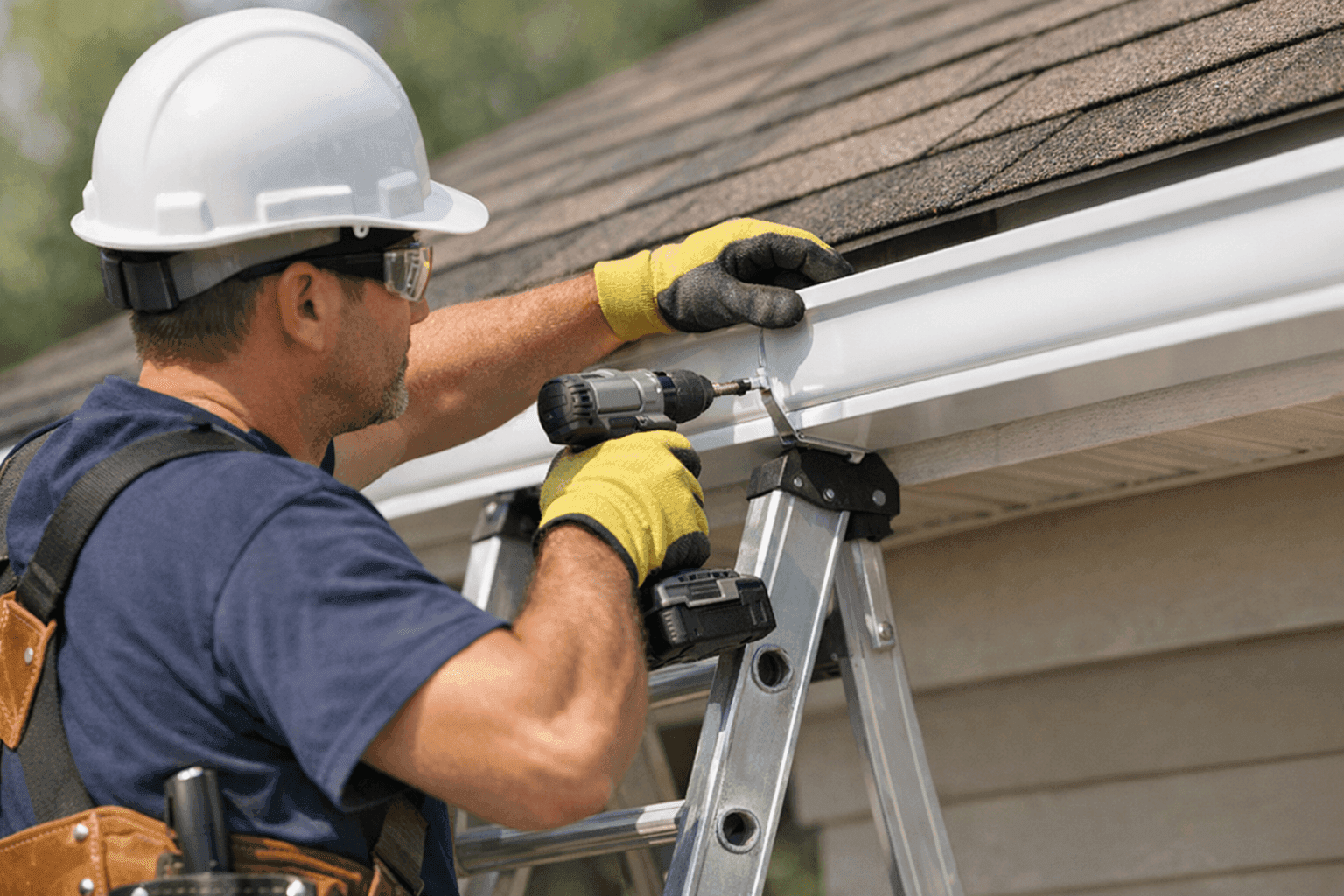
Every homeowner knows the feeling. The rain starts to pour, and you wonder: are the gutters up to the task? At Overhead Roofing, we've seen the headaches a neglected or poorly installed gutter system can cause—damage that sneaks in, drip by drip, until you’re staring at costly repairs.
Whether you’re building new, replacing old gutters, or wondering if yours are working right, a good gutter system is as important as a sturdy front door. This guide gives you the know-how to plan for perfect gutter installation—before the next storm does its worst.
Why Gutters Matter 🌧️
Think of your gutters as your home's raincoat. Without them, water pours right off the roof, splashing against walls, soaking the foundation, and turning mulch beds into muddy messes. Over time, this can erode soil, rot siding, and even crack your foundation.
Gutters aren’t flashy, but they’re your first line of defense against water damage. The U.S. Department of Housing and Urban Development (HUD) even recommends proper guttering as a core part of any home’s water management plan. Skip them, and you risk far more than a little puddle by the front step.
Choosing the Right Gutter Size and Material
Gutters aren’t one-size-fits-all. Think of them like shoes—too small, and you’ll get soaked; too big, and they just look odd. The right size depends on your roof’s area and pitch. For most homes, 5- or 6-inch K-style gutters do the trick, but larger roofs or steep slopes might call for wider channels.
Material matters, too:
- Aluminum: Lightweight, rust-resistant, and affordable. A classic choice.
- Copper: Eye-catching and durable but costs more—think of it as the “architect’s pick.”
- Vinyl: Inexpensive, easy to install, but less durable in harsh climates.
- Steel: Strong and long-lasting, but may rust if not treated.
When in doubt, ask a professional. Overhead Roofing can help you match gutter size and material to your home’s unique needs—especially if you have special roof types, like Tile Roofing near you, or need to coordinate with existing downspouts.
Step-by-Step Installation Process 🛠️
Installing gutters isn’t magic, but it does take planning, precision, and the right tools. Here’s how the pros at Overhead Roofing approach a typical gutter installation:
- Measure Twice: Carefully measure the roof edge. Don’t eyeball it—precision here saves headaches later.
- Slope Calculation: Gutters need a slight pitch (about 1/4 inch for every 10 feet) to keep water flowing toward the downspouts.
- Bracket Placement: Secure brackets no more than 24–36 inches apart. Loose brackets mean sagging gutters—and trouble.
- Cut and Join Sections: Fit gutter sections together, sealing joints with weatherproof sealant.
- Install Downspouts: Place downspouts at corners and low points. Redirect water safely away from your foundation.
- Test the System: Pour water into the gutter and check for leaks or pooling. Adjust as needed.
If you’re not comfortable on ladders or with power tools, it’s safer to call in the pros. Safety always comes first.
Quick Safety Checklist
Before you (or anyone) climbs a ladder:
- Inspect your ladder for damage.
- Wear slip-resistant shoes.
- Never work alone—someone should always spot you.
- Be mindful of overhead power lines.
The National Safety Council reports over 500,000 ladder-related injuries each year. Take your time and don’t take chances.
DIY vs. Call a Pro
It’s tempting to tackle gutter installation on your own. After all, it looks straightforward. But even a small miscalculation can lead to leaks, sagging, or worse—structural water damage.
DIY might work if:
- Your home is one story.
- You have basic carpentry skills.
- You’re comfortable with heights.
Call a pro if:
- Your roof is steep or more than one story high.
- You want seamless gutters (which require special equipment).
- You notice signs of rot, mold, or structural issues.
Overhead Roofing’s team has all the right tools and knowledge for a smooth, safe installation. We handle everything from Gutter Installation to Downspout Installation.
What Pros Do On Arrival
When we show up for a gutter job, here’s what happens:
- Thorough inspection: We check the roofline, fascia, and soffits for damage.
- Custom measurements: No guessing—just exact numbers.
- Material delivery: All parts are prepped and ready.
- Clean worksite: We keep your yard tidy and safe.
A professional touch saves time and reduces the risk of costly mistakes.
Costs & Time Factors
Gutter installation costs can vary based on:
- Linear feet needed
- Gutter material
- Home’s height and roof complexity
- Existing damage or repairs required
Most residential jobs take one to two days. For a rough estimate, expect to pay more for copper or specialty gutters, less for aluminum or vinyl. Always factor in extras like gutter repair or new downspouts.
When It’s an Emergency
If water is pouring over the side, your basement is damp, or you see staining on walls—act fast. These are warning signs of failing gutters. Emergency services are available, and sometimes a quick repair can prevent bigger headaches, like mold or foundation cracks.
Seasonal Considerations 🍂
Leaves in autumn, ice in winter, storms in spring—gutters face it all. Consider gutter guards if your home is surrounded by trees. Schedule cleaning and inspections twice a year: once in spring, once in fall.
For snow-heavy areas, make sure gutters and downspouts are clear before the first freeze. Blockages cause ice dams, which can rip gutters right off the house.
Common Mistakes to Avoid
- Ignoring the slope: Flat gutters won’t drain.
- Spacing brackets too far apart: This leads to sagging.
- Using the wrong sealant: Only use products rated for outdoor, wet conditions.
- Failing to check for rot: Don’t install new gutters on damaged fascia or soffits.
Learning from others’ missteps can save you time and money.
Signs of Trouble
Watch for:
- Gutters pulling away from the house
- Water stains on siding or foundation
- Rust or peeling paint on gutters
- Puddles or erosion near the home
Address issues early to avoid more serious damage.
Timeline & Disruption
A typical gutter installation is quick and minimally disruptive. Most projects wrap up in a day or two. You may hear some hammering, but the mess is contained.
If you’re planning a larger project—like combining gutter work with a new roof or roofing services—expect a slightly longer timeline.
Materials & Equipment
Pros use specialized tools:
- High-quality sealants
- Pop rivets and screws (not nails)
- Heavy-duty brackets
- Downspout elbows and extenders
Homeowners shouldn’t skimp on materials. Cheap parts can fail after just a season or two.
Prevention & Maintenance
Installed gutters aren’t “set and forget.” Here’s what keeps them working:
- Clean twice a year, more often if you have pine or oak trees nearby.
- Check for loose brackets after storms.
- Inspect for rust or peeling paint.
- Make sure downspouts are clear and divert water at least 6 feet from the foundation.
Pro tip: Schedule a routine inspection with Overhead Roofing to spot small problems before they become big ones.
FAQ
How often should gutters be replaced?
Most last 20–30 years with proper care, though vinyl may wear out sooner.
Can I install gutters on a flat roof?
Yes—with proper pitch and downspout placement. Flat roof systems often require custom solutions.
Are there eco-friendly gutter options?
Absolutely—aluminum is recyclable, and some products are made from recycled materials.
Gutter Installation in Independence
Looking for reliable Gutter Installation in your area? Overhead Roofing brings years of hands-on experience to every job—so your home stays dry, safe, and worry-free, all year long.
Final Thoughts
Gutters may be out of sight, but they should never be out of mind. The right system, installed and maintained, protects your investment and keeps headaches at bay. Whether you’re considering a DIY project or want professional results, Overhead Roofing is ready to help.
Call Overhead Roofing now — or reach us anytime at 855-554-4704 .