The Complete Guide to Downspout Installation for Homes
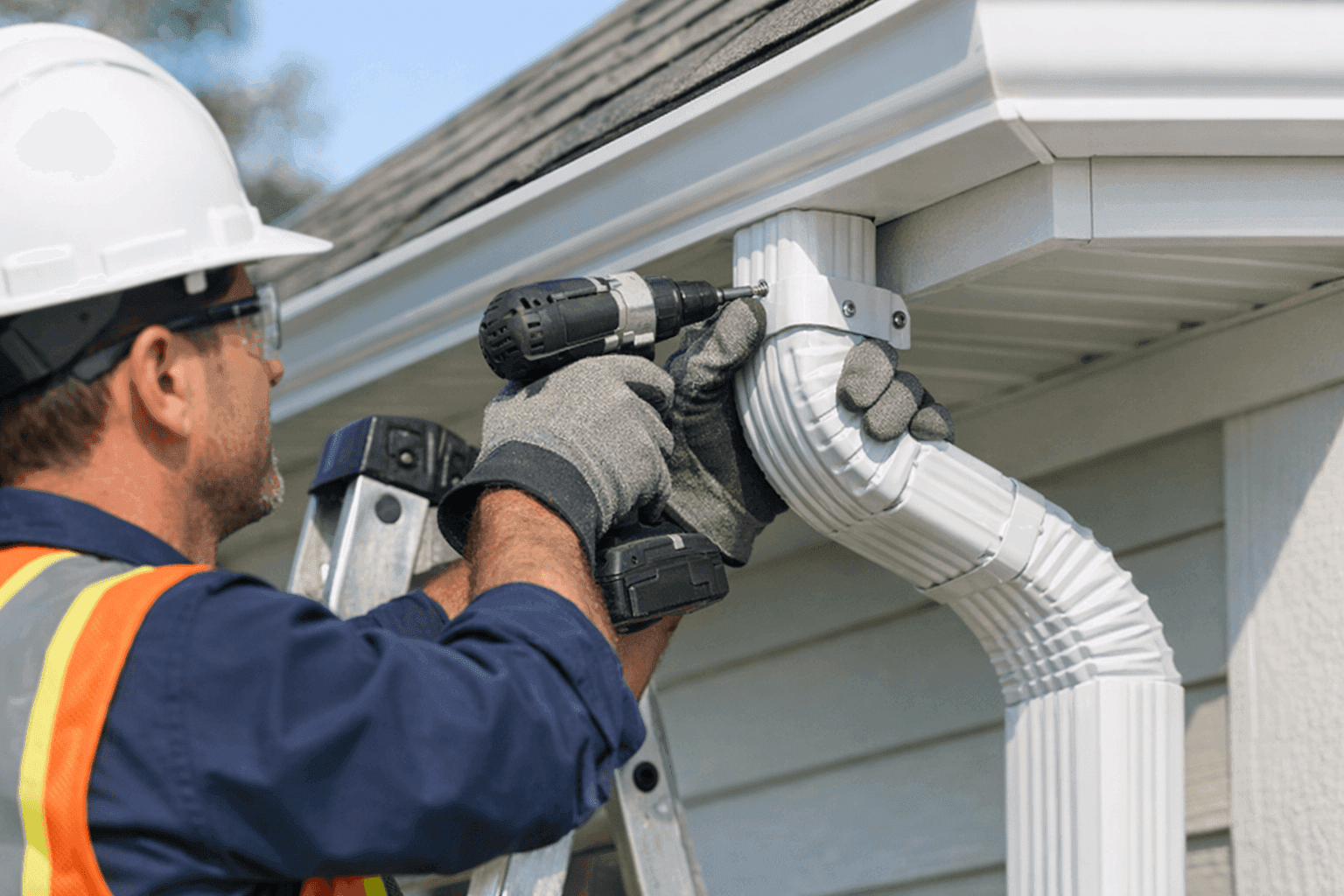
Keeping your home dry isn’t just about having a good roof overhead. It’s about where the water goes when the rain comes pouring down. Downspouts are your quiet defenders—directing water away from your foundation, siding, and landscaping.
Miss this crucial step in your roofing system, and you may be setting yourself up for costly repairs. At Overhead Roofing, we’ve seen firsthand how proper downspout installation can mean the difference between a healthy, dry home and one plagued by dampness and decay.
Why Downspouts Matter for Homes 🏡
Picture your roof as an umbrella for your house. Rainwater flows off the shingles, into the gutters, and—if all is well—down the spouts and safely away from your home. If a downspout is missing, clogged, or too short, water pools near the foundation. Over time, this can seep into basements, erode soil, and even crack concrete.
According to the International Association of Certified Home Inspectors (InterNACHI), improper drainage is one of the leading causes of basement leaks and foundation issues in residential properties. Good downspouts are not just helpful—they’re essential.
Choosing and Sizing Downspouts
Not all downspouts are created equal. Just like a raincoat that’s too small can leave you soaked, undersized downspouts can’t keep up with heavy rainfall. Here’s what to consider:
- Material: Aluminum, galvanized steel, copper, and vinyl are common. Each has pros and cons for cost, durability, and aesthetics.
- Size: Most homes use 2"x3" or 3"x4" rectangular downspouts, but large or steep roofs may need bigger spouts or multiple lines.
- Capacity: A general rule: One downspout per 40 feet of gutter, but local rain patterns and roof pitch matter. For example, areas with frequent storms may need additional outlets.
Check local building codes or the International Residential Code (IRC) for specifics. A professional roofing contractor will factor in these requirements during Downspout Installation.
The Installation Process: Step by Step
Thinking of tackling downspout installation yourself? Here’s a high-level overview, but safety and quality matter—sometimes it’s best to call in the pros.
- Plan Placement: Downspouts should discharge water at least 6 feet from the foundation. Avoid walkways and direct run-off away from landscaping and decks.
- Measure and Cut: Use a tape measure for precise lengths. Downspout elbows and extensions help navigate tricky corners.
- Attach Outlets: Securely fasten the downspout outlet to the gutter base using screws or rivets.
- Connect Downspouts: Slide sections together, fasten with screws, and seal joints with weather-resistant sealant to prevent leaks.
- Secure to Wall: Attach brackets every 4 feet to keep the spout firmly in place.
- Add Extensions: Consider splash blocks or flexible extensions to carry water even further from your home.
Refer to OSHA ladder safety guidelines before starting any work at height.
Quick Safety Checklist
Before you grab your tools, review this list:
- Inspect ladders for damage before use.
- Wear gloves—sharp metal edges can cause injury.
- Never install downspouts near overhead power lines.
- If working above the first story, consider professional help.
Remember: Water runs downhill, but safety should always come first.
DIY vs. Professional Help
Some homeowners enjoy a Saturday project. Others prefer peace of mind. Here’s how to decide:
- DIY is possible for ground-level, single-story homes with straightforward layouts.
- Call a professional for multi-story homes, complex rooflines, or when tying into existing drainage systems.
Professionals from Overhead Roofing can assess your whole gutter and downspout system, ensuring seamless integration and code compliance. Plus, we’re equipped to handle everything from Gutter Installation to storm damage restoration.
What Pros Do On Arrival
A reputable roofing company doesn’t just slap on new downspouts and call it a day. Our process includes:
- Inspecting gutter slope and attachment points
- Evaluating roof runoff patterns
- Recommending optimal downspout quantity and placement
- Using high-quality materials matched to your home’s climate
- Testing the finished system with water to confirm proper flow
We also check for early signs of gutter or fascia damage, which can affect drainage.
Prevention & Maintenance: Keep Water Flowing
Downspout installation isn’t a one-and-done job. Here’s how to keep your system working:
- Clean gutters and downspouts twice a year (spring and fall) to prevent clogs.
- Flush with water using a hose to clear debris.
- Inspect joints and brackets for rust or looseness.
- Watch for leaks—stains on siding or puddles near the foundation mean water’s not moving where it should.
Regular Downspout Repair can add years to your system’s life.
Seasonal Considerations
A downspout that works well in summer may struggle come autumn. Falling leaves, ice, and sudden storms can put your system to the test.
- Autumn: Install gutter guards to keep out leaves.
- Winter: Ensure downspouts are clear before freezes to prevent ice dams.
- Spring: Check for winter damage, especially leaks at joints or elbows.
Signs of Downspout Trouble
Keep your eyes peeled for these issues:
- Water spilling over gutters during rain
- Mold or mildew on siding
- Erosion or puddling near the foundation
- Sagging or disconnected downspout sections
Early intervention saves money and hassle.
Materials and Equipment: What You’ll Need
If you’re considering DIY, stock up:
- Downspout sections and elbows (sized for your gutter)
- Mounting brackets and screws
- Weatherproof sealant
- Tape measure and pencil
- Tin snips or hacksaw
- Drill or screwdriver
- Ladder (rated for your weight and the job height)
Choose materials matched to your existing gutters for the best fit and appearance.
Costs & Time Factors
Price varies by material, home height, and complexity. Basic aluminum downspout installation may run $5–$10 per linear foot, while copper costs more. Professional labor adds to the bill but ensures proper drainage and code compliance.
Simple jobs can be done in a few hours. Larger homes or those with tricky rooflines take longer.
When It’s an Emergency
If water isn’t draining and you spot flooding or basement leaks, act fast. Blocked or broken downspouts during heavy rain can cause sudden damage. In these cases, temporary solutions like flexible extensions or redirecting water with splash blocks can buy time until a full repair.
Common Mistakes to Avoid
- Using a downspout that's too small for your roof area
- Failing to slope gutters toward outlets
- Not extending downspouts far enough from the foundation
- Skipping sealant at joints
- Ignoring regular cleaning
These errors can undo even the best installation job.
FAQ
Q: Can I install downspouts on existing gutters?
A: Yes. Outlets can be cut into existing gutters, but be sure to seal and secure the joints.
Q: How often should I clean my downspouts?
A: Twice a year, or more often if you have overhanging trees.
Q: Should downspouts connect to underground drains?
A: In some cases, yes—it’s a smart way to move water even farther from the house. Check local codes first.
Timeline & Disruption
Expect some noise and activity, but most downspout installations are completed in less than a day. Professionals will use drop cloths to protect landscaping and clean up thoroughly when finished.
Optimize Your Roofing for Every Season
A home is only as strong as its defenses. Downspouts are the unsung heroes—quietly guiding water away, season after season. Whether you need new installs, replacements, or routine maintenance, Overhead Roofing is here to help homeowners make smart, durable choices.
Call Overhead Roofing now — or reach us anytime at 855-554-4704 .