How to Choose the Best Shingle Color for Your Roof
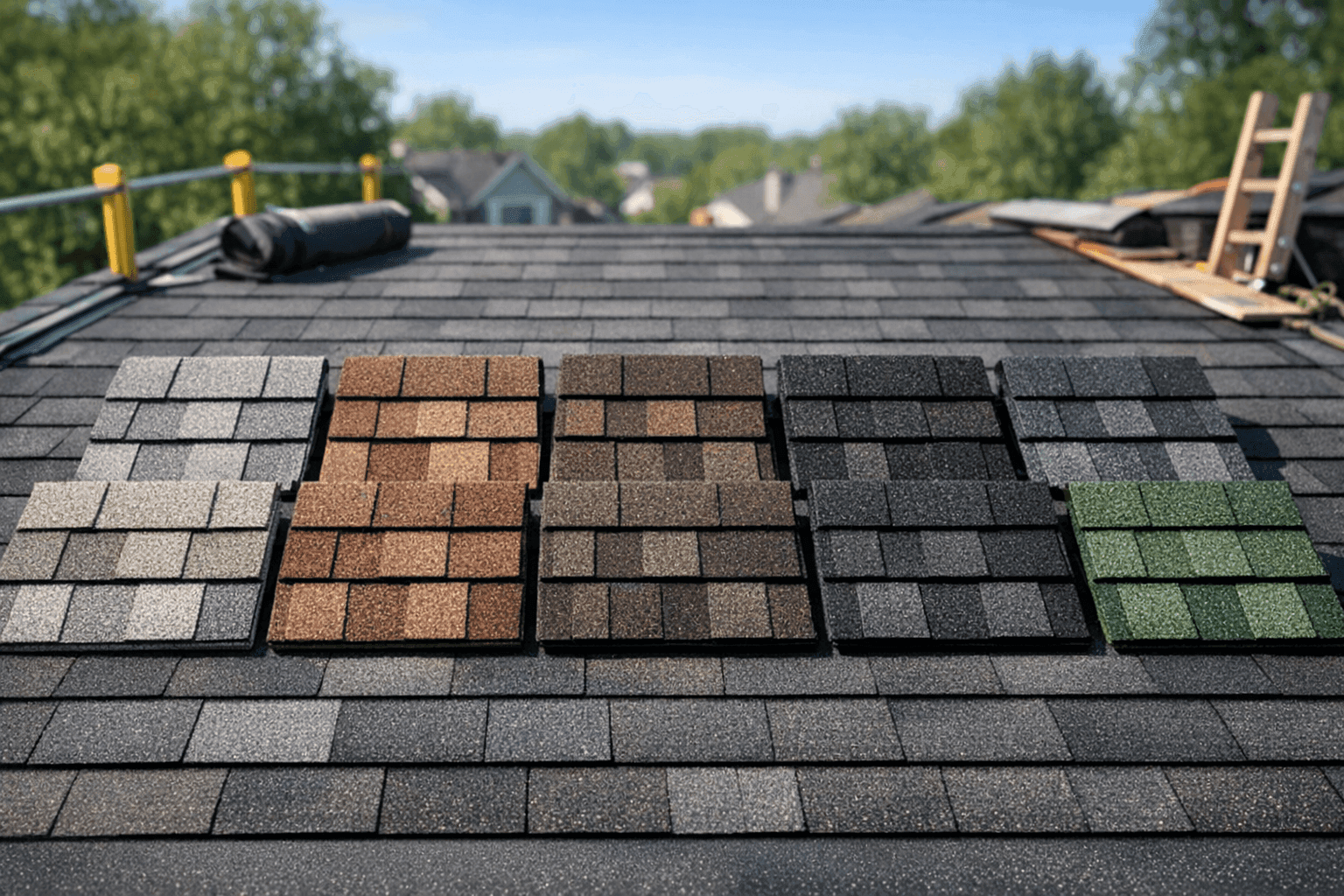
When it’s time to choose a new shingle color, the options can feel endless. It’s not just about looks—your decision affects performance, home value, and how comfortable your house feels all year long.
At Overhead Roofing, we know homeowners want a roof that stands out for all the right reasons. But color isn’t just a fashion statement. Let’s break down how to pick the best shingle color for your home, with practical tips you can trust.
How Color Affects Roof Performance 🏠
Shingle color is more than a style choice. Like wearing a black shirt in summer, darker roofs absorb more heat. Lighter shades reflect sunlight, keeping attics and upstairs rooms cooler. This impacts your comfort and your energy bill.
- Dark shingles: Good for cold climates, they help melt winter snow and ice.
- Light shingles: Best for warmer areas, they reflect sun and reduce cooling costs.
- Medium tones: Offer a balance for regions with all four seasons.
The color you choose is a part of your home’s insulation system. It works with ventilation and attic insulation to control temperature swings and moisture. According to the U.S. Department of Energy, a well-chosen and properly installed roof color can save you up to 15% on cooling costs during the hottest months.
Matching Roof Color with Home Style
Your roof covers up to 40% of your home’s visible exterior. Its color should complement your walls, trim, and landscaping. The right shade ties everything together.
- Traditional homes (Colonial, Cape Cod): Classic grays, blacks, or deep browns work well.
- Modern or contemporary houses: Try bold contrasts or monochromatic palettes with charcoal, silver, or even muted greens.
- Brick homes: Gray, black, or dark brown provide a subdued balance to the natural red or orange of brick.
- Stone exteriors: Go for warm browns or cool grays that echo the stone’s undertones.
- Stucco/painted siding: Match with a contrasting or coordinating color—think tan with brown, blue with gray.
Bring home a few sample shingles. Lay them next to your siding and step back to see the effect in daylight and shade. What looks great in the store can shift outside, so trust your eyes and instincts.
Energy Efficiency and Climate Considerations
Color isn’t just about the view from the curb. It’s about how well your roof handles the sun. In the southern U.S., lighter colors are popular for their cooling effect. Up north, darker shades may help with snowmelt but can add heat during summer.
- Sunbelt states: White, light gray, or pale tan shingles reflect heat, reducing AC use.
- Snow-prone regions: Darker shingles help with snow melt and lower heating needs.
- Mixed climates: Medium grays or weathered woods adapt to changing seasons.
Shingle technology is also evolving. Many manufacturers now offer "cool roof" options in various shades, using reflective granules regardless of base color. Check for ENERGY STAR® rated products—they meet strict energy efficiency guidelines.
Top Trends in Shingle Colors
Trends come and go, but some colors have staying power. In 2026, homeowners are leaning into:
- Soft neutrals: Grays, taupes, and weathered woods that blend with nature.
- Bold contrasts: Deep charcoal or black against crisp white siding.
- Earth tones: Greens and browns, especially for eco-friendly homes or wooded lots.
- Dimensional blends: Shingles with mixed granules for depth—a subtle way to hide dust and aging.
Remember, trends should never outweigh practical needs or your home’s style. Stick with timeless colors if you want to maximize resale value and long-term satisfaction.
Curb Appeal and Home Value
A well-chosen shingle color gives your home instant curb appeal. Real estate professionals say a roof that matches the neighborhood and architecture can boost perceived value and speed up a sale. An offbeat color might stand out—but not always in a good way.
- Stay within your HOA or neighborhood guidelines.
- Think about future buyers—will your color choice still look current in a decade?
- Neutral shades are a safe bet, but subtle blends or highlights can add character.
Local Codes and Safety Guidelines
Before you fall in love with a color, check for local regulations. Some cities or homeowners’ associations restrict certain colors or require fire-rated materials. At Overhead Roofing, we always follow International Residential Code (IRC) and manufacturer installation guides. If you’re unsure, ask your roofing contractor to clarify what’s allowed.
Avoiding Common Mistakes
Choosing a shingle color isn’t just about the here and now. Here are common pitfalls:
- Forgetting to sample in real light: Indoor showrooms can mislead your eye.
- Ignoring your home’s fixed features: Brick, stone, or trim are expensive to change.
- Chasing short-lived trends: Today’s hot color can be tomorrow’s regret.
- Not considering resale: Bright colors often limit your buyer pool.
Take your time. A roof is a 20+ year investment.
Seasonal Considerations
Think about when you’ll see your roof most: snow in winter, bright sun in summer, or fall leaves? A color that pops in one season may disappear in another. Opt for shades that look good year-round, especially if you have mature trees or strong sunlight.
DIY vs. Professional Guidance
You can browse shingle samples and paint swatches all day, but nothing replaces professional advice. An experienced roofer considers your climate, attic insulation, and even your neighborhood’s look.
Thinking about a complete upgrade? Explore our Shingle Roofing page to see what’s possible.
The Installation Timeline
Choosing a color is just step one. Ordering, delivery, and installation can take days to weeks, depending on supply and weather. Plan ahead, especially if you’re coordinating with siding, gutters, or New Roof Installation projects.
Maintenance and Longevity
Some colors hide dirt, algae, and wear better than others. Medium grays and blends are forgiving. Lighter shades may show stains from leaves or runoff, while dark shingles can fade over time. Ask your roofer about algae-resistant coatings for extra protection.
Signs It’s Time for a New Color
If your shingles are curling, missing, or stained beyond cleaning, it might be time to upgrade. Faded, patchy colors mean the roof’s protective granules are wearing thin. Don’t just match the old color—use this as an opportunity to refresh your home’s look.
Impact on Insurance and Home Safety
Some insurers offer discounts for roofs with fire-resistant or impact-resistant shingles, often available in a range of colors. While color itself doesn’t affect coverage, the right choice can support a safer, longer-lasting roof.
Your Questions, Answered
Should my roof match my gutters and downspouts?
Not exactly—coordination is key. Gutters, trim, and roof don’t have to match but should look intentional together.
Can I paint my shingles instead of replacing them?
Generally, it’s not recommended. Paint can void warranties and reduce shingle lifespan.
What if my neighborhood has all dark roofs?
Consider a subtle blend or a slightly lighter/darker shade to stand out while fitting in.
The Overhead Roofing Approach
Every home is unique, and we treat it that way. Our team helps you compare options, order samples, and make a decision you’ll love for years. For those searching for "Tile Roofing near you," or weighing options for a full Residential Roofing upgrade, we guide you at every step—without shortcuts or guesswork.
Ready to Choose Your Shingle Color?
Color isn’t just about today—it’s about how your home feels and functions for years to come. Take your time. Ask questions. And when you’re ready for a new roof that looks as good as it performs, Overhead Roofing is here to help.
Call Overhead Roofing now — or reach us anytime at 855-554-4704 .