How to Choose the Best Roofing Contractor for Your Home
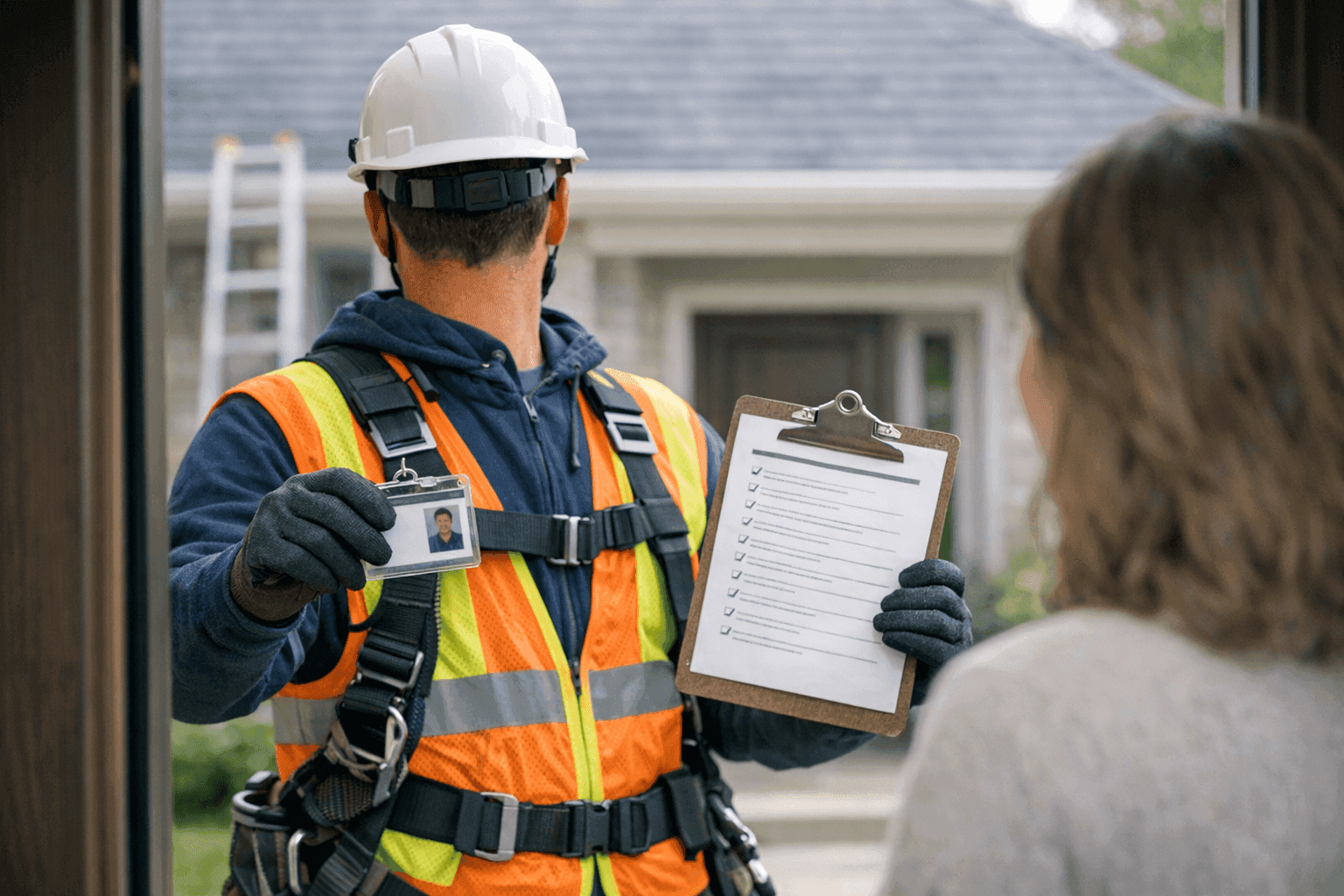
Choosing a roofing contractor can feel a lot like picking a new family doctor. You want someone you can trust, who’ll be there when you need them, and who won’t leave you worrying about your home the next time a storm rolls in. The stakes are high: your roof protects everything under it.
Whether you need quick leak repair, a whole new roof, or storm damage restoration, picking the right team matters. Here’s how to make sure you don’t get burned—or left with a mess overhead.
Why Choosing the Right Roofer Matters 🏠
Your roof is more than just shingles or tiles—it's the umbrella for your entire home. A bad installation or low-quality repair can lead to leaks, mold, expensive water damage, and headaches that last for years. With so many companies advertising “Tile Roofing near you” and “affordable roof repair,” it’s tempting to just pick the first name that pops up.
But the wrong choice can cost you much more than money. Poor workmanship and unsafe practices can put your family and property at risk. According to the National Roofing Contractors Association (NRCA), improper installation is one of the top reasons for premature roof failure. That’s why it pays to do your homework.
Vetting Credentials and Insurance
Before hiring, check the basics:
- Licensing: Make sure the contractor is licensed to work in your area. A license shows they know the local building codes and have passed basic requirements.
- Insurance: Ask for proof of both liability insurance and workers’ compensation. This protects you if someone gets hurt on your property or if something is damaged during the project.
- Certifications: Some roofers go the extra mile and get certified by major material manufacturers (like GAF or CertainTeed). This often means they’re trained to install specific products correctly and can offer enhanced warranties.
If they hesitate to provide any paperwork, that’s your cue to look elsewhere.
What to Ask Before Hiring
Before you sign anything, have a real conversation. Here are a few practical questions:
- How long have you been in business?
- Can you share references from recent jobs?
- What type of roofing do you specialize in? (For example, “Do you have experience with metal roofing or skylight installation?”)
- Who will be on-site, and how is the project supervised?
- What’s the timeline? How will you handle weather delays?
- Do you offer written estimates and contracts?
Clarity up front saves confusion later. For a full list of our residential roofing services, you can review what should be included in your project’s scope.
Red Flags to Watch For 🚩
Some warning signs are easy to spot if you know what to look for:
- High-pressure tactics: If someone tells you “this deal is only good today,” walk away.
- No physical address: A PO box or no local address can mean the company isn’t established—or could disappear after the job.
- Cash-only or upfront payments: A small deposit is normal, but be wary of large payments before work starts.
- No contract: Always get details in writing, including scope, materials, and payment terms.
- Reluctance to show credentials: If they can’t or won’t show proof of insurance or licensing, it's not worth the risk.
Safety First: What Pros Do On Arrival
Reputable contractors don’t just jump on your roof. They start with a ground-up inspection, looking for signs of trouble like missing shingles, soft decking, or clogged gutters. They use safety harnesses and follow OSHA guidelines for ladder use and fall protection.
You should expect them to:
- Set up safety zones for debris
- Protect landscaping and outdoor furniture
- Keep walkways clear for your family
This level of care is as important as the work itself.
DIY vs. Calling a Pro
Sure, some fixes look simple—maybe a lifted shingle or a clogged downspout. But roofing is like fixing a leaky boat: what you see on the surface often hides bigger issues underneath. Climbing up there yourself can also be dangerous if you’re not trained or don’t have the right safety gear.
Calling in a professional means the real problem gets found and fixed, not just covered up.
Prevention and Maintenance: An Ounce Now, Pounds Later
Good roofers don’t just put on new shingles and leave. They talk to you about:
- Gutter cleaning and downspout repair
- Checking attic ventilation and insulation
- Annual inspections to catch small problems before they grow
A little preventative maintenance goes a long way. According to the International Association of Certified Home Inspectors (InterNACHI), most roofs last longer with regular care.
Costs and Time Factors
Every roof is different. Materials, square footage, slope, and even the season can all affect price and timelines. Get at least three written estimates from contractors who have actually seen your roof in person. If one is much lower than the rest, ask why.
A clear estimate should include:
- Labor and materials
- Removal of old roofing, if needed
- Any decking or structural repairs
- Cleanup and disposal
Never let anyone start work before you agree on the details.
When It’s an Emergency
Storms don’t wait for business hours. If you spot water pouring in or see major damage after a windstorm, call for emergency services right away. Reputable companies like Overhead Roofing offer temporary tarping and quick fixes to prevent further damage until a full repair can be made.
Don’t risk waiting—water damage spreads fast.
Seasonal Considerations: Timing Your Roofing Project
Roofing work is possible year-round, but spring and summer are the busiest seasons. In colder climates, winter can slow projects, especially if there’s ice or snow. If you need a new roof installation or roof replacement, book early to avoid delays.
Tile roofing, metal roofing, and flat roofs each have their own weather considerations. Ask your contractor what’s best for your home and climate.
Common Mistakes Homeowners Make
- Skipping the research stage and hiring the first company available
- Not checking for insurance or licenses
- Focusing only on price instead of value
- Ignoring small leaks until they become big problems
Remember: your roof is a long-term investment. Take your time and choose wisely.
Signs of Trouble: When to Call a Roofing Contractor
Watch for these warning signs:
- Water stains on ceilings or walls
- Missing, curling, or cracked shingles
- Granules collecting in gutters
- Sagging roofline
- Rusted or damaged flashing around chimneys and skylights
If you spot any of these, schedule an inspection quickly. Our team can assess the situation and recommend the right roof repair or, if needed, roof replacement.
Timeline & Disruption: What to Expect
Replacing or repairing a roof can be noisy and a little disruptive, but a good contractor will keep you updated every step of the way. Most residential jobs take a few days, depending on size and weather.
Your contractor should:
- Let you know when workers will arrive and leave
- Keep tools and materials tidy
- Clean up thoroughly at the end
Materials and Equipment: Know Your Options
Not all roofs are built the same. Asphalt shingles, tile, metal, and eco-friendly options each have their pros and cons. Your contractor should walk you through the choices, explaining lifespan, maintenance, and appearance. This helps you pick what fits your home’s style, budget, and local climate.
Local Experience Counts
A contractor familiar with your area knows the typical weather patterns, common roof issues, and local building codes. For homeowners looking for a roofing company with deep experience, our team at Overhead Roofing brings years of hands-on knowledge to every project. If you’re looking for reliable roofing services in your community, experience makes a difference.
Final Checklist Before You Hire
- Check reviews and references
- Confirm insurance and licensing
- Get all details in writing
- Ask about cleanup and disposal
Choosing your roofer shouldn’t be a leap of faith—it’s a careful step toward protecting your home.
Ready to Get Started?
There’s no shortcut to peace of mind. Taking the time to choose the right roofing contractor means your home stays safe, dry, and comfortable for years to come.
Call Overhead Roofing now — or reach us anytime at 855-554-4704 .