Chimney Flashing Problems: Causes, Signs, and Fixes
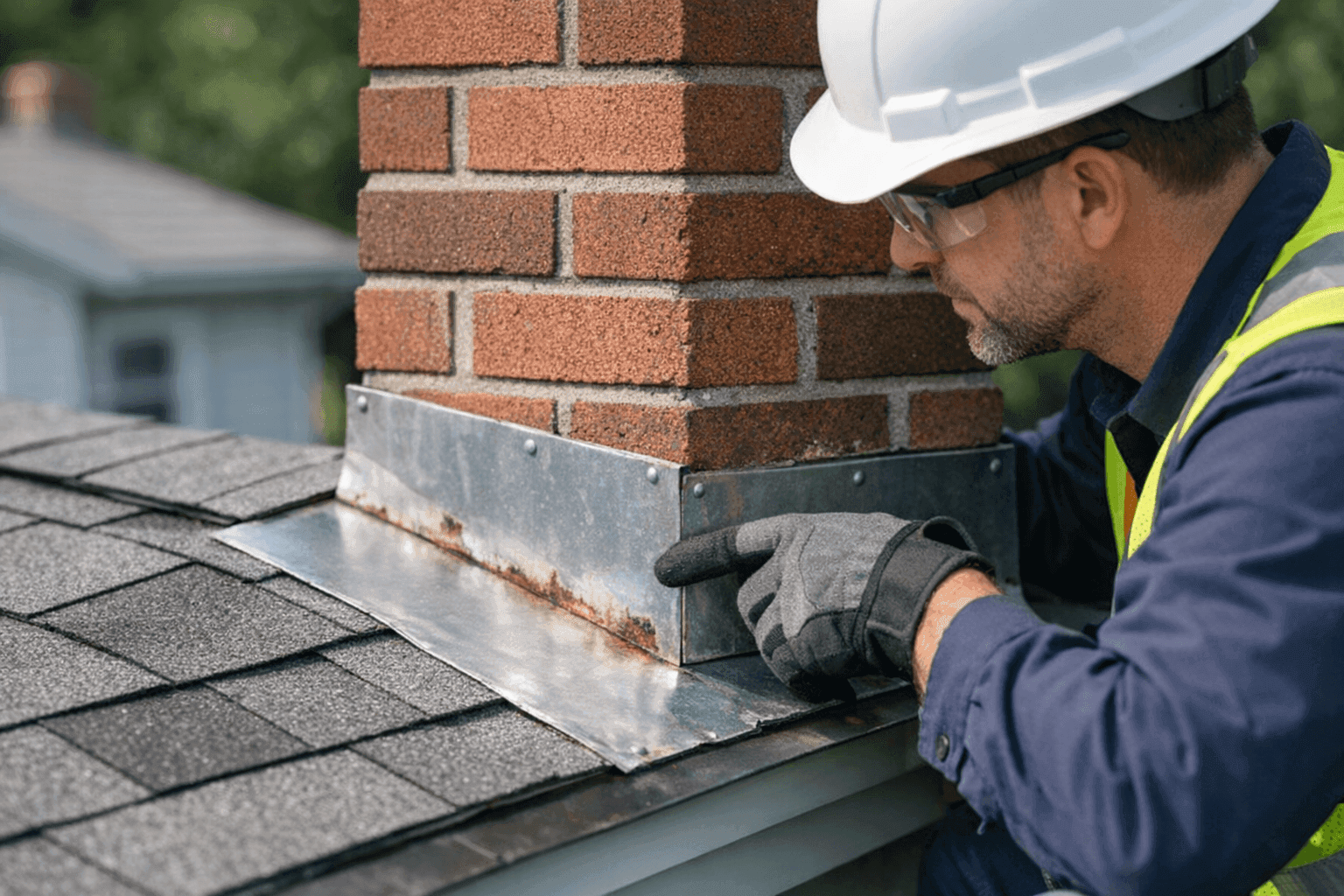
Does your living room ceiling have a suspicious brown spot? Or maybe you’ve noticed a musty smell every time it rains? If there’s a chimney poking through your roof, your flashing could be to blame. At Overhead Roofing, we see it all the time—small flashing issues can turn into big, expensive headaches if ignored.
Understanding chimney flashing isn’t just for contractors. Homeowners who know what to look for can protect their home, their wallet, and their peace of mind.
What Is Chimney Flashing? 🧱
Chimney flashing is the unsung hero where your chimney meets your roof. It’s a combination of thin metal sheets (often aluminum, galvanized steel, or copper) and waterproof sealant that creates a barrier against water. Think of it like a raincoat for the most vulnerable part of your roof.
Without flashing, water would slip right into the seam around your chimney, causing rot, mold, and even structural damage. Flashing is installed in overlapping layers—base flashing, step flashing, and counter-flashing—to redirect rainwater away from your home.
Causes of Flashing Failure: Why Does It Happen?
Chimney flashing isn’t immortal. Here’s why it fails:
- Age: Over time, even the best-installed flashing can crack, rust, or warp. Metal corrodes, and sealant dries out.
- Wild Weather: Heavy rain, snow, ice, and wind batter your roof. Expansion and contraction from temperature swings can make flashing pull away from the chimney.
- Poor Installation: If flashing isn’t installed according to building codes (like those outlined by the International Residential Code), you’re set up for trouble from the start.
- Roof Repairs or Upgrades: Sometimes, roofers cut corners when installing new roofing or skylights, damaging existing flashing in the process.
- Animals and Debris: Birds, squirrels, or falling branches can dent or loosen flashing.
Warning Signs: What Does Flashing Trouble Look Like? 👀
Spotting chimney flashing problems early can save you a fortune. Keep an eye out for:
- Water Stains: Brown stains on ceilings or walls near your chimney are classic red flags.
- Drips or Dampness: Any moisture inside your attic or around your fireplace after a storm is a big warning.
- Musty Odors: Persistent dampness encourages mold. If you notice a new, unpleasant smell, investigate.
- Rusty or Missing Flashing: Rust stains on the chimney, or visibly cracked, bent, or missing flashing.
- Crumbling Mortar: Water leaks can erode the mortar in your chimney, leading to loose bricks or stone.
If you notice any of these, it’s time to take action.
Quick Safety Checklist Before Inspection
Before you grab a ladder, remember: safety first. If you aren’t comfortable on a roof or lack the right equipment, call a professional.
- Wait for dry, calm weather
- Wear slip-resistant shoes
- Use a sturdy ladder and have a spotter if possible
- Never walk on wet or icy shingles
DIY or Call a Pro? Making the Smart Choice
Some minor flashing issues—like reapplying a bead of sealant—might be safe for an experienced DIYer. But most repairs require specialized knowledge, tools, and materials.
You should call a roofing company if:
- The flashing is rusted or missing
- You see widespread water staining or rot
- The chimney itself is damaged
- You're not confident working at heights
A professional will assess the problem and recommend lasting solutions, not just temporary fixes.
What Overhead Roofing Pros Do Upon Arrival
When you call Overhead Roofing, here’s what our team does:
- Visual Inspection: We check for visible gaps, rust, or damaged flashing.
- Water Test: Sometimes we’ll run water over the area to trace leaks.
- Check Under the Surface: We inspect attic spaces for moisture, rot, or insulation damage.
- Review Roofing Materials: We ensure the flashing is compatible with your existing shingle, metal, or tile roofing.
- Code Compliance: All repairs follow current safety and building codes.
Fixing Chimney Flashing: Step-by-Step
The right fix depends on the problem:
- Small Gaps or Minor Leaks: High-quality roofing sealant may close tiny cracks.
- Loose or Bent Flashing: Re-fastening or replacing individual pieces, then resealing.
- Severely Rusted or Missing Flashing: Full replacement—removing old flashing, prepping surfaces, installing new metal, and sealing overlaps.
- Chimney Cap Issues: Sometimes the problem is with the chimney cap, which also needs to be watertight.
If the leak has caused wood rot or mold, structural repairs might be necessary before new flashing goes in.
For details on our roof flashing repair process, check out our service page.
Prevention and Maintenance Tips
- Twice-Yearly Inspections: Spring and fall are perfect times for a roof check-up.
- Clear Gutters and Downspouts: Water backup can worsen flashing leaks.
- Trim Overhanging Branches: Protect your roof from falling debris.
- Check After Big Storms: High winds or hail can loosen flashing.
- Schedule Professional Maintenance: Annual check-ins with a roofing specialist keep small issues from growing.
Refer to the National Roofing Contractors Association (NRCA) for more roof care recommendations.
When Is It an Emergency?
If you have:
- Active leaks during heavy rain
- Sagging ceilings or bubbling paint
- Electrical outlets or fixtures affected by water
Act fast. Leaks can cause structural and fire hazards. Emergency leak repair is available, day or night.
Costs and Time Factors
- Minor Repairs: Small resealing jobs may take an hour or two.
- Full Flashing Replacement: Plan for half a day to a full day of work.
- Cost Range: Expect anything from a few hundred dollars for minor repairs to $1,000+ for complex jobs (especially if wood rot or interior damage is present).
Variables include roof pitch, chimney size, flashing material, and access difficulty.
Common Mistakes to Avoid
- Ignoring Minor Leaks: They always grow.
- Using the Wrong Materials: Not all metals mix well with certain roofing types.
- Sealing Over Rot: Never just cover up wood rot or mold—address the source.
- DIY Fixes with Tar or Caulk: These are band-aids, not solutions.
Seasonal Considerations: When to Address Flashing Issues
Spring and autumn are best for repairs—moderate weather makes for safer work. Winter leaks are urgent, though, so don’t wait if water is getting in.
Timeline and Disruption: What to Expect
Most flashing repairs are not disruptive to daily life. Our crew works outside, so you can stay comfortable indoors. Only severe leaks that require interior repairs may cause more inconvenience.
FAQ: Chimney Flashing Essentials
How long should chimney flashing last?
With quality materials and installation, flashing can last 20 years or more, but regular inspections are key.
Is flashing required by building code?
Yes. The International Residential Code mandates flashing at all roof-to-chimney intersections.
Can I reuse old flashing?
Usually not—old pieces are often bent, corroded, or improperly sized for new roofing.
What materials are best for flashing?
Aluminum and galvanized steel are common. Copper is durable and long-lasting but more expensive.
Empower Yourself: Know the Signs, Save Your Home 🏠
A little vigilance goes a long way. Learn your roof’s warning signs and don’t ignore suspicious stains or smells. When in doubt, reach out for a professional opinion—your home will thank you.
Call Overhead Roofing now — or reach us anytime at 855-554-4704 .