The Best Roof Types for Solar Panel Installation
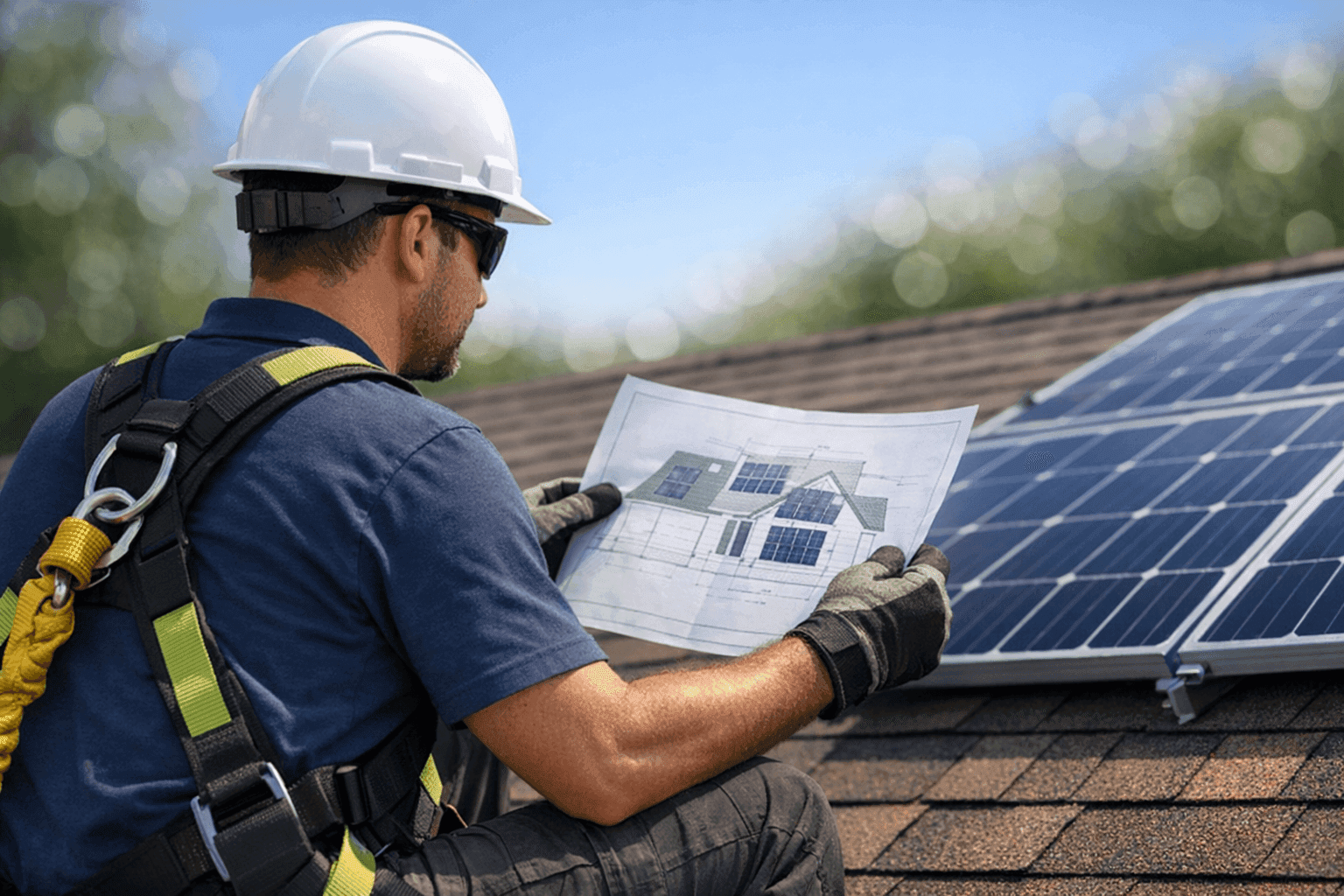
Solar panels promise greener energy and lower utility bills. But your roof is the stage for that investment—and it needs to be strong, safe, and ready for the spotlight. At Overhead Roofing, we’ve seen the difference the right roof makes. Let’s cut through the noise and give you real, practical insight for your solar journey.
It’s not just about slapping panels on top. To get the best results (and avoid headaches down the road), start with the basics: which roof types truly work well with solar panels, and how should you prepare?
What Roofs Work Best for Solar Panels? ☀️
Some roofs are like a blank canvas—ready for solar with barely a hiccup. Others? Not so much. Here’s what we see most often with residential projects:
- Asphalt Shingle Roofs: These are the “jeans and t-shirt” of roofing—popular, familiar, and straightforward to work with. Installers can attach mounting racks without much trouble, and repairs are simple if needed.
- Metal Roofs: Especially standing seam metal roofs are a dream for solar. The seams let installers clamp on racks without drilling holes, protecting your roof’s integrity. Durability is a major bonus; metal outlasts most other options.
- Tile Roofing: Tile roofs look beautiful, but installing solar requires extra care. Tiles can be fragile—think of them as fine china. It’s doable, but you want a roofer and solar installer who know the dance.
- Flat Roofs: These work, but need special racking to tilt panels for the right sun exposure. Water drainage and structural load are key concerns.
Roofs with heavy wood shakes, slate, or specialty materials can be challenging. If you have one of these, a professional inspection is a must before you commit.
Roof Material, Age, and Pitch Considerations
The material is just the beginning. Dive deeper:
- Roof Age: If your roof is nearing the end of its lifespan (say, under 10 years left), consider replacing it before installing solar. Otherwise, you might pay twice—once for solar, then again for roofing.
- Pitch (Slope): Most solar panels work best on roofs with a pitch between 15° and 40°. Too steep, and installation gets tricky. Too flat, and you might need tilt racks.
- Condition: Water damage, rot, or structural issues? Fix these first. Solar panels last 25+ years and should never outlive your roof.
- Load Capacity: Your roof must support the weight of panels, racks, and mounting hardware. A licensed roofing contractor—like Overhead Roofing—can check for you.
The National Roofing Contractors Association and the International Residential Code both stress the importance of proper load calculations and weatherproofing. Don’t skip these steps.
Preparing Your Roof for Solar
Think of prepping your roof like getting your house ready for guests. A little tidying up goes a long way.
Steps to Prepare:
- Inspection: Start with a thorough roof inspection. Look for loose shingles, cracked tiles, rust, or sagging areas.
- Repairs: Address issues before installation. Small leaks or weak spots can become big problems once panels are in place.
- Gutter Cleaning: Ensure gutters and downspouts are clear. Blocked drainage leads to water pooling and possible leaks.
- Flashing & Sealants: Check all flashing and seals. These keep water out when mounting brackets are added.
- Documentation: Gather any warranty info or records from your roofer. Solar installers may need these for their own guarantees.
Is your roof due for an upgrade? Combining eco-friendly options with solar can future-proof your investment.
Maintenance After Solar Installation
Solar panels are low-maintenance, but your roof still needs routine care.
- Annual Inspections: Schedule regular roof checks—especially after harsh weather. Panels can hide damage from view.
- Panel Cleaning: Dust, leaves, and bird droppings reduce solar efficiency. Most homeowners can rinse panels with a garden hose, but avoid harsh chemicals or high pressure.
- Sealant Checks: Around mounting points, sealants should be inspected for cracks or gaps. Water intrusion can lead to costly repairs.
- Monitor for Leaks: Watch for new stains or drips in your attic or ceilings. Address leaks fast—they rarely fix themselves.
Ask your installer about recommended maintenance intervals and methods.
Quick Safety Checklist Before You Start 🛑
A little caution goes a long way.
- Always hire a licensed roofer and a certified solar installer.
- Never walk on fragile tile or slate unless you’re trained.
- Check your local building codes and HOA rules.
- Make sure installers use approved mounting hardware.
- Don’t skip permits—inspections protect your investment.
If you’re not sure, ask. At Overhead Roofing, we believe in informed decisions.
DIY vs. Professional Installation
It’s tempting to try a “DIY solar kit.” But your roof isn’t the place for cutting corners.
- Pros: Have the right tools, insurance, and know-how. They handle permitting, structural checks, and code requirements.
- DIY Risks: Missed leaks, improper mounting, or voided warranties. Mistakes can cost more than you save.
- Recommendation: Leave roof and solar work to professionals. Your safety, roof integrity, and solar performance depend on it.
What Roofing Professionals Do On Arrival
Expect a thorough process:
- Inspect roof condition and structure.
- Identify best panel placement for sun and roof health.
- Check for existing leaks, rot, or vulnerable spots.
- Advise on repairs or upgrades (like metal roofing or shingle roofing).
- Coordinate with solar installers for mounting methods.
We act as your roof’s advocate through every step.
Prevention & Maintenance After Solar
A little prevention is worth years of peace of mind.
- Schedule yearly inspections and after major storms.
- Keep debris off roof and panels.
- Ensure gutters and downspouts stay clear.
- Watch for signs of squirrel or pest activity near panels.
Proactive care means fewer surprises—and a longer-lasting roof.
Costs & Time Factors
Budgeting for solar is more than the panels.
- Roof Prep: Repairs or upgrades can add cost, but prevent bigger bills later.
- Installation Time: Most residential solar projects take 1-3 days once roof is ready.
- Disruption: Expect some noise, foot traffic, and temporary mess. A good crew will clean up after.
- Long-Term Savings: Well-chosen materials—like metal or architectural shingles—mean fewer headaches and better solar payoff.
When It’s an Emergency
If your roof leaks or suffers storm damage after solar is installed:
- Notify both your roofing and solar company right away.
- Don’t remove panels yourself. This could void warranties or cause injury.
- Emergency roof services can temporarily protect your home until repairs are complete.
FAQ: Solar Panels and Roofing
Q: Will solar panels damage my roof?
A: Not when installed properly. In fact, panels can shield parts of your roof from sun and weather.
Q: Can I install solar on an old roof?
A: It’s not recommended. Panels often last longer than aging roofing materials.
Q: How do I know if my roof is strong enough?
A: Schedule a professional inspection. Load capacity, condition, and material all matter.
For more best practices, check resources from the U.S. Department of Energy and the National Roofing Contractors Association.
Seasonal Considerations
- Winter: Snow loads add weight. Metal roofs shed snow well; shingle roofs may need extra attention.
- Spring/Fall: Great seasons for inspections and cleaning.
- Summer: Panels work hardest. Watch for overheating or pest nesting.
Common Mistakes to Avoid
- Skipping roof inspection before solar install.
- Ignoring small leaks or loose shingles.
- Not clearing debris from gutters or panels.
- Hiring unlicensed or uninsured installers.
Signs of Trouble After Installation
- New water stains inside your home.
- Unusual noises from the attic (like animal activity).
- Panels shifting or loose mounts.
- Unexpected drops in solar production.
Act quickly if you spot any of these.
Timeline & Disruption
- Inspection & Prep: 1–2 weeks (depends on roof condition).
- Solar Install: 1–3 days.
- Cleanup & Final Check: 1 day.
Work with a company that keeps you informed at every step.
Materials & Equipment Used
- Roof racks and mounting hardware rated for your roof type.
- Weatherproof sealants and proper flashing.
- Solar panels selected for your home’s sun exposure and needs.
- Safety gear for all installers.
Ask your installer to walk you through their process.
Ready for Solar? Your Roof Comes First
Solar panels are a big step toward energy independence. But your roof is the unsung hero—protecting your home and supporting new technology for decades to come. Whether you have shingle, tile, or metal roofing, the right prep and maintenance mean lasting returns.
If you’re researching roofing services—from inspections to eco-friendly options—Overhead Roofing is here to help you make a confident choice.
Call Overhead Roofing now — or reach us anytime at 855-554-4704 .