How to Avoid Common Roofing Scams and Shoddy Workmanship
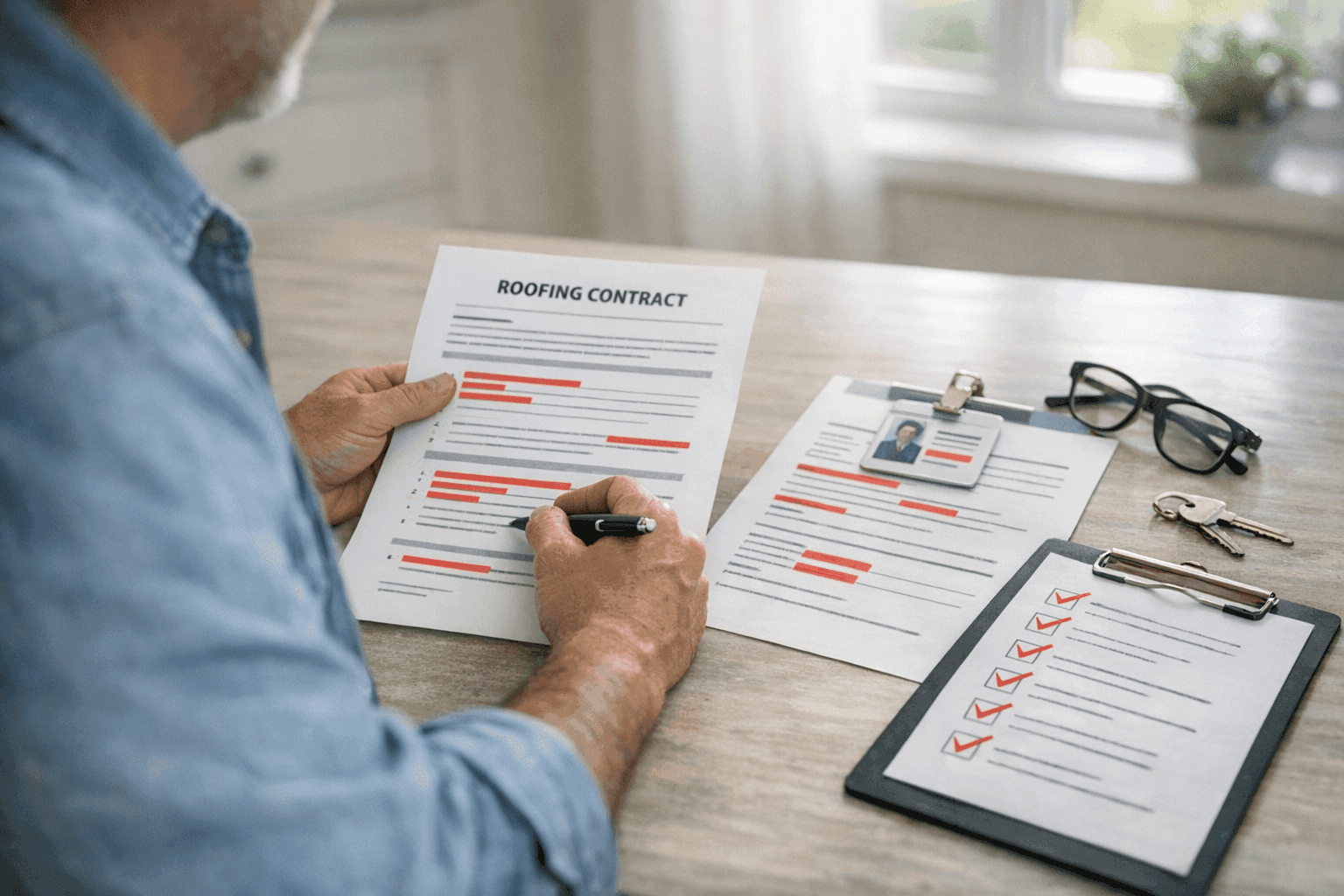
Is your roof leaking, missing shingles, or showing its age? You’re not alone. Every year, homeowners like you invest their hard-earned money in roofing—only to get stuck with poor repairs, unfinished jobs, or worse, outright scams. It’s enough to make anyone wary.
At Overhead Roofing, we get it. Your roof protects your family and everything you own. That’s why we believe in honest work, clear communication, and helping our neighbors steer clear of common pitfalls.
Common Roofing Scams and Red Flags
Roofing scams can hit faster than a summer storm. Here’s what to watch for:
- Storm Chasers: These are out-of-town contractors who show up after bad weather, promising quick fixes on the spot.
- High-Pressure Sales: If someone insists you sign today or the price “goes up,” pause. Quality roofing isn’t sold like used cars.
- Cash-Only Demands: Be wary if a contractor wants full payment upfront in cash.
- No Written Contract: Verbal agreements are risky. You should always get details in writing.
- Unlicensed or Uninsured Crews: A lack of credentials puts you at risk. If something goes wrong, you could be left holding the bag.
- Vague Estimates: Watch for estimates that lack itemized details or clear timelines.
If your gut says something’s off, pay attention. A trustworthy roofing company will answer your questions and provide everything in writing. 🕵️♂️
Why These Scams Work
Scammers prey on urgency and confusion. After a storm or sudden leak, you need help—fast. But when you’re rushed, it’s easy to overlook red flags. Scammers know this. They count on you being stressed, distracted, or simply tired of the hassle.
Some even use fake photos, “before and after” portfolios lifted from the internet, or claims of special relationships with your insurance company. The Federal Trade Commission warns that home repair scams spike after natural disasters, so always be extra cautious during those times.
How to Vet Contractors and Quotes
Finding the right roofing contractor isn’t luck—it’s a process. Here’s how to stack the odds in your favor:
- Check Licenses and Insurance: Ask for documentation, then verify it with your local building department or state licensing board.
- Review References: Request recent local references, not just old ones. Call them. Ask about timeliness, cleanup, and communication.
- Research Online: Look for reviews on neutral platforms. Don’t rely on only the testimonials contractors provide.
- Request Multiple Quotes: Get at least two or three bids. If one is much lower, ask why.
- Demand a Written Estimate: Your estimate should include materials, labor, timelines, and payment schedule.
- Ask About Safety and Code Compliance: Reputable roofers follow OSHA guidelines and local building codes. They’ll explain how they keep your home safe.
If a contractor bristles at questions or dodges details, move on. Roofers worth their salt welcome informed clients.
Getting the Work You Pay For
You deserve quality work—nothing less. Here’s how to make sure your investment is protected:
- Sign a Clear Contract: It should spell out materials, labor, start and finish dates, warranties, and payment terms.
- Track Progress: Don’t be shy about visiting the site or asking for photo updates.
- Inspect Materials: When materials are delivered, compare them to your contract. Are you getting “Tile Roofing near you” as promised, or did cheaper substitutes arrive?
- Final Walkthrough: Don’t make the last payment until you’ve inspected the work and confirmed cleanup.
Remember, a good contractor will encourage your involvement. If they try to cut corners or rush payment, that’s a red flag.
Quick Safety Checklist Before You Sign
Before you sign anything, run through these essentials:
- Is the contractor licensed and insured?
- Have you checked at least two recent references?
- Did you get a clear, written estimate?
- Are the materials and timeline spelled out?
- Does the contract have a warranty section?
- Have you verified their business address and phone number?
If you answer “no” to any of these, slow down. It’s better to miss a deal than to fall for a scam. ✅
DIY vs. Call a Pro
Some repairs—like cleaning your gutters or replacing a single shingle—can be tackled by handy homeowners. But when it comes to major repairs, leak detection, storm damage restoration, or full Roof Replacement, it’s smart to call a pro.
Professional roofers have the tools, safety training, and experience to handle hazards like steep slopes, electrical lines, and structural weaknesses. The National Roofing Contractors Association (NRCA) recommends hiring only qualified professionals for repairs or replacements.
What Pros Do On Arrival
Reliable roofers do more than glance at your roof. Here’s what you can expect:
- Full Inspection: They’ll check shingles, tiles, flashing, gutters, skylights, and attic spaces.
- Photographic Evidence: Pros document problem areas so you can see what needs fixing.
- Clear Communication: They explain options, costs, and timelines before lifting a hammer.
- Respectful Presence: No blaring radios or cigarette butts in your yard.
If your contractor rushes or skips these steps, ask why. Details matter.
Prevention & Maintenance
Routine maintenance is your best defense against both damage and scams. Regular gutter cleaning, shingle checks, and roof repair can catch small problems before they become big headaches.
Schedule seasonal inspections—especially after harsh weather. This keeps your roof in shape and helps you recognize when something’s “off” with a contractor’s assessment.
Costs & Time Factors
Every roof is unique. Costs depend on materials, pitch, and square footage. If a quote seems too good to be true, it probably is.
- Lowball Bids: Beware of unusually low quotes. These often lead to surprise charges or subpar materials.
- Speedy Timelines: A job that’s “done in a day” might mean corners are being cut. Quality takes time.
You can compare costs by checking local averages from sources like HomeAdvisor, but always prioritize quality over rock-bottom pricing.
When It’s an Emergency
Emergencies—like sudden leaks or storm damage—call for quick action but not hasty decisions. Secure the area, document the damage, and call a trusted roofing contractor. Don’t let urgency push you into the arms of an unvetted crew.
Keep emergency supplies handy: tarp, ladder, and a flashlight. But don’t risk your safety—major leaks and structural issues need professional help.
FAQ: Your Roofing Scam Questions Answered
Q: Should I pay the full amount before work starts?
A: No. A small deposit is normal, but full payment should wait until the job is done and inspected.
Q: How do I check if a roofing company is real?
A: Verify their license, insurance, and business address. Look for reviews in your area and check with organizations like the Better Business Bureau.
Q: Can insurance cover roof repairs from storm damage?
A: Often, yes. Work with your insurer directly and never allow a contractor to “handle everything” without your involvement.
Seasonal Considerations
Roofing scams often spike after storms, heavy winds, or hail. If your neighborhood just weathered a tough season, expect more solicitations. Be alert for flyers, door-to-door visits, or urgent-sounding phone calls.
Plan your maintenance in spring or fall to avoid peak hustle times and get the best attention from reliable crews.
Common Mistakes Homeowners Make
- Ignoring the Gut: If you feel uneasy, there’s probably a reason.
- Skipping the Paperwork: Always get everything in writing.
- Paying Too Much Upfront: Pay only a modest deposit before work starts.
- Letting Unverified Workers Onsite: Ask for ID and credentials.
Avoid these traps, and you’ll save yourself money and stress.
Signs of Trouble After the Job
Even after the crew leaves, problems can surface:
- Loose shingles or tiles
- Leaks or water stains
- Messy cleanup
- Unexplained charges
If you spot any of these, contact your contractor immediately. Document everything with photos.
Timeline & Disruption: What to Expect
Roofing work can be noisy and disruptive. Ask your contractor for a timeline, and plan for family or pets to be elsewhere during major repairs. Good contractors clean up daily and minimize mess.
Expect some dust, noise, and vibration—especially during roofing services for larger jobs. Communicate your concerns upfront for a smoother experience.
Materials & Equipment: Know What’s Going On Your Roof
Demand to know what’s being installed on your home. Whether you’re getting a new shingle roof, metal roofing, or “Tile Roofing near you,” get samples and specs in writing. This ensures you’re not paying for one thing and getting another.
What to Do If You Suspect a Scam
Worried you’ve been targeted by a roofing scam? Here’s what to do:
- Stop All Payments: Don’t pay another cent until you’ve sorted things out.
- Document Everything: Save contracts, correspondence, and photos.
- Contact Authorities: Report the scam to your local consumer protection office or the Federal Trade Commission.
- Seek Legal Advice: If you’ve suffered financial loss, a construction law attorney can help.
- Warn Others: Share your story with neighbors and local roofing associations. Your experience could save someone else.
Closing Thoughts: Protecting Your Home and Peace of Mind
Your roof is too important to leave to chance. By learning the warning signs, asking the right questions, and insisting on clear agreements, you shield your home—and your wallet—from shady operators.
Whether you’re booking preventative maintenance or facing an urgent repair, Overhead Roofing is here to help you navigate the process with confidence.
Call Overhead Roofing now — or reach us anytime at 855-554-4704 .